The signs septic tank needs pumping often include slow drains, gurgling toilets, sewage smells, and wastewater backups. Several affected fixtures may mean the tank has little room left. Quick action can help protect the home, drainfield, and family. Some signs can also come from indoor plumbing, so checking the cause matters.
Table of Contents
- What are the most common signs a septic tank needs pumping?
- What does sewage backing up into the house mean?
- Why are drains and toilets slowing down across the property?
- What do foul odors and unusually green grass indicate?
- Can a septic tank need pumping without obvious warning signs?
- What should you do when you notice signs of septic trouble?
- When is a septic tank problem an urgent health or safety concern?
- Frequently Asked Questions
What are the most common signs a septic tank needs pumping?
The most common warning signs are slow drains, bubbling toilets, sewage smells, and slow wastewater flow throughout the home. These signs may mean the tank has less room for new wastewater. They can also point to a blocked pipe, damaged line, or drainfield problem.
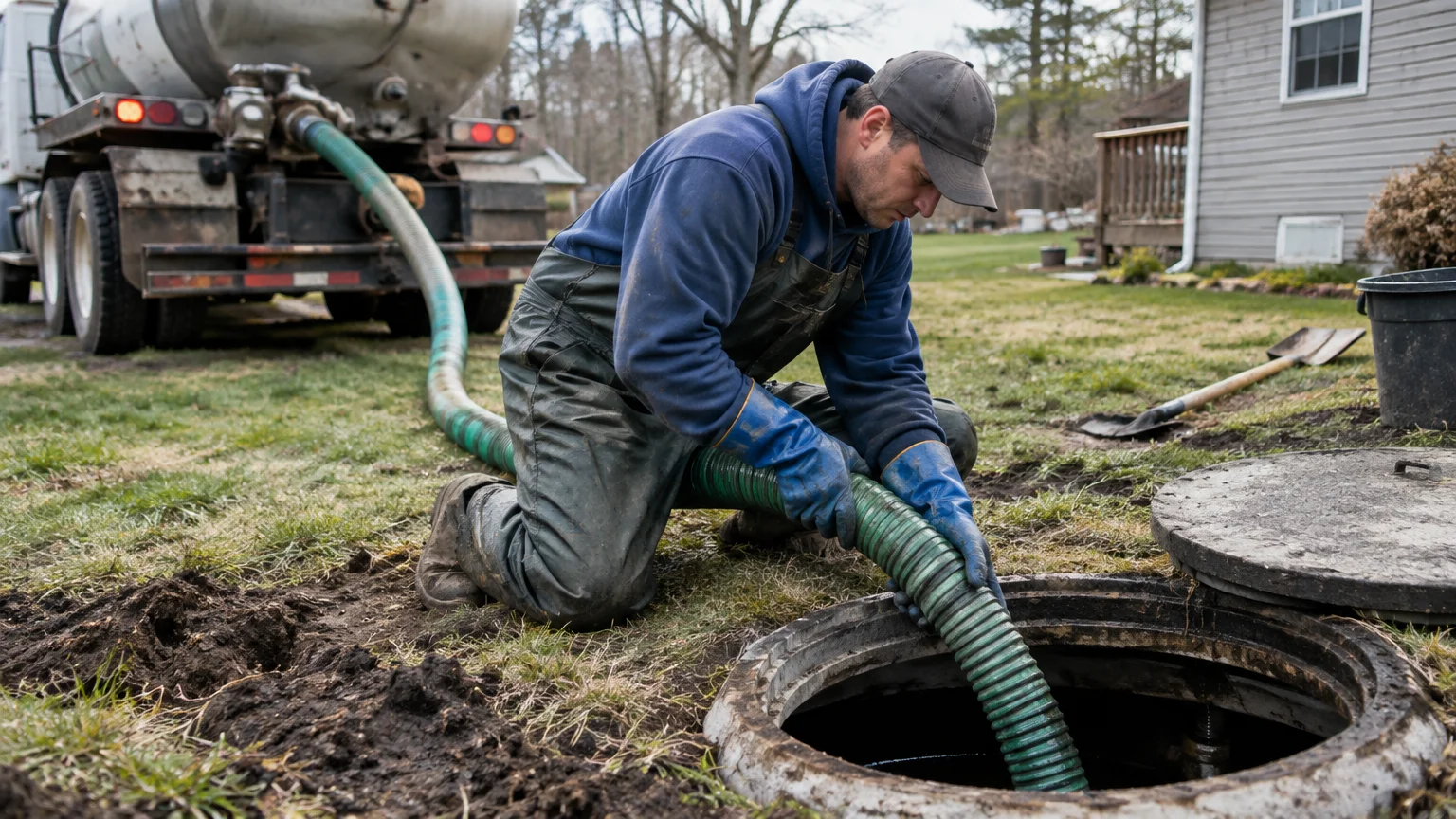
A septic tank stores wastewater from toilets, sinks, showers, laundry, and appliances. Solids sink to the bottom and form sludge. Grease and other light waste float and form a top layer called scum. Septic pumping removes these layers before they take up too much space.
You may first notice one toilet flushing slowly. A shower may also drain more slowly than before. When several fixtures change at once, the septic system is more likely involved than one sink or toilet.
Common signs include:
- Several drains slow down at the same time.
- Toilets gurgle after flushing or running the washer.
- Sewage smells appear inside or near the tank.
- Wastewater collects near the tank or drainfield.
- Grass over the drainfield grows faster or looks darker.
- Toilets or floor drains overflow with dirty water.
One sign can have more than one cause. A slow kitchen sink may have grease in its trap. One slow toilet may have a local blockage. A tank that needs pumping often affects several fixtures, especially after heavy water use.
A professional can check the tank, inlet, outlet, pump parts, and drainfield. The septic team at Septic Tank Pumping Rogers can help property owners find the cause. The problem may need septic pumping, a blocked-line repair, or more testing. Finding the cause early helps protect the rest of the system.
Why one symptom may have more than one cause
Plumbing symptoms do not always show the exact problem. A sewer smell may come from a dry drain trap, loose toilet seal, blocked vent, or septic tank issue. A careful check helps prevent work on the wrong part.
A homeowner can safely notice which fixtures are affected. They can also write down when the problem started and whether recent rain or heavy water use occurred. They do not need to open the tank or enter any part of it.
What does sewage backing up into the house mean?
Sewage backing up means wastewater cannot leave the home as it should. A full tank, blocked pipe, failed pump, or clogged drainfield may stop normal flow. Sewage can carry harmful germs, so keep children and pets away from it.
A backup may appear in a toilet, shower, bathtub, floor drain, or laundry area. If several low fixtures back up together, the blockage may be farther down the line. If the problem follows repeated water use, a full tank or drainfield issue becomes more likely.
An indoor plumbing issue often affects one fixture. A blocked toilet may overflow while nearby sinks and showers work normally. A blocked branch line may affect one bathroom but not the rest of the home.
A septic problem often affects more of the property. Toilets, showers, sinks, and laundry drains may slow down together. You may also see outdoor odors, wet soil, or wastewater near the tank or drainfield.
How to distinguish a septic problem from an indoor plumbing issue
You can make a few safe observations without opening the tank. Note which fixtures are affected, when the issue began, and whether outdoor signs are present. Never enter a septic tank or lean over an open access point.
Useful clues include:
- One fixture affected: a local clog is more likely.
- Several fixtures affected: a main line or septic issue is more likely.
- Indoor backup plus outdoor odor: prompt septic review is needed.
- Backup after laundry or bathing: the tank or drainfield may lack room.
- One slow drain without outdoor signs: an indoor fault may be likely.
If sewage enters the home, stop using water until the cause is known. Cleanup may need gloves, protective clothing, and proper sanitation. A septic worker or qualified plumber can find whether the trouble starts inside or outside the home.
Why are drains and toilets slowing down across the property?
Drains and toilets slow across a property when wastewater meets resistance in a shared line or septic system. Common causes include a full tank, blocked pipe, failed pump, or drainfield that cannot accept more water. The pattern of the signs helps narrow the cause.
A full tank is common when maintenance has been delayed. As sludge and scum fill the tank, less open space remains. Flow from the home may slow, and solids may move toward the outlet or drainfield.
A blocked line is another possible cause. Roots, broken pipe parts, grease, wipes, and other items can restrict flow. A line problem may start suddenly, while a full tank may develop more slowly. Both problems need a proper check.
A damaged drainfield is a more serious concern. The drainfield receives liquid wastewater and lets the soil filter it. If the soil is wet, packed down, clogged, or damaged, wastewater may not leave the tank as planned.
Likely causes, from common to more complex, include:
- A septic tank with too much sludge or scum.
- A blocked or damaged pipe between the home and tank.
- A failed pump or alarm in a pressure system.
- A clogged, wet, or damaged drainfield.
- A system that is too small for current household use.
- Tank damage or another major system failure.
What changes in multiple fixtures can reveal
Several slow fixtures suggest a shared issue rather than one sink clog. Write down the time, recent water use, weather, and fixtures affected. These details can help Septic Tank Pumping Rogers review the problem more clearly.
The answer may involve pumping the tank, clearing a line, repairing a pump, or testing the drainfield. Pumping cannot fix every failure. If the tank is damaged or the soil no longer accepts wastewater, the property may need a larger repair or septic tank replacement plan.
Rogers property owners should not guess at the cause. A check can show whether the problem needs routine service or emergency pumping. It can also help prevent a backup from reaching the home.
What do foul odors and unusually green grass indicate?
Foul odors and unusually green grass can mean wastewater is escaping where it should not. Odors near the tank, cleanout, or drainfield may point to a full tank, poor venting, broken pipe, or surface wastewater. Bright grass may grow where extra moisture and nutrients reach the soil.
A healthy septic system should not create a strong sewage smell in the yard. A brief smell during service may happen, but a lasting odor needs attention. Indoor odors may also come from dry traps or blocked vents, so the location matters.
Wet soil is another key clue. Standing water near the tank or drainfield may mean the soil cannot absorb more liquid. It may also point to a broken pipe, leaking tank, or wastewater rising to the surface.
Green grass alone does not prove septic failure. Rain, fertilizer, shade, and natural soil changes can also affect grass. The sign becomes more concerning when it appears with odors, soggy ground, slow drains, or a backup.
Homeowners should watch for:
- Strong sewage smells near the tank or drainfield.
- Grass much greener than nearby areas.
- Wet ground during dry weather.
- Puddles that return after drying.
- Mushy soil over buried system parts.
- Sewage or gray water on the ground.
Stay away from wet areas that may contain wastewater. Do not drive, park, or build over the drainfield. Heavy weight can pack the soil and reduce its ability to absorb liquid wastewater.
A professional check can separate normal yard changes from septic trouble. Septic Tank Pumping Rogers can help Rogers property owners learn whether the next step is pumping, repair, or drainfield testing.
Can a septic tank need pumping without obvious warning signs?
Yes, a tank can need pumping before clear signs appear. Solids build up over time, and early changes may stay hidden. Household size, water use, tank size, waste habits, and the last service date all affect the system.
A small tank serving many people may fill faster than a larger tank serving fewer people. Frequent laundry, long showers, leaking toilets, and high water use send more wastewater into the system. Guests, renters, or a growing family can also change the system’s workload.
Records can help show when the tank was last pumped. Look for service receipts, inspection reports, sale papers, or notes from a past owner. Missing records do not prove the tank is full, but they make a check more useful.
Why maintenance records and a professional inspection matter
A service worker can find the tank, check access points, measure its contents, and look for damage. The check may also cover the inlet, outlet, baffles, pump, alarm, and visible drainfield. This helps show whether pumping is enough or another problem exists.
A septic tank is not the same as a cesspool. A septic tank holds and separates wastewater. A cesspool is an older underground pit that receives waste directly. Property owners should follow local rules and confirm the system type through records or inspection papers.
Routine care does not replace pumping or repairs. You can fix leaking fixtures, spread laundry across the week, and keep harsh chemicals out of drains. These steps reduce strain, but they do not remove sludge from the tank.
A professional should review the system when records are missing, the home changes owners, water use rises, or warning signs appear. Regular maintenance can find problems before wastewater reaches the home or yard.
What should you do when you notice signs of septic trouble?
When signs of trouble appear, first reduce water use. Stop laundry, long showers, dishwashing, and other heavy use. Keep people and pets away from sewage or standing wastewater.
Do not open or enter the tank. Septic tanks can hold toxic gases and unsafe conditions. Do not add chemical cleaners, septic additives, or drain products as a quick fix. These products may harm the system or hide the real cause.
Safe steps include:
- Stop or greatly reduce water use across the property.
- Keep children, pets, and visitors away from wet areas.
- Avoid flushing toilets until the cause is checked.
- Write down which fixtures are slow or backing up.
- Check records and note the last known pumping date.
- Arrange a professional inspection or septic service visit.
Before service, gather the tank location, system records, recent symptoms, rainfall, and yard work details. Note whether the home has a pump, alarm, basement plumbing, or recent construction. These details can help the worker prepare.
What information to gather before arranging service
Give a clear description of the problem. Explain whether one fixture or the whole property is affected. Mention sewage smells, wet grass, standing water, alarms, odd sounds, or changes in household use.
Septic Tank Pumping Rogers can help property owners know which details matter. The goal is to protect the home, limit contact with wastewater, and find the source quickly.
If a backup has occurred, follow local guidance for cleanup. Contaminated items may need special handling. Anyone worried about contact with sewage should ask a medical professional for advice.
When is a septic tank problem an urgent health or safety concern?
A septic problem is urgent when sewage enters the home, reaches the ground, threatens water, or creates a contact risk. Strong odors need attention, but visible sewage, a large backup, or a failed pump alarm needs prompt help.
Act quickly when wastewater appears near a well, ditch, stream, play area, or public path. Keep away from the area and stop children and pets from entering. Surface wastewater may contain germs that spread through contact, mud, or tracked material.
A basement backup can create extra danger. Water may reach outlets, appliances, or heating equipment. Do not enter standing water when electrical hazards may exist. Seek qualified help and follow safety guidance.
Urgent help is also wise after a sudden change. A loud pump alarm, damaged tank lid, sinkhole, or soil collapse can signal danger. Never stand on a tank lid or try to move it.
Key takeaways
- Several slow fixtures may point to a shared septic or main-line issue.
- Backups, odors, wet soil, and bright grass can signal septic trouble.
- A tank may need pumping before obvious warning signs appear.
- Reducing water use is a safe first step while help is arranged.
- Avoid sewage, open tanks, and damaged system areas.
Conclusion
The signs septic tank needs pumping may begin quietly, but they should not be ignored. Slow drains, gurgling toilets, odors, green grass, and backups may point to a full tank or another failure. A timely check can separate a pumping need from a blocked line, failed pump, or damaged drainfield.
Contact us to arrange help from Septic Tank Pumping Rogers. The team serves Rogers and nearby areas, including Downtown Rogers, Bentonville, Lowell, Cave Springs, Pea Ridge, and surrounding communities. The service team can review the warning signs and explain the next safe step.