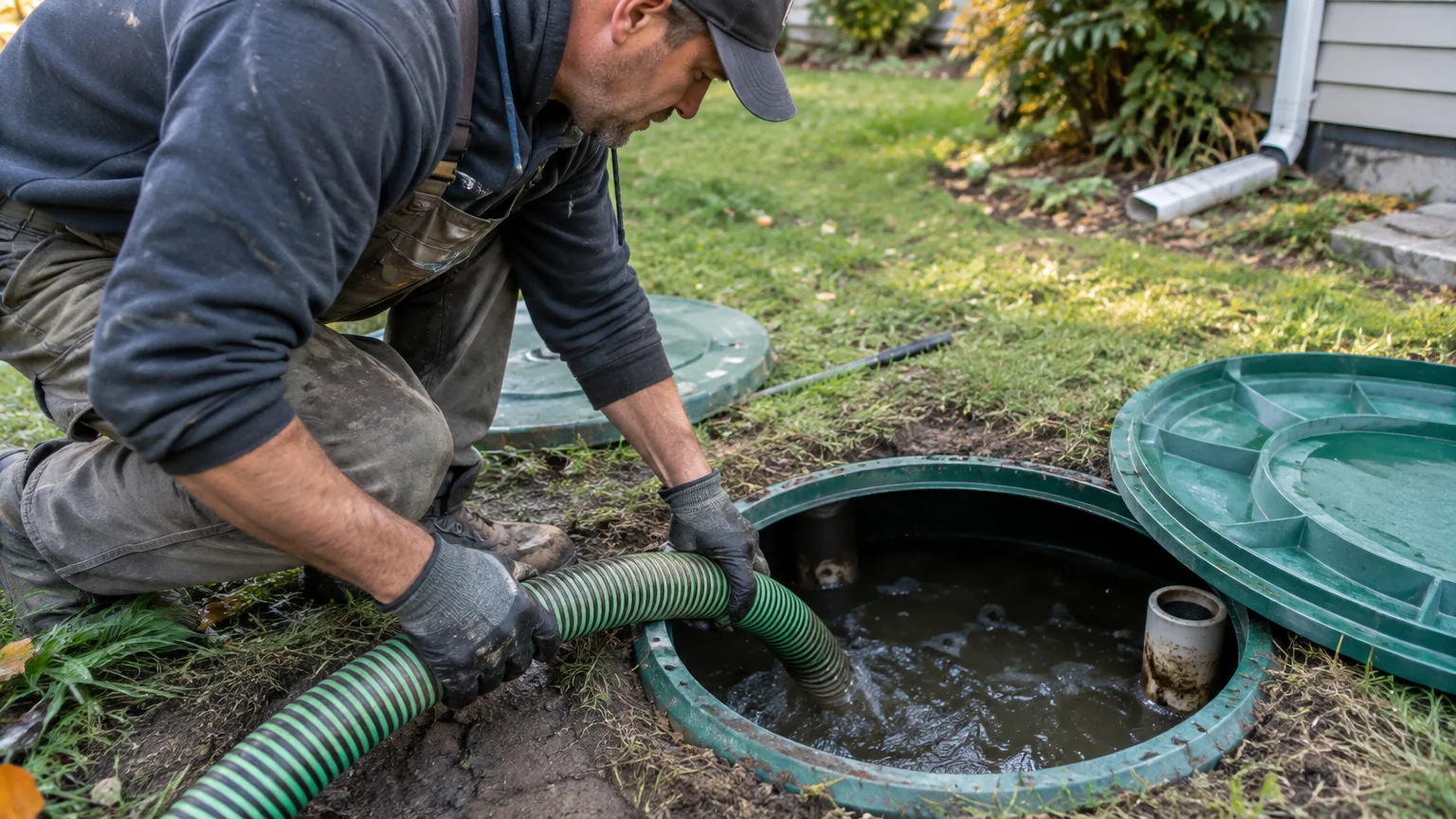
A septic tank full water problem does not always mean the tank is failing. Septic tanks normally hold liquid wastewater, but a high level may show a blocked outlet, full tank, failed pump, or wet drain field. Reduce water use and arrange a professional check before sewage backs up.
Table of Contents
- What does it mean when a septic tank is full of water?
- Why is my septic tank full of water?
- Can a full septic tank cause water to back up?
- What are the signs that a septic tank is too full?
- How can you tell whether the problem is the tank or the drain field?
- What should you do right now if your septic tank is full of water?
- When is a full septic tank an emergency?
- How is a water-filled septic tank inspected and pumped?
- How much does it cost to pump a full septic tank?
- How can you prevent a septic tank from becoming too full?
- Frequently Asked Questions
- Key takeaways
- Conclusion
What does it mean when a septic tank is full of water?
A septic tank should contain liquid. Wastewater enters from the home, solids settle, and liquid moves toward the drain field. The tank is not meant to stay empty. Trouble starts when the liquid sits higher than normal or reaches the inlet pipe.
A septic tank full water issue means liquid may not be leaving fast enough. A trained worker checks the level against the inlet and outlet pipes. Recent water use, the tank condition, and the drain field can all explain the high level.
Normal liquid levels versus an abnormal water level
A working tank usually holds liquid below the inlet pipe. Wastewater enters from the home, and treated liquid leaves through the outlet. Many outlets have a filter that helps keep solids out of the drain field. A blocked filter can make water stay high.
The tank may also look full after heavy use. Guests, laundry, long showers, and many dishes add water quickly. The level should fall when the system works well. A high level that stays high needs attention.
How the tank level relates to wastewater flow
Every gallon sent down a drain must move through the system. When the outlet, pipe, pump, or soil cannot take that flow, water stays in the tank. A full tank does not always mean the tank itself is broken. The trouble may be farther along the system.
Septic Tank Pumping Rogers helps Rogers property owners learn what the level means. A professional should open and check the tank safely. Never enter a tank or lean over an open access point. Dangerous gases can collect inside.
Why is my septic tank full of water?
The most common reason is a tank that needs septic pumping. Other causes include a blocked outlet filter, damaged pipe, failed pump, or drain field that cannot take wastewater. Heavy rain and high water use may also raise the level for a short time.
A technician checks the tank, pipes, baffles, filter, pump, and drain field. This step matters because pumping removes stored solids, but it cannot fix a failed pump. It also cannot make damaged soil accept water again.
Most likely causes ranked by probability
- The tank needs pumping: Solids build up over time and leave less room for liquid. This is often the first cause checked.
- The outlet filter is blocked: A dirty filter can slow or stop liquid from leaving. It may need safe cleaning or replacement.
- A pipe is blocked or damaged: Roots, grease, crushed pipe, or settled soil can stop flow.
- The drain field is saturated: Wet soil may accept very little wastewater. A failing field may stay slow after dry weather returns.
- A pump or control has failed: Pump systems need power, working floats, and sound controls. A failed part can stop discharge.
- The tank or baffle is damaged: Cracks, moved parts, or poor past work can change water flow.
How recent weather and household use affect the tank
Rain can enter through a damaged lid, loose riser, or cracked tank. Groundwater can also enter through breaks in the tank or pipes. When the yard is wet, the drain field may have less room for household wastewater.
Pause extra water use while the cause is checked. Spreading laundry over later days may reduce strain, but it will not clear a blockage. Rogers homes can have different soil, weather, and system designs, so the inspection should guide the next step.
Can a full septic tank cause water to back up?
Yes. A high tank level can lead to slow drains, sewage inside the home, or wet ground near the drain field. The first backup may appear in the lowest plumbing fixture. It may also happen when several fixtures run together.
Wastewater can carry germs and harmful waste. Do not touch it without proper protection. Keep children and pets away from sewage, wet drain-field soil, and open tank access points.
Where wastewater backs up first
The lowest drain often shows trouble first. This may be a basement drain, shower, toilet, or utility sink. Toilets may gurgle, and drains may empty slowly. Sewage smells may come from fixtures or the tank area.
A backup can happen inside even when the yard looks dry. A blockage between the home and tank may stop wastewater before it reaches the tank. A professional checks both the building sewer and septic system before choosing a repair.
What sewage backups can damage inside a property
Sewage can soak floors, drywall, insulation, furniture, and stored items. It can leave odors after the water is gone. Soft materials may need special cleaning or removal. Wet electrical items create another safety risk.
Do not use affected fixtures. Keep people and animals away from the area. Cleanup should follow local health advice and use proper safety gear. Septic service may solve the tank issue, but indoor cleanup may need a separate qualified service.
What are the signs that a septic tank is too full?
Common signs include slow drains, gurgling pipes, sewage smells, and water rising from a low fixture. Outside, a wet patch, strong odor, or bright green strip over the drain field may signal trouble. One sign does not prove the tank is full, but several signs need prompt attention.
Some warnings appear slowly. Others happen during a shower, laundry cycle, or heavy rain. Note when the trouble starts. This can help a technician find the cause sooner.
Indoor warning signs
Watch for these changes inside the property:
- Toilets bubble or flush more slowly than normal.
- Sinks, tubs, or showers drain slowly in several rooms.
- A sewage smell comes from drains or plumbing fixtures.
- Wastewater appears in a floor drain or low shower.
- Drains gurgle when another fixture runs.
- Problems return soon after a drain is cleared.
A single clogged sink may have a local plumbing cause. Trouble in many fixtures points more strongly to a building sewer or septic issue. Chemical drain cleaners may harm pipes, people, or septic biology. They are not a safe answer to repeated backups.
Yard and drain-field warning signs
Look for standing water, wet soil, sewage odors, or bright green grass over part of the drain field. These signs may mean the soil receives more liquid than it can absorb. They can also point to a broken pipe or surface water entering the system.
Do not drive, park, build, or place heavy items over the drain field. Compacted soil has less space for water movement. Keep pets away from wet areas until the system is checked.
How can you tell whether the problem is the tank or the drain field?
A professional separates tank trouble from drain-field trouble by checking liquid levels, flow, filters, pipes, soil, and system parts. A tank full of solids may improve after pumping. A drain field that stays wet may need a larger repair plan.
Homeowners can note signs, but they should not dig into the field. Do not open buried parts without guidance. Drain fields can be large, and digging in the wrong place may damage pipes or create danger.
Clues that point to a full or blocked tank
A tank that needs pumping often has a high solids layer. Sludge may cover the outlet filter. Wastewater may flow from the home but stop at the tank outlet. In these cases, pumping and filter service may restore normal flow.
A technician may also check the inlet baffle. This part directs incoming wastewater and helps keep scum away from the outlet. A missing or damaged baffle can cause trouble even after the tank is pumped.
Clues that point to a saturated or failing drain field
A slow drain field may show wet ground, odors, or sewage over the field. The tank may become full again soon after pumping. Flow may worsen after storms or during high groundwater.
A drain field spreads treated liquid into soil for final treatment. Its work depends on soil, design, use, and care. Pumping removes solids, but it does not rebuild damaged soil or replace failed parts.
What should you do right now if your septic tank is full of water?
First, reduce water entering the system. Stop laundry, long showers, dishwashing, and other extra use. Do not flush toilets unless needed. Then arrange an inspection and share recent weather, signs, and past service details.
A homeowner can check simple signs, such as a wet yard or slow fixture. Homeowners should not remove a heavy lid, climb into a tank, or probe buried pipes. Septic tanks contain gases that can overcome a person without warning.
Immediate steps to reduce backup risk
- Stop using water for nonessential tasks.
- Keep children and pets away from wet ground or sewage.
- Turn off a septic pump only when a qualified worker gives instructions.
- Mark unsafe areas without walking through them.
- Write down symptoms, weather changes, and recent water use.
- Contact a qualified septic professional for an inspection and pumping review.
If wastewater enters the home, avoid contact. Keep electrical equipment away from water. Open windows only when safe. Follow local cleanup advice, especially when sewage reaches living areas.
What to avoid until the system is inspected
Do not add septic additives as a quick fix. Do not pour bleach, solvents, grease, or harsh cleaners into drains. Do not cover a wet drain field with soil or dig for a blocked pipe. These actions can hide signs, spread waste, or cause more damage.
Septic Tank Pumping Rogers can explain safe water-use changes while a Rogers property waits for service. The right action depends on the cause. It may be pumping, a blockage, a pump problem, or the drain field.
When is a full septic tank an emergency?
A full tank becomes urgent when sewage backs up, reaches the ground, or threatens the home. It is also urgent when a pump alarm sounds, the drain field floods, or people and pets may touch wastewater. Fast help can limit damage and health risks.
A small odor with no backup still needs attention. It may not need the same response as sewage inside the property. When unsure, stop water use and ask a qualified professional how soon service is needed.
Situations that require urgent professional help
Seek urgent help when any of these conditions happen:
- Sewage rises from a toilet, shower, floor drain, or cleanout.
- Wastewater appears near the tank or drain field.
- A high-water or pump alarm stays on.
- Several fixtures stop draining at once.
- The tank lid is broken, loose, or exposed.
- A child, pet, or adult touches sewage.
The technician may need to pump the tank, clear a blockage, repair a pump, or stop active discharge. The first visit may find the cause. A larger repair may need more testing.
How to protect people, pets, and the property
Keep everyone away from wastewater and open tank areas. Close doors or block access to affected rooms. Do not touch sewage with bare hands. Wash exposed skin with soap and clean water, and seek medical advice after major contact.
If the property has a backup, document affected areas without spreading waste. A qualified cleanup provider can advise on damaged materials. Septic service and indoor restoration are related but separate jobs.
How is a water-filled septic tank inspected and pumped?
A professional first locates the tank, checks access, and reviews the signs. The inspection may check liquid levels, sludge depth, scum depth, baffles, the effluent filter, and signs of groundwater. The technician then decides if pumping is needed.
Pumping removes settled solids and floating scum. It does not remove the need for inspection. A tank can be empty after pumping and still have a broken pipe, failed pump, damaged baffle, or drain-field problem.
What a professional checks before pumping
The technician checks whether wastewater enters the tank and whether it can leave. They may inspect the line from the house, outlet filter, pump chamber, alarms, and visible tank surfaces. They also look for unsafe lids, roots, cracks, and strange water flow.
Tank size and system design matter. Some properties have gravity systems. Others use pumps or separate chambers. The service plan should fit the system instead of treating every tank the same.
Why pumping alone may not solve the problem
Pumping can help when solids fill too much of the tank. It cannot fix a saturated drain field, crushed pipe, or failed pump. If the tank fills again soon after service, report that change.
A professional may suggest filter cleaning, pipe repair, an electrical check, or a drain-field review. The final cost depends on tank size, access, parts, damage, urgency, and work needed. The provider should confirm the cost on a quote before extra work starts.
How much does it cost to pump a full septic tank?
The final cost depends on the work required, so an inspection and quote are needed. A routine pump-out is usually simpler than work involving blocked pipes, poor access, pump parts, or a damaged drain field. Emergency pumping may need different equipment or timing.
Ask what the visit includes and which repairs are separate. Tank size, location, access, waste level, travel distance, and system type can all affect the final amount. The provider should explain the work in plain language.
What affects the overall cost
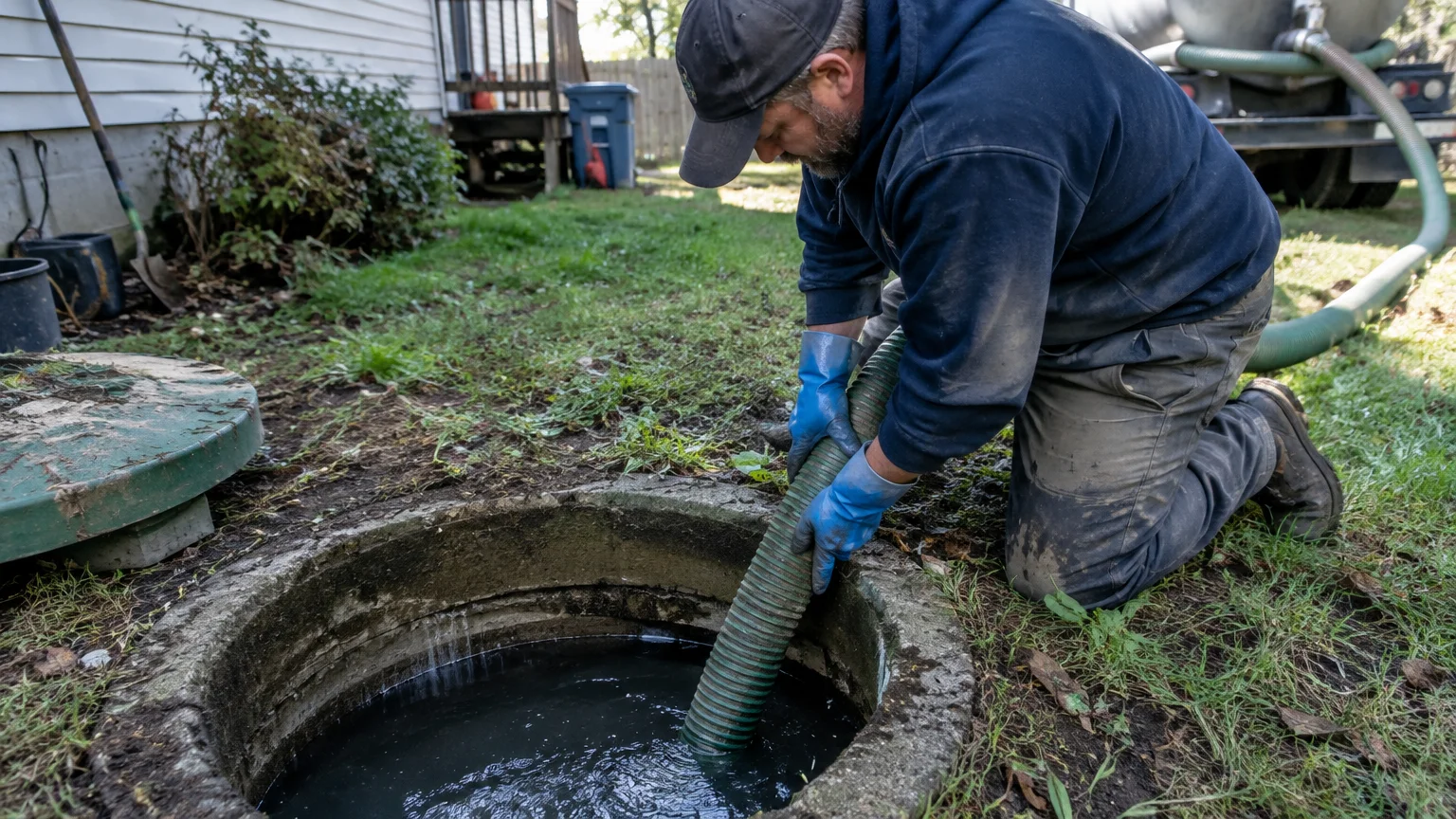
Important factors may include:
- Tank size and the material that must be removed.
- Distance from the service vehicle to the access point.
- Buried, narrow, damaged, or hard-to-open covers.
- Blocked filters, pipes, baffles, pumps, or controls.
- Wet ground, poor access, or other site conditions.
- Whether the issue is routine, urgent, or part of a larger repair.
A quote should explain the recommended work in plain words. Do not assume a pump-out includes drain-field repair, plumbing repair, cleanup, or replacement parts.
How pumping compares with repairs or drain-field work
Pumping is often a smaller job than replacing a failed pump, repairing damaged piping, or rebuilding a drain field. Drain-field work may involve testing, digging, soil limits, and system design. A failing system may need several steps instead of one visit.
Septic Tank Pumping Rogers helps property owners in the main Rogers area, including Downtown Rogers, Bentonville, Lowell, Cave Springs, Pea Ridge, and nearby communities. The provider should confirm the final cost on a quote before added repair work is approved.
How can you prevent a septic tank from becoming too full?
Regular inspections and pump-outs help stop too many solids from building up. The right schedule depends on tank size, household size, wastewater use, and solids entering the tank. A technician can help set a useful reminder.
Good water habits also protect the system. Spread laundry over several days and repair leaking toilets. Keep grease, wipes, and harsh chemicals out of drains. Only human waste and toilet paper should go into a toilet.
Maintenance and water-use habits that help
- Keep records of inspections, pumping, repairs, and alarm tests.
- Fix dripping faucets and running toilets quickly.
- Use laundry loads that fit the system’s capacity.
- Keep grease, paint, solvents, wipes, and medicine out of drains.
- Protect the tank and drain field from vehicles and heavy buildings.
- Keep roof water and sump discharge away from the drain field.
- Keep access covers secure and easy to find.
A septic tank is a buried container that separates solids from liquid wastewater. A septic system includes the tank, pipes, treatment parts, and drain field. Knowing this difference helps owners understand why pumping may not fix every problem.
When to schedule the next inspection or pump-out
Schedule service before backup signs appear. New owners should learn the system location, design, records, and last service date. A home buyer may also need a septic inspection during the purchase process. A perc test checks how quickly soil absorbs water and is usually arranged through local health or environmental offices.
The tank depth and distance from the house vary by property and local rules. A professional can locate the tank and explain safe access. Septic Tank Pumping Rogers serves Rogers and helps owners plan maintenance based on system condition.
Frequently Asked Questions
What is a septic tank?
A septic tank is a buried container that receives wastewater from a property. Solids settle, lighter material floats, and liquid leaves through an outlet. The tank needs regular inspection and pumping because solids do not disappear. The tank is only one part of the whole septic system.
How deep should a septic tank be?
There is no single depth for every septic tank. Depth depends on tank design, soil, slope, local rules, and pipe layout. Some tanks have risers that bring access closer to the ground. A professional should locate and open the tank safely instead of guessing.
How far does a septic tank need to be from a house?
The required distance depends on local health rules, lot conditions, soil, wells, property lines, and system design. The tank and drain field may sit at different distances from the home. Check local rules before installing or moving a system.
Who performs a perc test?
A perc test is usually arranged through a local health office, environmental office, licensed soil worker, or septic designer. The process varies by location. The test shows how soil may absorb wastewater, but it does not replace a tank inspection.
How do you spell cesspool?
The standard spelling is cesspool. A cesspool is not the same as a modern septic system. It usually means a pit that receives wastewater with little treatment. Local records may use the term differently, so check the approved system type.
Key takeaways
- A septic tank should hold liquid, but a high level can signal trouble.
- Common causes include pumping needs, blocked filters, pipes, pumps, and wet soil.
- Stop extra water use when backup signs appear.
- Never enter a tank or handle sewage without proper safety steps.
- Pumping may not fix a blocked pipe, failed pump, or damaged drain field.
Conclusion
A high septic tank level should not be ignored. It may show normal wastewater, but it can also warn of a blocked outlet, full tank, failed pump, or drain-field issue. Reducing water use helps lower backup risk while the system is checked.
A careful inspection gives the property owner a clear plan. It can show whether the next step is septic pumping, filter service, a plumbing repair, or a larger system review. Contact us to arrange septic tank help for your property.