Ridx septic tank treatment is sold as a product that may help septic bacteria break down some waste. It cannot remove all sludge, repair pipes, or replace septic pumping. Rogers homeowners should read the current label, watch for warning signs, and rely on inspection, careful water use, and regular maintenance first.
Table of Contents
- What Is Ridx Septic Tank Treatment Supposed to Do?
- Does Ridx Break Down Septic Tank Solids?
- Can Ridx Improve Septic Tank Bacteria?
- Does Ridx Prevent Septic Tank Pumping?
- Can Ridx Fix a Slow Drain or Septic Backup?
- Is Ridx Safe for Septic Tanks and Drainfields?
- What Is a Safer Alternative to Septic Additives?
- What Should You Never Flush Into a Septic System?
- How Often Should a Septic Tank Be Inspected and Pumped?
- What Is the Final Verdict on Ridx Septic Tank Treatment?
- Frequently Asked Questions
What Is Ridx Septic Tank Treatment Supposed to Do?
Before using ridx septic tank treatment, read the current package label. The label may list enzymes, bacteria, or other ingredients. It may say that these ingredients help break down waste. Directions and product claims can change, so the package is the best place to check current information.
What claims are commonly made about septic treatments?
Septic additives often claim to digest paper, fats, oils, and other waste. Some products also say they support the tank’s natural bacteria. These claims may sound helpful, but they do not mean the product removes every solid in the tank.
A septic system already has a natural cleaning process. Wastewater flows into the tank. Heavy solids sink, and grease floats near the top. Bacteria break down part of the waste. Some material still remains and must be removed through proper care.
Who may be considering this product and why?
A homeowner may search for Ridx after buying a house or noticing a slow drain. They may also learn that the tank has not been serviced for a long time. Tenants, investors, and business owners may hope an additive can prevent trouble in an older system.
That concern is easy to understand. A septic tank is underground, so its condition is hard to judge from inside the home. A product cannot replace a record check, inspection, or septic tank pumping. Septic Tank Pumping Rogers helps property owners understand which maintenance step may fit the system.
Does Ridx Break Down Septic Tank Solids?
Biological action may break down some wastewater parts. It does not remove every septic tank solid. Heavy sludge settles at the bottom, while scum floats at the top. Both layers grow with use and must be checked and removed when they become too deep.
What happens to solids, scum, and wastewater in the tank?
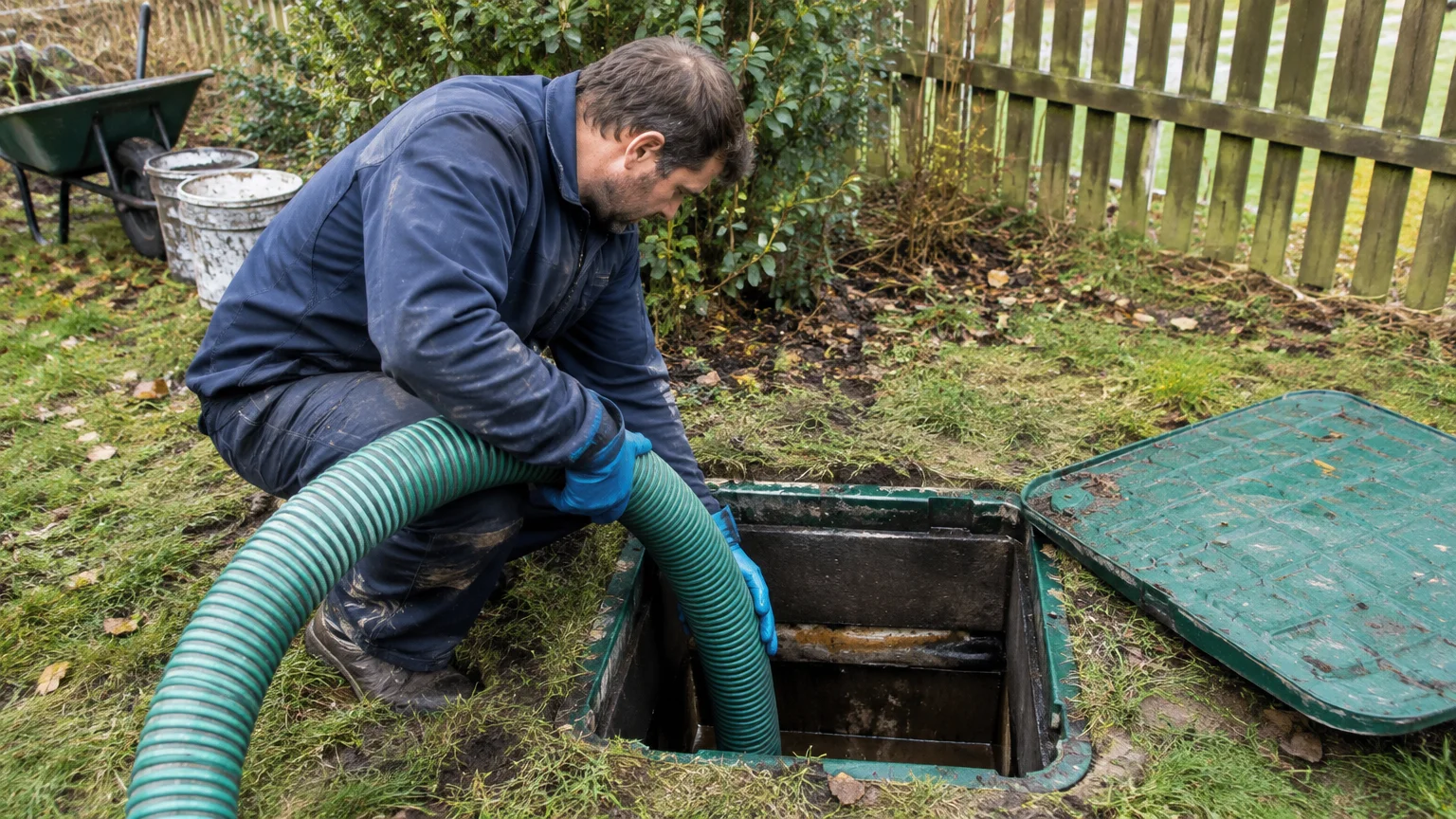
A septic tank is a sealed container. It holds wastewater long enough for the parts to separate. Toilets, sinks, showers, and washing machines send wastewater into the tank. Heavy matter sinks and becomes sludge. Grease and light matter rise and form scum.
The middle liquid layer leaves through the outlet and moves to the drainfield. The drainfield is the soil area that receives this liquid. Soil helps filter the liquid before it moves deeper into the ground.
If sludge or scum reaches the drainfield, it can block spaces in the soil. This can make it harder for the soil to absorb wastewater. Ridx may affect some organic matter, but breaking down part of the waste does not remove the full sludge layer.
It also cannot repair soil that is already blocked. A change in odor or the look of wastewater does not prove that the system is healthy. The tank still needs proper checks.
Why does biological activity not replace pumping?
Natural bacteria can break down some waste. They do not make every solid disappear. Hair, grit, minerals, plastic, and other items can stay in the tank. Some waste breaks down slowly and builds up faster than the tank can process it.
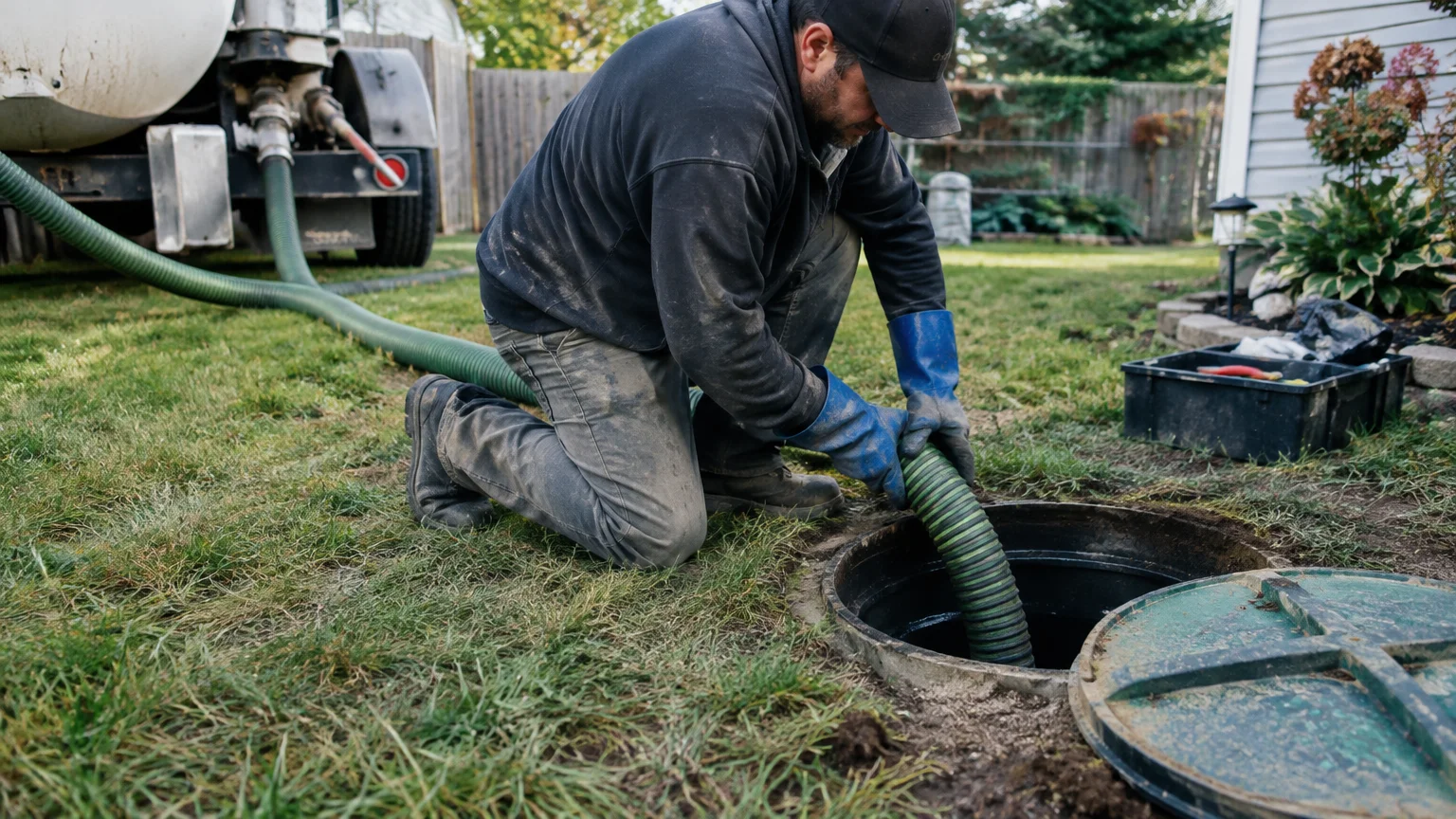
Pumping removes the material that bacteria cannot handle. It also gives a trained worker a chance to check the tank. The worker may find cracks, damaged parts, unusual liquid levels, or signs of drainfield trouble. This direct service is very different from adding a product to the toilet.
Can Ridx Improve Septic Tank Bacteria?
A healthy septic tank usually has its own group of helpful microbes. These tiny living things arrive with normal household wastewater. They work as the tank conditions allow. Adding a treatment does not promise better treatment, faster flow, or a longer system life.
How does a healthy septic tank ecosystem work?
The septic tank ecosystem is the mix of microbes, wastewater, solids, temperature, and air conditions in the tank. Most of the tank has little oxygen. This means different bacteria work there than in open air.
These organisms break down some waste as it moves through the system. The tank works best when it receives normal household wastewater. It also needs waste that belongs in a toilet or drain.
Large changes in the tank can upset this balance. Strong disinfectants, solvents, and other harsh liquids may harm useful bacteria. This is more likely when a large amount enters the tank at one time.
A bacteria product may not be needed in a normally used tank. Its results may also change with tank temperature, waste levels, and existing bacteria. The label should not be treated as proof that the product can solve a certain septic problem.
What household habits can disrupt natural bacteria?
Daily habits matter more than many owners think. A leaking toilet, a large laundry load, or heavy water use can send too much water into the system. Extra flow may move solids toward the drainfield before they have time to settle.
Harsh cleaners, paint, fuel, drain openers, and solvents can also cause harm. Small normal amounts of common cleaners may pass through the system. Large or repeated discharges are not a safe choice.
Homeowners should follow product labels. Harmful liquids should stay out of sinks and toilets. These simple steps often help more than adding a treatment product.
Does Ridx Prevent Septic Tank Pumping?
Ridx does not reliably prevent septic pumping. An additive may affect some waste, but sludge and scum still collect. Pumping remains the reliable way to remove material that could leave the tank and harm the drainfield.
Why do sludge and scum continue to accumulate?
Some household waste does not fully break down. Solids may include grit, fibers, food waste, and other matter that settles in the tank. Grease and fats can also collect in the scum layer. As these layers grow, less room remains for wastewater.
The tank outlet often has a baffle or filter. This part helps keep solids from leaving the tank. It can become blocked or damaged. If the liquid level rises too high, solids may move toward the drainfield.
An additive cannot show how deep the sludge is. It cannot tell you if the outlet works. It also cannot inspect the tank wall, lid, inlet, outlet, or distribution parts. Those conditions need a proper inspection.
What is the verdict on additives as a substitute for maintenance?
The answer is simple. An additive should not replace pumping, inspection, or good waste habits. It may be used only as the current label directs. Homeowners should still understand that its role is limited.
Property owners should keep service records. They should learn where the tank is located. They should ask when it was last pumped and whether an inspection found problems.
Septic Tank Pumping Rogers can help property owners review signs that point to septic pumping or a closer system check. This can help owners choose a useful next step instead of relying only on a product claim.
Can Ridx Fix a Slow Drain or Septic Backup?
Ridx cannot be counted on to fix a slow drain or septic backup. These signs may come from a blocked pipe, a full tank, a broken baffle, a failed pump, or a drainfield problem. The right first step is to find the cause.
What may a slow drain or backup indicate?
One slow sink may have a local plumbing blockage. Several slow drains may point to a larger septic issue. Gurgling toilets, sewage smells, and wet ground near the tank can also be warning signs.
A toilet that backs up after laundry or showers may show that the system is struggling with flow. The place where the symptom appears matters. A blockage inside the home may need a plumber. A full tank may need pumping.
A wet or failing drainfield may need a deeper check. These issues can look alike from the kitchen or bathroom. A homeowner should not guess that an additive will fix them.
Avoid repeated use of chemical drain cleaners. They may harm pipes and enter the septic system. They may also make later testing harder. If sewage is present, keep children and pets away from the area and arrange qualified help.
Why do symptoms require diagnosis rather than a treatment product?
A product works inside the tank. It cannot see a broken pipe, blocked outlet, collapsed line, or wet soil. Waiting for a treatment to work may let a small problem become much worse.
A professional can check the tank level and accessible parts. They can ask about recent water use and past service. Owners should share their records and explain when the symptoms began.
This information helps separate a home plumbing problem from a septic system problem. It also helps show whether routine maintenance or urgent work is needed.
Is Ridx Safe for Septic Tanks and Drainfields?
Ridx should be used only as directed on its current label. Homeowners should not assume that every additive suits every system. A product may enter the tank, leave through the outlet, and reach the drainfield.
Its effect may depend on the ingredients, amount used, tank design, and soil. A treatment should not be poured into a system with failure signs without professional advice.
How can additives affect the tank and soil absorption area?
The drainfield is also called the soil absorption area. It receives liquid from the tank and lets soil filter that liquid. If the soil is coated with solids or harmed by too much water, wastewater may rise or pool.
Some treatments may change the mix of organisms in the tank. They may also change how some solids break apart. This does not mean every product harms every system. It does mean the product deserves careful review.
The current package label is the best source for directions and warnings. Read it fully before use. The label does not replace local rules, an inspection, or advice from a qualified septic worker.
What questions should a homeowner ask before using treatment?
A homeowner can first ask whether the tank is overdue for pumping. They can ask if the system has a known design and whether recent signs point to a failure. They should also check if the label explains the ingredients and limits.
Useful questions include:
- Has the tank been inspected or pumped recently?
- Are there slow drains, odors, wet spots, or sewage backups?
- Does the product label explain its ingredients and limits?
- Could the treatment reach a private well, creek, or sensitive soil area?
- Has a qualified professional advised using it for this system?
What Is a Safer Alternative to Septic Additives?
The safer choice is routine care. This includes careful water use, proper disposal, inspections, and pumping. These steps support the system without asking a product to fix problems it cannot see.
How do water conservation and careful disposal help?
Using less water gives the tank more time to separate solids and liquid. Fix leaking toilets and faucets first. Space out laundry loads and avoid several large water uses at once.
Only human waste and toilet paper should go into the toilet. Wipes, paper towels, diapers, cotton items, and dental floss belong in the trash. Grease and cooking oil should cool and go into a container.
Keep vehicles, sheds, pools, and heavy equipment away from the drainfield. Compacted soil absorbs less water. Deep roots can also harm underground pipes. Choose plants with the system layout in mind.
Why are approved maintenance practices more dependable?
Maintenance gives the owner useful information. An inspection may find a high liquid level, broken cover, blocked filter, or other concern. Pumping removes solids instead of trying to change them with a treatment.
Records help owners, tenants, buyers, and investors. A record may show the tank location, service date, inspection results, and repairs.
Septic Tank Pumping Rogers serves property owners across the main Rogers area. This includes Downtown Rogers, Bentonville, Lowell, Cave Springs, Pea Ridge, and nearby communities. The team can explain a practical next step without treating an additive as a replacement for care.
What Should You Never Flush Into a Septic System?
A septic system should not receive items that break down slowly. It should also not receive liquids that can harm treatment. Keeping these materials out helps protect the tank, pipes, outlet, and drainfield.
Which household products can harm treatment processes?
Keep these items out of toilets and drains:
- Wipes, paper towels, tissues, diapers, and feminine hygiene products
- Grease, oils, fats, coffee grounds, and food scraps
- Paint, gasoline, pesticides, solvents, and car fluids
- Prescription drugs, chemicals, and strong cleaning products
- Cat litter, pet waste, hair, dental floss, and cotton swabs
Even items marked flushable may not break down like toilet paper. The word describes how an item moves through a toilet. It does not prove that the item is safe for a septic tank.
Trash is usually the safer place for items that are not human waste or toilet paper. A septic system is not a trash can or a place to pour chemicals.
What everyday disposal choices protect the drainfield?
A covered trash can helps keep non-flushable items out of the bathroom. A separate container for cooking oil keeps grease out of the pipes. Local waste programs may accept paint, fuel, pesticides, and solvents.
Rules differ by area, so check local guidance for these materials. Good disposal choices reduce the solids and chemicals entering the tank. They also help natural treatment work as well as possible.
How Often Should a Septic Tank Be Inspected and Pumped?
Inspection and pumping needs depend on tank size, household size, water use, waste load, and solids. A qualified worker should assess the tank instead of relying only on a product claim or calendar. Service records help show when care may be due.
Which factors affect maintenance timing?
A small tank serving many people may fill sooner than a large tank serving fewer people. Frequent laundry, a garbage disposal, and heavy water use can change the timing. Long periods without service can also raise the risk of trouble.
Older systems and systems with past repairs may need closer attention. A new homeowner should ask for past pumping and inspection records. If records are missing, an inspection can create a useful starting point.
The worker may measure sludge and scum. They may check the outlet and look for signs of a problem. These checks provide better information than guessing from product claims.
The question of how deep a septic tank should be has no single answer. Depth depends on design, soil, slope, access, and local approval. The tank should remain easy to reach for inspection and pumping.
What signs show that an inspection is overdue?
Warning signs include repeated backups, slow drains across the property, sewage smells, wet ground, and bright green grass over the drainfield. Water rising from a cleanout is another warning sign. These signs do not prove one exact failure, but they need prompt attention.
A perc test, or percolation test, checks how fast soil absorbs water. It is often used for septic planning or replacement work. It does not measure sludge in an existing tank and does not replace an inspection.
A septic inspection may be useful during a property purchase, after flooding, or when service records are not clear. It can help a buyer or owner understand the system before a larger issue develops.
What Is the Final Verdict on Ridx Septic Tank Treatment?
The final answer is that ridx septic tank treatment should not be treated as a cure. It is not a replacement for septic pumping, and it cannot prove that a system is healthy. It may be used only as the current label directs.
The strongest protection comes from inspection, pumping, careful disposal, and controlled water use. These steps give owners information and remove waste that a product cannot remove.
When should a homeowner avoid relying on the product?
Do not rely on an additive when drains are slow, sewage is visible, odors are strong, the drainfield is wet, or service history is unknown. These signs call for diagnosis. A treatment cannot clear a broken line or repair damaged soil.
The same caution applies when buying a property. A clean yard does not prove that the septic system works well. Buyers should ask for records and arrange an inspection when the system’s condition is not clear.
What is a practical maintenance plan?
A simple plan can help protect the system:
- Learn where the tank, lids, pipes, and drainfield are located.
- Keep non-flushable items, grease, and harsh chemicals out.
- Fix leaks and spread heavy water use across several days.
- Keep service and repair records in one safe place.
- Arrange inspection or pumping when records, measurements, or symptoms show it is needed.
Key takeaways:
- Ridx may claim to support bacteria or waste breakdown, but it cannot remove all sludge and scum.
- Septic additives cannot replace pumping, inspection, repairs, or careful waste habits.
- Slow drains and backups need diagnosis before a homeowner uses a treatment product.
- Water control and careful disposal help protect the tank and drainfield.
- Service records give owners better guidance than product claims alone.
For local guidance on septic tank pumping and system care, Contact us to discuss the next step with Septic Tank Pumping Rogers.
Frequently Asked Questions
What is a septic system?
A septic system treats wastewater from a property without a public sewer connection. Wastewater enters a buried tank. Solids settle, lighter material floats, and liquid moves to a drainfield.
The tank, pipes, outlet parts, and drainfield must work together. Problems with one part can affect the whole system. Good maintenance helps owners find concerns sooner.
How deep should a septic tank be?
Septic tank depth depends on the tank design, soil, slope, pipe layout, and local approval. The tank should be deep enough for safe installation but easy to reach for pumping and inspection.
Do not cover access lids with additions, pavement, or heavy landscaping. Property owners should not guess the tank depth before digging near the system.
How far does a septic tank need to be from a house?
The needed distance depends on local health rules, site conditions, tank design, and the property’s septic permit. A professional or local permitting office can confirm the approved layout.
Owners should use the permit or site plan. A general distance found online may not fit the property. This is especially important near wells, streams, and property lines.
Who performs a perc test?
A qualified soil professional, septic designer, engineer, or other approved specialist may perform a perc test. The right person depends on local rules. The test checks how soil absorbs water for septic planning.
It does not measure sludge in an existing tank. It also does not replace a septic inspection. A property owner should ask what test the site needs before arranging the work.
Can Ridx replace septic tank pumping?
No. Ridx cannot be relied on to replace septic tank pumping. Additives may affect some biological activity, but sludge, scum, grit, and other solids can remain.
Pumping removes accumulated material. An inspection can check the tank, outlet, and signs of drainfield trouble. If you are unsure what you are dealing with, Septic Tank Pumping Rogers can help you understand the next step.
If you are not sure what you are dealing with, it is worth having someone look at it before it turns into a bigger job. Get in touch with Septic Tank Pumping Rogers today and we will tell you where you stand.