The answer to how often to clean out septic tank systems depends on tank size, household use, and the solids entering the tank. Many homes need regular septic pumping every few years, but every system is different. A septic professional can check the tank and suggest a safe schedule for your Rogers property.
Table of Contents
- How Often Should You Clean Out a Septic Tank?
- Can Homeowners Handle Septic Tank Maintenance Themselves?
- How Do You Know When a Septic Tank Needs Pumping?
- What Are the Steps for Cleaning Out a Septic Tank?
- What Can Go Wrong If You Wait Too Long to Pump?
- How Can You Keep a Septic Tank Working Between Pump-Outs?
- When Should You Call a Septic Tank Professional?
- Frequently Asked Questions
How Often Should You Clean Out a Septic Tank?
Most septic tanks need regular checks and pumping when sludge and scum take up too much space. The right time depends on the number of people in the home, tank size, water use, and solid waste. A small tank serving a busy home may need care sooner than a large tank serving fewer people.
Sludge is the heavy waste that settles at the bottom. Scum is the floating layer of grease and light waste. Pumping removes both layers before they reach the outlet pipe or drainfield. A drainfield is the soil area that receives and filters treated wastewater.
What determines the right pumping frequency?
Past service records are a helpful starting point. If records are missing, a professional can inspect the tank and measure its layers. This gives you a schedule based on real use instead of guesses. New owners should ask for pumping and inspection records before buying a property.
Guests, frequent laundry, and a garbage disposal can send more waste into the tank. Older systems, high groundwater, and damaged baffles can also change the schedule. Soil, system design, and local permit records may matter in Rogers as well. Septic Tank Pumping Rogers can help property owners understand these factors.
How do household size and tank capacity affect timing?
More people usually means more showers, toilet use, laundry, and wastewater. A larger tank may hold more solids, but it still needs checks. Rental homes also need a clear plan because the number of tenants can change.
The best answer to “septic tank when to pump” comes from measured tank conditions. Calendar reminders help, but they should not replace inspections. Homeowners can ask Septic Tank Pumping Rogers about a maintenance plan for a home, rental, or business.
Can Homeowners Handle Septic Tank Maintenance Themselves?
Homeowners can handle simple upkeep. This includes spreading out laundry, fixing leaks, and keeping service records. They can also watch for wet spots, odors, slow drains, and changes near the drainfield. They should never open, enter, pump, or repair a septic tank themselves. Septic tanks may contain toxic gases and unsafe wastewater.
Routine care starts inside the home. Fixing leaks quickly keeps extra water out of the system. Careful use of toilets, sinks, and appliances also helps. These steps support the system, but they do not replace pumping.
Which routine tasks are safe for homeowners?
A homeowner can safely complete these tasks:
- Keep records of the last inspection and pump-out.
- Repair leaking toilets, faucets, and outdoor spigots.
- Spread laundry across several days.
- Keep vehicles, sheds, and heavy equipment off the drainfield.
- Learn where the tank, lids, pipes, and drainfield are located.
- Watch for standing water, odors, or very green grass.
Some systems also have an effluent filter. This filter helps keep solids from leaving the tank. It may need cleaning by a professional. Its location and care depend on the system design.
When is septic maintenance not a do-it-yourself job?
Pumping needs a vacuum truck, safe waste handling, and trained workers. Tank lids may be heavy, buried, or damaged. Entering a tank can be deadly because gases can remove oxygen or cause sudden illness. Never climb into a tank, lean over an open access point, or work alone near one.
Do not dig near buried lines unless you know where they are. A professional can help prevent damage to pipes, the tank, and nearby utilities. This matters before landscaping, building, or installing a fence.
How Do You Know When a Septic Tank Needs Pumping?
Common warning signs include slow drains, sewage odors, gurgling pipes, wastewater near the tank, and wet ground over the drainfield. These signs can mean a full tank, blocked pipe, failed pump, or drainfield problem. Do not ignore them just because the toilets still flush.
A full tank may not show clear signs at first. Waiting for a backup is not a good maintenance plan. Early service can find the cause before wastewater reaches floors, yards, or nearby water.
What are common warning signs of a full or overloaded tank?
Watch for changes that affect more than one fixture. One slow sink may have a local clog. Several slow drains may point to a septic problem. Strong sewage smells outside can signal a leak, poor airflow, or trouble near the tank or drainfield.
Important signs include:
- Toilets flush slowly or make bubbling sounds.
- Several drains become slow at the same time.
- Sewage odors appear indoors or outside.
- Grass over the drainfield looks unusually bright.
- The yard has wet soil or wastewater near the system.
- Sewage backs up into a shower, floor drain, or toilet.
Why can waiting for symptoms create bigger problems?
A backup is often a late warning. Solids may have already entered the outlet line or drainfield. Once soil spaces clog, wastewater may not spread or filter well. The property may then need more than routine septic pumping.
Keep people and pets away from suspected wastewater. Do not dig or cover the area until the cause is known. Septic Tank Pumping Rogers serves the main Rogers area, including Downtown Rogers, Bentonville, Lowell, Cave Springs, Pea Ridge, and nearby communities.
What Are the Steps for Cleaning Out a Septic Tank?
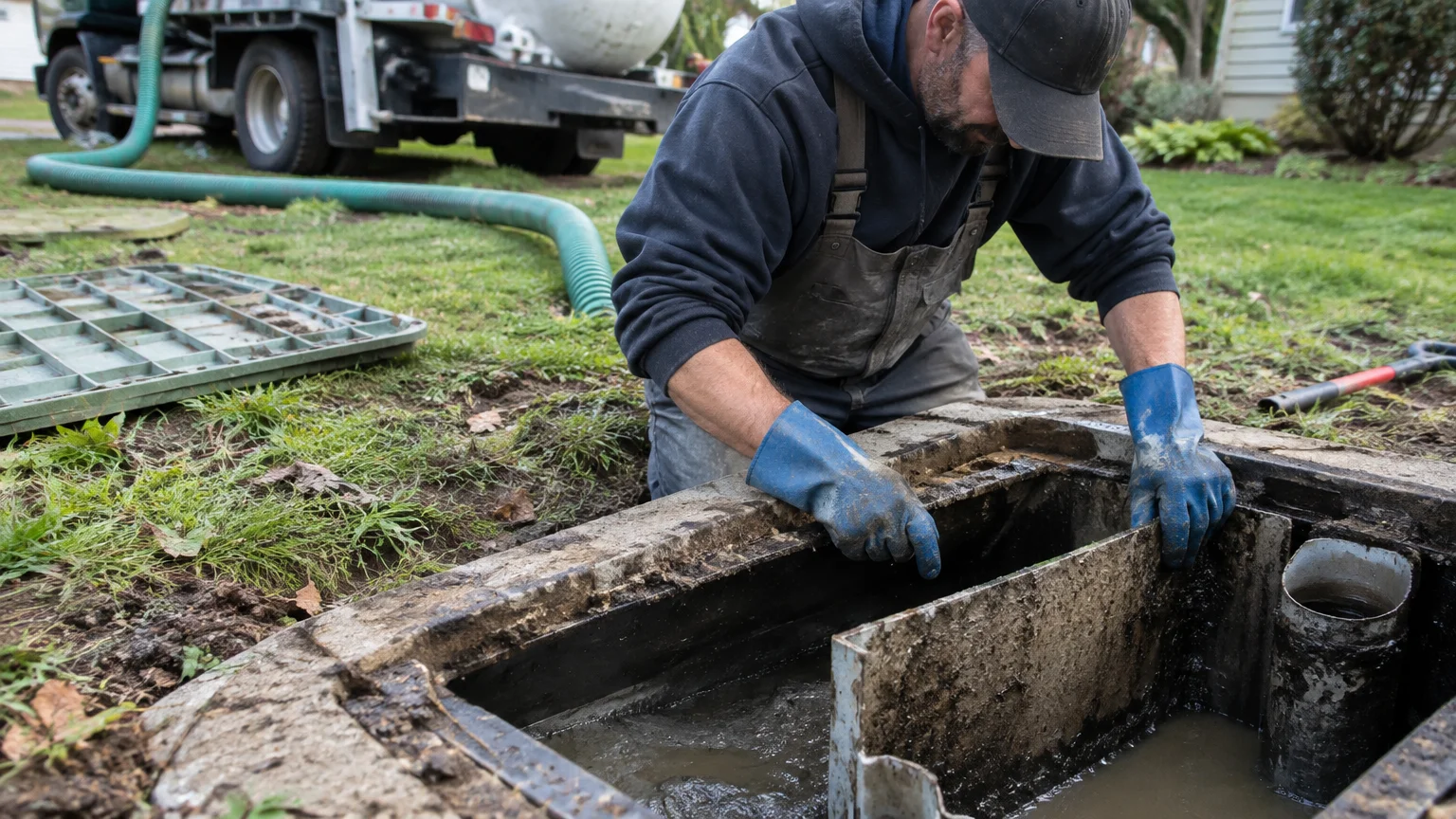
A professional pump-out starts with safe planning and access. The worker finds the tank, opens the access point, checks its condition, and removes liquid, sludge, and scum with a vacuum truck. The worker may also check baffles, filters, lids, and inlet and outlet pipes.
The exact steps depend on the tank and site. Some tanks have one lid. Others have separate lids over different openings. A buried tank may need careful digging before service starts.
How should a homeowner prepare for a professional pump-out?
Find any available records and mark the likely tank location. Clear parked vehicles, toys, furniture, and loose items from the work area. If the location is unknown, share property plans or past service notes.
Tell the worker about slow drains, odors, backups, unusual water use, or recent building work. Also mention any pump tank, alarm, filter, or second drainfield area.
What happens during septic tank pumping?
The worker safely accesses the tank and removes its contents. The tank is checked for cracks, damaged lids, root growth, broken baffles, and leaks. If an effluent filter is present, the worker may clean and inspect it.
Pumping does not fix every septic problem. A blocked line, failed pump, broken pipe, or saturated drainfield may need separate work. The worker should explain visible concerns and suggest an inspection when pumping does not explain the symptoms.
What Can Go Wrong If You Wait Too Long to Pump?
When solids build up, they reduce the tank’s usable space. Wastewater may then leave before solids settle. Those solids can block pipes or reach the drainfield, where they may limit soil absorption.
A neglected system can cause sewage backups, foul odors, wet ground, and landscape damage. It can also create health risks for people and pets. The final cost of needed work is confirmed on a quote and depends on access, system size, damage, parts, and urgency.
How do sludge and scum affect the septic system?
A healthy tank separates solids from liquid. Heavy sludge settles, while scum floats. The middle liquid layer should move through the outlet without carrying much solid waste. Too much sludge or scum reduces this separation space.
A damaged baffle can make the issue worse. A baffle slows flow and helps keep floating and settled waste inside the tank. If it breaks, the drainfield may receive solids sooner than it should.
What damage can reach the drainfield and property?
The drainfield needs open soil spaces to accept wastewater. Extra solids, too much water, or poor soil can slow that flow. The result may be standing water, sewage on the ground, or wastewater moving back toward the home.
A failing drainfield may need testing and design work, not only pumping. A perc test means percolation test. It measures how quickly water moves through soil. A qualified soil worker or local authority may oversee the test. A septic inspection can also help before buying a home or changing the property.
How Can You Keep a Septic Tank Working Between Pump-Outs?
Good daily habits reduce strain on the tank and drainfield. The main goals are to limit extra water, keep harmful items out, and protect the soil area. These steps help, but they do not remove the need for inspections or pumping.
Everyone in the home should follow the same rules. One large release of water can affect a small system. Tenants, guests, and new owners should know where the tank and drainfield are located.
Which water-use habits reduce strain on the system?
Fix leaks as soon as they appear. Run full dishwasher and washer loads, but spread laundry across the week. Avoid sending large amounts of water through the system at once. Direct roof and surface water away from the tank and drainfield.
Protect the drainfield from heavy weight. Do not park cars or place sheds over it. Deep tree roots may harm buried pipes, so choose plants based on local guidance and the system layout.
Which products and materials should stay out of the tank?
Toilets should receive human waste and toilet paper only. Grease, wipes, paper towels, paint, chemicals, and medicine can harm plumbing or treatment. A garbage disposal adds solids and may require more frequent care.
Do not depend on septic additives instead of pumping. Products that claim to clean or restore a system cannot fix a blocked pipe, damaged tank, or failed drainfield. Ask a qualified professional before adding any product.
When Should You Call a Septic Tank Professional?
Call promptly when sewage backs up, wastewater appears in the yard, strong odors continue, or several drains slow together. A professional should also check the system before buying a property, adding bedrooms, building near the drainfield, or changing water use.
Emergency help may be needed when sewage enters the home or reaches areas where children and pets play. Stay away from the wastewater and stop extra water use. Do not cover the area with soil or cleaners.
Which situations require prompt septic service?
Call a septic professional when:
- Wastewater backs up into a sink, tub, shower, or toilet.
- A sewage smell continues after normal plumbing checks.
- The yard stays wet near the tank or drainfield.
- Several fixtures drain slowly or gurgle.
- A septic alarm sounds or a pump stops working.
- A tank lid, pipe, or access cover looks damaged.
Septic Tank Pumping Rogers can help property owners review symptoms and decide whether pumping, inspection, or another service may be needed. Local conditions and system designs vary, so a site visit may be the safest next step.
What information should a homeowner gather?
Share the property address, system location, last service date, recent symptoms, and number of users. Note unusual water use, building work, heavy rain, plumbing repairs, or recent backups. Photos of wet ground or damaged lids may help, but do not approach unsafe wastewater.
For a home sale, gather permits, inspection reports, pumping records, and repair papers. These records help the worker understand the system and plan future care.
Frequently Asked Questions
How deep should a septic tank be?
Septic tanks sit at different depths based on tank design, soil, slope, frost, and local rules. Many have lids near the surface, but some are deeper. Do not dig blindly. A professional can find the tank and identify its access points safely.
What is a septic system?
A septic system treats household wastewater on the property. It usually includes a tank, inlet and outlet pipes, and a drainfield. Solids settle in the tank while liquid moves toward the drainfield for soil treatment. Proper use, inspection, and pumping help it work well.
How far does a septic tank need to be from a house?
The required distance depends on health rules, lot size, soil, wells, and system design. Setback rules may differ by state and county. Check local records or ask a qualified professional before installing, moving, or expanding a system.
Who performs a perc test?
A qualified soil worker, health official, engineer, or approved specialist may perform a perc test. The rules depend on the local area. The test checks how water moves through soil. It is often used for a new or replacement drainfield, not as a substitute for pumping.
How often should a septic tank be inspected?
Inspection timing depends on system age, use, service history, and local rules. An inspection is wise before buying a property, after warning signs, or when records are missing. Regular checks help show whether the tank, pipes, pump, and drainfield work as expected.
Key Takeaways
- Pumping frequency depends on tank size, household use, water flow, and solids.
- Homeowners can manage safe upkeep but should never enter or pump a tank.
- Slow drains, odors, wet soil, and backups can signal a septic problem.
- Records and inspections help prevent surprise system failures.
- Keep grease, wipes, chemicals, and extra water out of the system.
Conclusion
Learning how often to clean out septic tank systems helps property owners avoid backups and drainfield damage. The best schedule comes from tank conditions, household use, and service records. Water-saving habits help between visits, but professional pumping and inspection remain important.
Septic Tank Pumping Rogers helps homeowners, tenants, investors, and business owners with septic care. Local soil, weather, and system design can affect each property, so one schedule may not fit every home.
Contact us today to arrange help from Septic Tank Pumping Rogers.