A drain field is the part of a septic system that sends treated wastewater into the soil. It receives liquid from the septic tank and spreads it through buried pipes or chambers. The soil helps filter the water as it moves down. Knowing what is a drain field can help Rogers property owners care for their systems and notice trouble early.
Table of Contents
- What is a drain field?
- What does a drain field look like?
- How does a drain field treat wastewater?
- What are the main parts of a drain field?
- How do the septic tank and drain field work together?
- What are common misconceptions about drain fields?
- How can you protect a drain field?
What is a drain field?
The drain field’s role in a septic system
A drain field is an area of soil that takes wastewater from a septic tank. It is also called a drainfield, leach field, or septic drain field. The names differ, but the job is much the same. The field spreads liquid waste below ground so soil can help treat it.
A septic system serves a home or building that is not connected to public sewer lines. Water from toilets, sinks, showers, and laundry flows into the tank. The tank holds the waste and lets heavy solids settle. Liquid then leaves the tank and travels toward the drain field.
The drain field is not a place to send untreated waste. It works as one part of a full system. The tank first holds back much of the solid waste. Then pipes spread the liquid through a planned area of soil. Soil helps filter it before it can reach groundwater.
How wastewater moves from the tank into the field
The liquid that leaves a septic tank is called effluent. Effluent is wastewater with many solids settled out, but it still needs more treatment. A distribution box may guide it into several drain field lines. The box helps send liquid through the layout made for the property.
Soil, land slope, space, and local rules all affect the design. Some fields have long, shallow trenches. Others use chambers or another approved layout. A soil test, often called a perc test, can show how fast water moves through soil. This test is useful, but it does not show the full condition of an existing system.
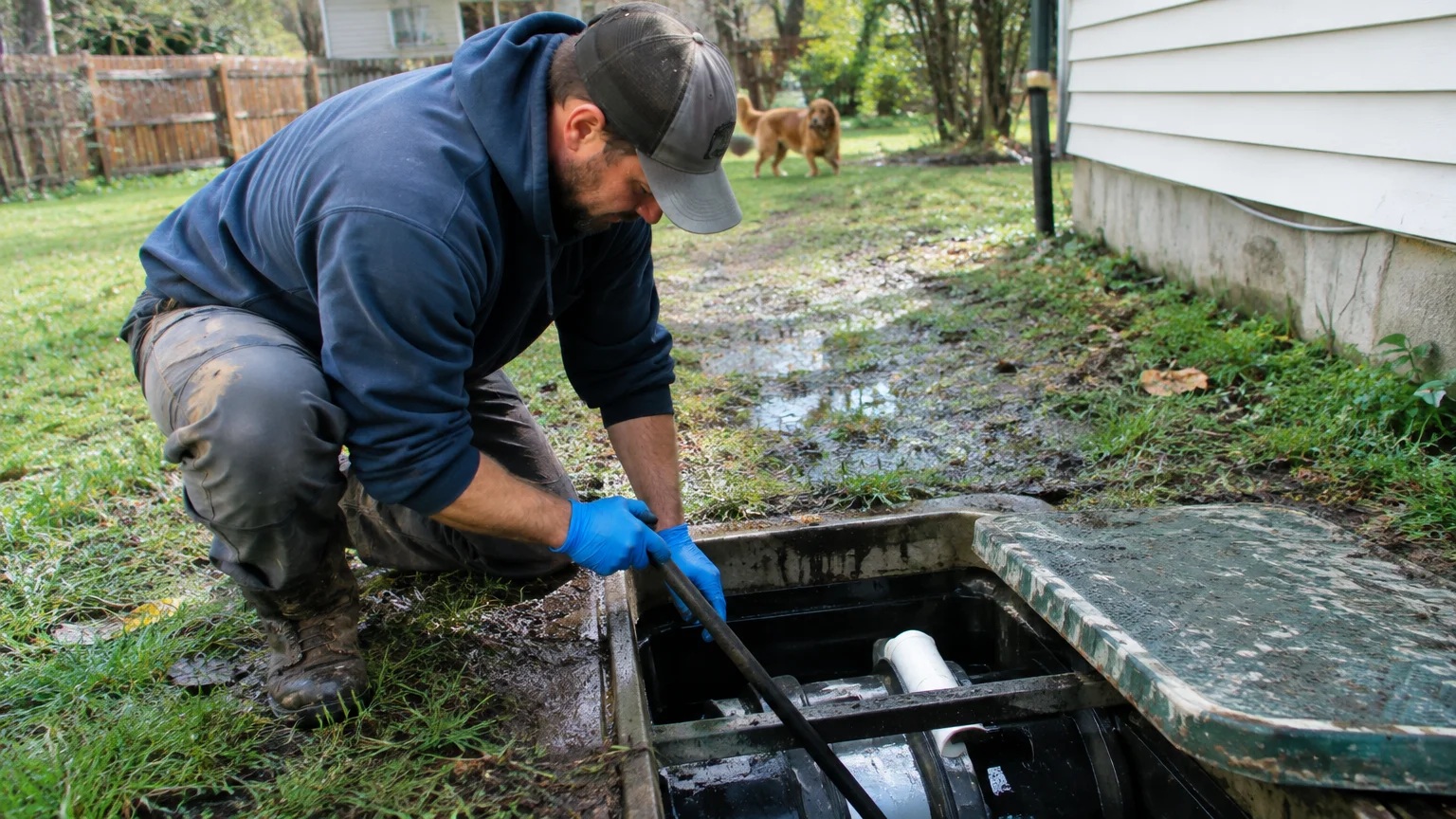
For Rogers property owners, knowing where the tank and field are can help with routine care. Septic Tank Pumping Rogers can explain how septic tank pumping fits into system maintenance. Pumping removes built-up solids from the tank. It does not fix a damaged field or take the place of careful water use.
What does a drain field look like?
Diagram: septic tank, distribution lines, and soil
A drain field is usually buried and cannot be seen from above. It may look like an open grassy area with no clear sign of pipes below. A typical setup has a septic tank, an outlet pipe, a distribution box, and several lines in the soil.
A simple diagram would show wastewater flowing from the building into the tank. Liquid would then travel from the tank to a distribution box. From there, it would spread into pipes set in trenches or chambers. Soil around and below these parts helps treat the wastewater.
A diagram is only a guide. Real systems can have different shapes or extra parts. System plans, permit records, or a trained septic worker may help show what is on a property. Do not dig to find pipes. Buried parts can be damaged, and digging can be unsafe.
Common drain field layouts
A common field uses perforated pipes. These pipes have small holes that let liquid flow out along the line. They may rest in gravel or another approved base. A drain field chamber is a hollow part that gives wastewater room to spread into nearby soil. Some systems use chambers instead of gravel-filled trenches.
Some properties have more than one treatment area or a layout shaped to fit the land. A small or sloped lot may need a different approved design. The right choice depends on the site and the rules in Arkansas. Owners should use the system plan rather than guess how the field was built.
The phrase “sewer leach field” can cause confusion. A drain field belongs to an on-site septic system. It is not the same as a public sewer network. If property records use another name, the system plan can help explain what is installed.
How does a drain field treat wastewater?
How soil filters and treats effluent
Soil does more than hold the drain field in place. As effluent moves through it, small spaces between soil particles help filter the water. Natural processes in the soil also break down some waste. Good soil and a working layout give wastewater time and room to move through these layers.
A field must fit the land. If water moves too slowly through the soil, wastewater may not drain as planned. If it moves too fast, the soil may not treat it well enough. That is why a perc test and other site checks matter when planning a new field.
Treatment depends on more than the pipes. The tank must hold back most solids, and the soil must stay in good shape. Heavy water use, poor drainage, or damage can stop wastewater from spreading as it should. A septic system works as a whole, so checks should consider more than one part.
Why drainage and oxygen matter
A drain field needs open soil and room for water to move. If soil stays soaked for a long time, wastewater may not soak in well. Heavy rain, a high water table, or water from a roof can add strain. Keep roof drains and surface water away from the field when possible.
Air in the soil also helps natural treatment. Driving or parking on the field can press soil down. This leaves less room for water and air to move. Keep vehicles, heavy equipment, and new buildings off the field to help protect it.
A wet or spongy spot above the field can have several causes. Rain or a plumbing leak may be to blame. The spot alone does not prove the system has failed. Still, wet ground that keeps returning, bad smells, or wastewater on the surface needs attention. Keep people and pets away and seek qualified help.
What are the main parts of a drain field?
Distribution box and perforated pipes
The distribution box sends effluent from the tank into the drain field lines. It helps share the liquid among those lines. If the box is damaged or out of level, one area may get more wastewater than another. The exact parts depend on the system design.
Drain field pipes carry liquid away from the tank. Small holes in perforated pipes let the liquid enter the trench or nearby material. The pipes need to sit at a planned depth and slope. They are not made to carry solid waste or drain rainwater.
A drain field chamber can replace some pipe-and-gravel designs. The chamber gives liquid space to spread into the soil around it. Whether a chamber is suitable depends on the property and approved plan. Do not assume one can be added to an older field without proper design and approval.
Gravel, soil, and protective cover
Some drain field lines sit in gravel. Gravel gives wastewater space to move around the pipe. Other systems use approved materials or chambers. Soil around the field is part of the treatment process, so it is important to leave it undisturbed. The right cover and materials depend on the system plan.
Grass is often a good cover because it can limit soil loss and let rain pass through. Deep-rooted trees and shrubs may send roots toward pipes and other parts. Paving or building over the field can change water flow and make later work harder. Ask a qualified septic worker before changing the area.
A riser is a pipe-like access point that brings an opening closer to the ground. A septic tank riser gives access to the tank, not the whole drain field. It can make tank service easier, but it does not show where all field lines are. System plans and property records are better guides to buried parts.
How do the septic tank and drain field work together?
How solids and liquids are separated
A septic tank holds wastewater while heavy solids settle to the bottom. Grease and other light material may form a layer near the top. Liquid between these layers then flows toward the drain field. This process helps keep much of the solid waste out of the pipes and soil.
The tank alone does not complete the treatment. Solids build up over time and need to be removed through septic pumping. How often a tank needs service depends on its size, use, and other conditions. A qualified septic worker can help owners set a care plan for their system.
Tank size is not based on bedroom count alone. Household size, water use, local rules, and design details can all matter. A question like “what size septic tank for a three-bedroom house?” needs an answer based on the site. The approved plan and local health department can help explain the right size.
What happens when wastewater reaches the field
After leaving the tank, effluent moves through an outlet line and into the field. The distribution parts spread it across the planned area. Then the water passes through the soil, where more treatment happens. When each part works well, wastewater can move without pooling on the surface.
The depth of a tank can differ from one property to another. The answer to “how deep should a septic tank be?” depends on the design and site. Tank depth is not the same as the depth of the drain field. Check system records or ask a trained worker before digging.
To find a buried tank, owners can check property records, permits, or a system plan. A professional may use safe tools to locate it if records are missing. Guessing with a shovel or heavy equipment can cause damage or injury. A tank riser may make the access point easier to find.
What are common misconceptions about drain fields?
Why a drain field is not simply a buried pipe
A drain field is a designed area with pipes or chambers and the soil around them. Its size, shape, and depth depend on the property and approved plan. One buried pipe does not provide the same treatment area. Each part must work with the others.
Another mistake is thinking every wet patch means the field has failed. Rain, a broken water line, or poor yard drainage can also make ground wet. But repeated pooling, sewage smells, or wastewater surfacing near the field should be checked. A professional can look at the tank, pipes, soil, and other possible causes.
Some owners think a tank pump-out will fix every field problem. Pumping removes built-up solids from the tank, which is an important part of maintenance. It cannot clear every blockage or restore damaged soil. A drain field concern may need its own inspection and repair plan.
Why additives do not replace proper system care
Septic additives are often sold as a way to fix system problems. They do not replace pumping, careful water use, or a proper check when signs appear. Products may not fix a blocked pipe, damaged distribution box, or wet soil. Ask a qualified worker before adding products to the system.
Flushing the wrong items can also cause trouble. Wipes, paper towels, grease, and other household waste can strain the system or block pipes. A septic system works best when only suitable wastewater enters it. Follow local advice about what can go down drains and toilets.
A “leach field fix” is not one set repair. The right work depends on what is wrong, where the problem is, and how the system was built. An inspection may find a tank issue, a plumbing problem, or a field concern. Do not dig, drive over the field, or try chemicals before the cause is known.
How can you protect a drain field?
Everyday practices that reduce strain on the system
Owners can safely take simple steps without hiring a professional. Use water wisely, fix dripping taps and running toilets, and spread laundry loads over time. These habits reduce sudden flows into the tank and field. Keep roof drains and sump pump outlets away from the drain field as well.
A short care checklist can help:
- Keep vehicles, heavy equipment, and sheds off the drain field.
- Grow grass over the field and avoid deep-rooted plants nearby.
- Flush only toilet paper and human waste, unless local guidance says otherwise.
- Keep records of pumping, checks, repairs, and system plans.
- Watch for changes in drainage, odors, or wet ground near the field.
Owners do not need to open tanks or touch wastewater for routine care. Septic tanks can hold dangerous gases, and open lids can cause falls. Leave tank opening, pumping, and repair work to trained professionals. Safe upkeep means watching the yard and managing water use, not entering or digging around the system.
Warning signs that may need professional attention
Slow drains in several parts of a building, sewage smells, or wastewater backing up can point to a system problem. Wet ground or grass that is much greener over the field may also be a warning sign, especially if it keeps happening. These signs can have other causes, so a careful check is better than a quick guess.
If wastewater reaches the surface, keep people and pets away. Do not drive over the area or uncover pipes. Note what changed and when the problem began. These details can help a septic worker decide what to check.
Frequently Asked Questions
Does every septic system have a drain field?
Many household septic systems use a drain field, but not all on-site systems have the same design. Some properties use another approved treatment method because of soil, space, or site conditions. The system plan and local records can show which type is installed. Do not assume a property has a standard field.
Can a drain field be repaired?
Some drain field problems can be repaired, but the right work depends on the cause. A blocked line, damaged part, or soil issue may need different steps. An inspection can help show whether repair is possible or if a larger change is needed. Do not dig or add products before the cause is known.
How long does a drain field last?
There is no single lifespan that fits every drain field. Design, soil, water use, maintenance, and weather can all affect how well it works over time. Keeping records and responding to warning signs can help owners notice changes. A qualified worker can check the field’s current condition.
Does pumping the septic tank clean the drain field?
No. Pumping removes built-up solids from the septic tank. It does not wash or repair the drain field. Pumping on a suitable schedule helps limit solids leaving the tank, while field problems may need a separate check. A professional can help find which part needs attention.
Can a homeowner walk over a drain field?
Walking across a grassy field is not the same as driving or parking there. Still, follow the system plan and local advice. Heavy loads can press down soil or harm buried parts. Keep vehicles and equipment away, and do not dig to find pipes. Ask a septic worker if you are unsure.
Key takeaways
- A drain field spreads liquid waste through soil for more treatment.
- The tank, pipes, and soil must work together.
- Keep vehicles, heavy loads, and deep-rooted plants away from the field.
- Repeated wet ground, bad smells, or backups need a careful check.
- Pumping the tank does not repair or clean a damaged drain field.
Understanding what is a drain field helps owners see how the tank, pipes, and soil work as one system. Simple habits can reduce strain, while repeated odors, backups, or wet ground deserve attention. Septic Tank Pumping Rogers serves Rogers and can help explain septic pumping and related system concerns. For information about your septic system, Contact us.
If you are not sure what you are dealing with, it is worth having someone look at it before it turns into a bigger job. Get in touch with Septic Tank Pumping Rogers today and we will tell you where you stand.