The best toilet paper for a septic tank breaks apart quickly in water and leaves small pieces behind. Soft, strong paper may still work if it breaks down well. If you ask, “what is the best toilet paper for septic tank” use, look at how fast it separates instead of choosing only by softness or layers. A simple jar test can help compare brands. Good flushing habits and regular septic maintenance matter too.
Table of Contents
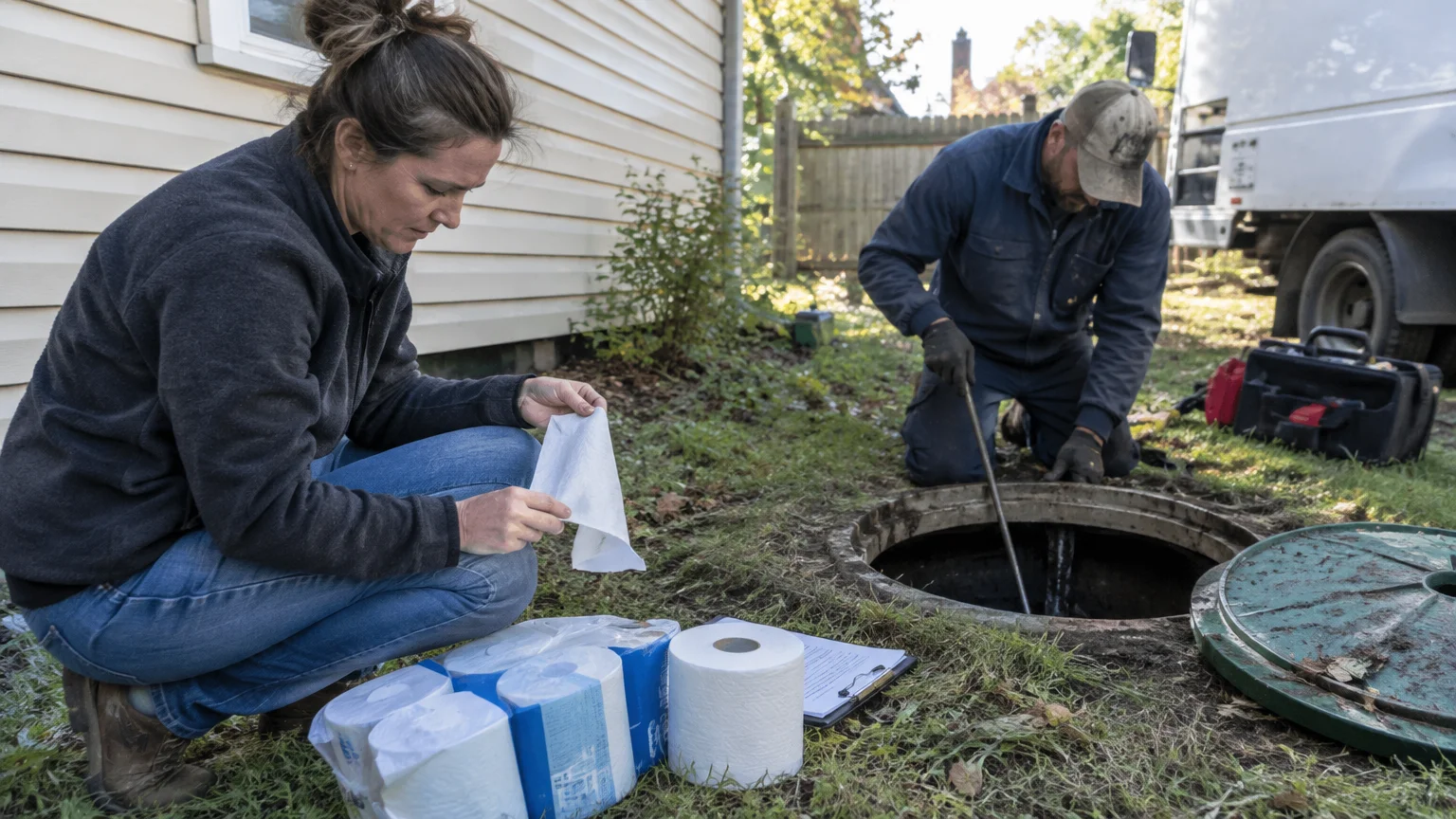
- What is the best toilet paper for a septic tank?
- Does all toilet paper break down safely in a septic system?
- Is one-ply toilet paper better for septic tanks?
- Are recycled and bamboo toilet papers safe for septic systems?
- Are flushable wipes and specialty toilet papers safe for septic tanks?
- How can you test whether toilet paper is septic-safe?
- What other habits help protect a septic system?
- Frequently Asked Questions
What is the best toilet paper for a septic tank?
The best choice breaks apart soon after it gets wet. A septic-safe label can help, but it does not tell the whole story. Paper that dissolves well and flushes with normal water use is usually a good choice. It should not contain plastic fibers. The paper does not need to vanish at once. It should separate into small pieces instead of staying as one strong sheet.
What makes toilet paper septic-safe?
Septic-safe toilet paper is made to break down in water. This matters because a septic tank separates solids, liquids, and grease. Toilet paper joins the solid waste in the tank. Paper that breaks apart helps the tank work as planned.
The words septic-safe do not mean every brand works the same way. Some paper is thick, quilted, or made for extra softness. These types may break down more slowly. Read the package, use a small amount, and test the paper before buying a large supply.
A septic system needs more than the right paper. It also needs healthy bacteria, normal water flow, and regular care. Septic Tank Pumping Rogers helps property owners understand when septic tank pumping may be needed. The team can also explain signs that need attention.
Paper that stays together may collect in the tank or move toward the drainfield. A drainfield is the part of the system that filters liquid waste through soil. Heavy solids can make this work harder over time. Do not flush a large amount at one time, even when the paper breaks down well.
Good toilet paper supports normal tank use. It cannot fix an overdue tank, blocked pipe, damaged drainfield, or septic tank replacement need. Those problems need a proper check.
Does all toilet paper break down safely in a septic system?
No. Most regular toilet paper is made to break down in water, but some types take longer. Thick paper, decorative paper, and paper with added fibers may stay whole longer. The label and a water test can help you compare products. The test is only a guide because it cannot copy every condition inside a septic tank.
What happens to toilet paper inside the tank?
Wastewater flows from the home into the septic tank. Heavy solids settle at the bottom as sludge. Lighter waste rises and forms a layer called scum. Toilet paper usually mixes with solid waste and starts to break down with help from natural bacteria.
A septic tank is not a treatment plant that removes every solid. It holds waste until pumping removes the built-up sludge and scum. If too much solid waste stays in the tank, it may move toward the drainfield.
This can lead to slow drains, bad smells, or wet spots in the yard. People asking how does the septic system work should know that pumping removes stored waste. It does not replace careful product use. It also does not repair a damaged system.
A home should not flush large amounts of paper at once. Smaller amounts help the plumbing and tank handle waste in a normal way. If you are unsure how to find a trusted maintenance plan in Rogers, keep service records and ask a local septic professional for help.
How thick, quilted, and strong paper can differ
Thick paper often needs more time to separate in water. Quilted paper has layers pressed together for comfort and strength. Strong paper may feel useful in the bathroom, but it can stay whole longer after flushing.
That does not make every thick product unsafe. The main question is how the paper acts when wet. Soak equal pieces in water and watch how easily they separate. This gives you a simple way to compare products before regular use.
Is one-ply toilet paper better for septic tanks?
One-ply toilet paper often breaks apart quickly because it has fewer layers. Still, one-ply is not always the best choice. Some two-ply paper also breaks down well. Some thin paper may remain together when wet.
The idea about one-ply paper is partly true. Fewer layers can separate faster. Comfort, strength, and paper fibers also matter. Choose paper that works for your home and breaks apart during a water test.
One-ply paper may cause people to use more sheets. That can reduce the benefit of quick breakdown. A home does not need to buy the thinnest paper available. Moderate two-ply paper may work well when it separates easily.
Look for a septic-safe claim and test the product at home. Avoid paper that mentions plastic fibers, strong wet strength, or added nonwoven material. Do not flush unusual amounts of any toilet paper. Add extra paper in smaller amounts and flush normally when needed.
Keep a wastebasket near the toilet for items that do not belong in the bowl. This helps keep wipes, tissues, and other tough products out of the plumbing. You do not need a professional to read labels, compare paper, do a jar test, or improve daily habits.
Professional help is needed when the system has a backup, blockage, damage, or overdue maintenance. It is also needed when you cannot safely find the source of a sewage problem.
Are recycled and bamboo toilet papers safe for septic systems?
Recycled and bamboo toilet papers can work in septic systems when they break down in water. The type of fiber alone does not decide if a product is safe. Layers, coatings, treatments, and wet strength also matter.
Recycled paper uses fibers that have already been processed. Bamboo paper uses fibers from bamboo plants. Both types may break down well. However, the finished product may contain binders or added fibers that make it separate more slowly.
A septic system depends on natural breakdown inside the tank. Products that split into small pieces are less likely to add large clumps to the solid layer. Even suitable paper adds solids, so regular septic pumping remains part of normal system maintenance.
Do not assume that words like natural, plant-based, or eco-friendly explain what happens after flushing. Look for clear wording about septic systems and water breakdown. Avoid products that contain plastic or are made to stay strong when wet.
If the label is unclear, try a small test before using the product every day. Useful signs include:
- A clear septic-safe statement from the maker
- Paper that separates easily after soaking in water
- No plastic fibers, mesh, or nonwoven material
- A normal number of layers without heavy quilting
- Directions that do not suggest flushing large amounts
These signs help, but they do not replace good septic habits. The best toilet paper for septic tank use breaks down well and fits normal household use. A homeowner can compare products without professional help. A septic professional should inspect slow drains, odors, backups, or other warning signs.
Are flushable wipes and specialty toilet papers safe for septic tanks?
Most flushable wipes are a poor choice for septic systems. This is true even when the package says they can be flushed. Wipes are made to stay together when wet. That strength can cause clumps, blockages, and extra solids in pipes or tanks.
Toilet paper is made to separate quickly in water. Wipes are made to clean while staying strong in a person’s hand. They may travel through the plumbing as whole sheets or tangled groups. They can collect at pipe bends, pumps, tank outlets, or narrow points.
Wipes may also reach the drainfield before breaking down. A toilet may flush well today but develop a problem later. The same concern can apply to cleaning sheets, makeup wipes, paper towels, tissues, and shop towels.
Put these products in household waste unless local rules say otherwise. Flushable does not mean the product is right for every septic system. A lined wastebasket is the safest option for wipes and specialty bathroom products.
Diapers, cotton swabs, dental floss, sanitary products, and paper towels should also stay out of the toilet. Never flush grease, paint, chemicals, medicine, cat litter, or household trash. These items can harm helpful bacteria, block pipes, or add solids the system cannot handle.
You can use a wastebasket and follow disposal directions without professional help. A plumber or septic professional can explain disposal when a label is confusing. They can also help when a blockage may already be present.
How can you test whether toilet paper is septic-safe?
A jar breakdown test gives you a quick way to compare toilet paper. It shows how the paper reacts in water, but it does not copy every condition inside a septic tank. Use the result as a guide, not as a full system test.
Homeowners can do this check themselves. You need a clear jar, water, a small amount of paper, and a lid. Use the same amount of water, paper, and shaking time for each product.
A simple jar breakdown test
Place a few sheets of paper in a clear jar filled with water. Close the jar and shake it gently for several seconds. The paper should start to separate into small pieces instead of staying as one sheet.
The test is easier to judge when each product uses the same amount of paper. Too much paper may make any brand look slow to break apart. Follow these steps:
- Add water to a clear jar.
- Place an equal piece of each paper inside.
- Close the lid and shake gently.
- Watch for pieces or one whole sheet.
- Choose paper that breaks apart without large clumps.
What the test can and cannot prove
The jar test does not measure the full effect on pipes, a septic tank, or a drainfield. Tank size, water use, soil, bacteria, plumbing design, and household habits also matter. A product that passes the test can still cause trouble when flushed in large amounts.
The test also cannot show if a tank needs pumping. People asking about a septic tank and when to pump should check local records and system signs. Slow drains, odors, wet ground, and backups may show that service is needed.
Septic Tank Pumping Rogers helps property owners review their septic care needs. You can do the jar test and basic checks yourself. A professional should assess sewage backups, drainfield trouble, structural damage, or unsafe waste conditions.
What other habits help protect a septic system?
The best toilet paper works best with careful daily habits. A septic system should receive only wastewater, human waste, and toilet paper. Everything else should stay out of the toilet and household drains.
Water use matters as well. Large bursts of water can move solids through the tank before they settle. Fix leaking toilets and faucets when possible. Spreading laundry loads through the week may also reduce sudden flow.
Keep these items out of the septic system:
- Flushable and baby wipes
- Paper towels, tissues, and cleaning cloths
- Diapers and personal care products
- Dental floss, cotton swabs, and hair
- Grease, paint, harsh chemicals, and litter
- Food scraps, medicine, and household trash
You can fix small leaks when you have the right skills. You can also manage water use and keep unsuitable items from drains. Call a professional when a leak is hidden, wastewater backs up, or the cause of a septic issue is not clear.
When professional septic tank pumping may be needed
Septic tank pumping removes sludge and scum that bacteria cannot fully clear. A professional may be needed when drains slow down, sewage odors appear, wastewater backs up, or the yard becomes wet near the tank or drainfield.
These signs may also point to a clog, broken pipe, or drainfield problem. Pumping alone may not fix the main cause. A full check can help show what the system needs.
A new property, changing home occupancy, or older system may need a different care plan. Tank depth, access, soil, and system design can affect the work. A perc test checks whether soil can absorb wastewater. It does not replace tank service.
Homeowners do not need a professional to choose toilet paper or handle simple upkeep. Inspection, pumping, repairs, and wastewater hazards need trained help. If a system may need septic tank replacement, an experienced professional should review the tank, soil, pipes, and local rules.
Key takeaways
- Choose toilet paper that breaks apart quickly in water.
- One-ply paper is not always better than suitable two-ply paper.
- Recycled and bamboo paper can work when the finished product breaks down well.
- Keep wipes, paper towels, grease, and trash out of the toilet.
- Good products do not replace timely septic pumping and maintenance.
Frequently Asked Questions
What is the best toilet paper for a septic tank? The best toilet paper breaks apart quickly in water and does not contain plastic fibers. A septic-safe label helps, but a small jar test may give more information. Moderate two-ply paper may work as well as one-ply paper when it separates easily.
Is thick toilet paper bad for a septic system? Thick toilet paper is not always unsafe, but it may take longer to separate. Quilted layers and strong wet fibers can leave larger pieces in the tank. Test the product in water and avoid flushing large amounts.
Can flushable wipes go into a septic tank? Flushable wipes are best placed in a lined wastebasket. They are made to stay strong when wet, so they may gather in pipes, pumps, or tanks. The word flushable does not mean the product breaks down like toilet paper in every system.
Are bamboo and recycled toilet papers safe for septic tanks? They can be safe when the finished paper breaks apart well in water. Fiber type is only one part of the product. Check for a septic-safe claim, avoid plastic fibers, and use a jar test when the label is unclear.
How often should a septic tank be pumped? The right timing depends on tank size, home size, water use, waste volume, and system design. Pumping may be needed sooner when drains slow, odors appear, or wastewater backs up. A local septic professional can review the system and suggest a care plan.
Conclusion
The best toilet paper for a septic tank is not always the thinnest or softest option. It is paper that breaks apart well, contains no plastic fibers, and is used in sensible amounts. Good habits also mean keeping wipes, grease, chemicals, and trash out of the plumbing.
A homeowner can check labels, compare products, do a jar test, and handle simple upkeep without professional help. Warning signs, inspections, pumping, repairs, and unsafe wastewater need trained attention. Rogers property owners can turn to Septic Tank Pumping Rogers for help with practical septic care.
Septic Tank Pumping Rogers serves the main Rogers area, including Downtown Rogers, Bentonville, Lowell, Cave Springs, Pea Ridge, and nearby communities. Contact us to discuss septic tank pumping and ways to protect your system.