A smell from septic tank outside can point to a blocked vent, a full or damaged tank, or wastewater escaping from the system. The odor’s location and strength may offer clues, but they cannot prove the cause. Keep people and pets away from wet or foul-smelling areas, and seek help if the smell stays or sewage appears.
Table of Contents
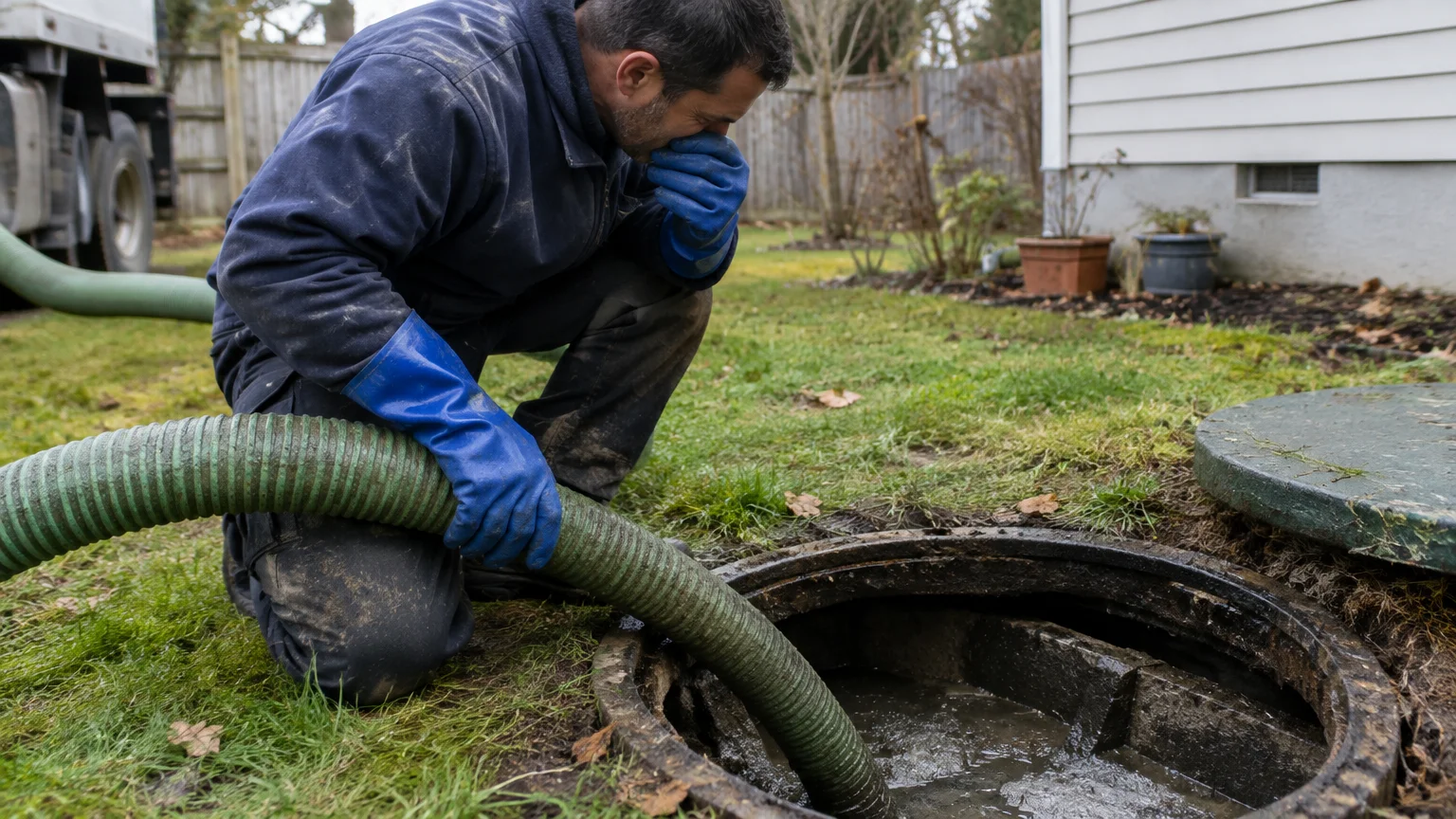
- What does a smell from a septic tank outside mean?
- What are the most likely causes of an outdoor septic smell?
- Could weather or normal system operation cause the smell?
- What should you do when you smell septic odors outside?
- When is an outdoor septic smell an emergency?
- How can a septic professional diagnose the odor?
- How can you prevent septic odors from returning?
What does a smell from a septic tank outside mean?
An outdoor septic odor may mean gas or wastewater is escaping from part of the system. The smell alone cannot show whether the problem is small or serious. Where it is strongest, how long it lasts, and any changes in drains or the yard can help guide your next steps.
How septic odors can point to a system problem
A septic system treats household wastewater in a tank, then sends liquid to a drain field. A drain field is the area where treated water moves into the soil. If the tank, pipes, vent, or drain field has a problem, odors may reach the yard.
A short smell near a plumbing vent may come and go. A strong odor that stays near the tank or drain field needs more care, especially if sinks or toilets drain slowly. Wastewater coming up through the yard is a warning sign, not normal system use.
Where the smell is coming from matters
Notice where the odor is strongest, but stay away from wet or unsafe ground. A smell near a roof vent may be carried down by wind. An odor around a tank lid may point to a loose or broken cover. A smell across the drain field may mean the soil is not taking in wastewater well.
The tank is buried, so the odor may not come from the place where the problem began. Pipes connect the home’s plumbing, tank, and drain field. Septic Tank Pumping Rogers can help property owners review these clues and decide what to check. Make a note of where and when the smell occurs; that can help a septic professional.
What are the most likely causes of an outdoor septic smell?
Common causes include a blocked plumbing vent, a tank that needs service, a loose tank cover, or trouble in the drain field. The likely cause depends on where the odor is strongest. Slow drains, gurgling sounds, or wet ground can also help narrow down the problem.
Common causes, ranked by likelihood
A plumbing vent lets gases leave the home through a pipe, often above the roof. If the vent is blocked or air cannot move through it well, odors may gather near the house. Wind can also carry gas from the vent toward a patio or window. This can smell bad without proving that the tank has failed.
A tank that holds too much solid waste may send waste into parts of the system that should stay clear. A tank lid that does not fit well can let odors escape nearby. Soggy ground or unusually green grass over the drain field may mean wastewater is not spreading through the soil as it should.
A blocked or damaged pipe can also slow or stop the flow. You may notice several slow drains, gurgling sounds, or wastewater backing up indoors. These signs can help a professional find the source, but they cannot prove the cause by themselves.
Less common causes that need professional investigation
A broken tank, damaged pipe, or failing drain field can cause odors and sewage problems. Heavy rain, a high water table, or changes to the yard may also affect the system. A professional can check the site and system before advising on service or repairs.
Tank depth and size do not explain an odor by themselves. The depth changes with the site and how the system was put in. Records, access points, and a careful check can help locate a buried tank. Tank size depends on the home and local rules. Guessing from the number of bedrooms alone may lead to the wrong answer.
Could weather or normal system operation cause the smell?
Yes. Wind, heat, and rain can change how strong an odor seems or where it travels. A short-lived smell may fade when the weather changes, but that does not rule out a system problem. Watch for odors that return and signs such as slow drains or wet ground.
How wind, heat, and rain affect septic odors
Wind can carry gas from a plumbing vent toward places where people spend time. On a calm day, the same smell may be harder to notice. Warm weather can make odors easier to smell. Heavy rain can soak the soil and make it harder for the drain field to take in wastewater.
A wet yard after a storm does not always mean the septic system has failed. Look for a patch that stays soggy after nearby ground dries, or water with a sewage smell. A wide, short-term wet area may be rainwater. A foul-smelling patch that remains needs prompt attention.
When a temporary odor is still a warning sign
A brief smell that goes away and does not return may not need an urgent visit. Still, keep track of when it happens and where it is strongest. If it returns, gets stronger, or comes with plumbing trouble, arrange a system check instead of waiting for a backup.
Tenants should tell the owner or manager about repeated odors, slow drains, or wet areas. Owners and investors can share those details with a septic professional. In Rogers, local weather may change odor patterns, but only a system check can show if service or repair is needed.
What should you do when you smell septic odors outside?
First, stay away from wet or foul-smelling areas and note where the odor is strongest. From a safe place, look for signs such as slow drains or a tank lid that seems loose. Do not open a tank or try to fix buried parts yourself.
Safe checks you can make around the property
You do not need a professional just to notice symptoms or make a few safe checks. Look for standing water, unusually wet ground, or changes in how sinks and toilets drain. Note recent rain, how long the smell lasts, and whether it returns near the same place.
A short checklist can help:
- Notice whether one drain or several drains are slow.
- Look from a safe place for wet or unusually green patches.
- Note whether the odor is near a vent, tank, or drain field.
- Keep children and pets away from ground that may be unsafe.
- Share the timing and signs with the owner or septic professional.
These observations can help, but they do not diagnose the system. Septic Tank Pumping Rogers can explain what details may help before a service visit. If the home has a backup or sewage in the yard, treat the problem as urgent.
What to avoid before the cause is known
Do not lift or enter a septic tank. Tanks can hold harmful gas and may not have safe air for breathing. Do not walk over soft, wet ground or touch wastewater. Keep flames away from a suspected gas leak. Do not pour strong drain cleaners into the system to try to clear a problem.
Use less water if drains are backing up or wastewater is coming to the surface. Hold off on laundry, long showers, and other tasks that use a lot of water until a professional gives advice. Do not drive or park over the tank or drain field, since heavy loads can harm buried parts.
When is an outdoor septic smell an emergency?
Treat the problem as urgent if sewage backs up indoors, wastewater reaches the surface, or a strong odor comes with several drains that are not working. Keep people and pets away from the area. Get prompt help from a septic professional, and follow local public health advice if sewage reaches a home or shared space.
Signs of a sewage backup or surfacing wastewater
A toilet that bubbles while another fixture drains may point to a blockage or trouble moving wastewater. More serious signs include sewage rising in a floor drain, wastewater near the tank, or a wet patch with a strong sewage smell. Act quickly because touching wastewater can make people sick.
A smell alone may not mean immediate danger, but a smell with visible sewage should not be ignored. Stop using water as much as you can and tell others which areas to avoid. If sewage enters the home, keep children and pets out and get advice on safe cleanup.
When to keep people and pets away
Keep everyone away from standing wastewater, soft ground, open or damaged tank covers, and places where sewage may be coming up. Do not let pets sniff, drink from, or walk through the area. Do not cover wastewater with soil or move it into a storm drain.
If someone touches sewage, wash the skin with soap and clean water. For sewage inside, follow local public health advice about cleanup and when it is safe to return. A septic professional can check the system, but may not handle all indoor cleanup. The right steps depend on where the wastewater went and how much it affected.
How can a septic professional diagnose the odor?
A septic professional can compare the odor’s location with the plumbing, tank, and drain field. The check may include visible parts, access points, and signs of backup or poor drainage. Pumping may help when a tank needs service, but it cannot fix every cause of an odor.
What an inspection may check
The professional may ask when the smell began, where it is strongest, and whether drains are slow or backing up. They may check the plumbing vent, tank access points, inlet and outlet areas, and ground around the drain field. The checks depend on the system and signs at the property.
Tell the professional about recent rain, changes in water use, past service, and work near the tank or drain field. Septic records may show where the system sits and how it was built. If records are missing, a professional can help find the system parts safely.
Why pumping may or may not resolve the problem
Pumping removes settled solids and floating material from a septic tank. It may help when the tank needs septic pumping, but it will not clear every blocked pipe or fix a broken tank. It also cannot repair a drain field that no longer works well.
The right service depends on the cause, not just the odor. Septic tank pumping may be one part of the answer after a system check. A professional can explain whether pumping, repair, or more testing is needed. Ask what they found and what signs to watch for afterward.
How can you prevent septic odors from returning?
Good daily habits can lower strain on a septic system, but they cannot prevent every problem. Use water with care, keep harmful items out of drains, and protect the tank and drain field from damage. Routine maintenance and pumping should follow the system’s needs and local advice.
Habits that help protect the septic system
Toilets and sinks should carry wastewater, not rubbish. Do not flush wipes, grease, medicines, or other things that can block pipes or upset the system. When you can, spread out laundry and other heavy water use. This helps avoid sending a large amount of water through the system at once.
Keep cars, sheds, and heavy equipment off the tank and drain field. Do not plant trees or shrubs where roots may reach buried pipes. Send roof drains and yard runoff away from the drain field. These steps can help protect the system, but they cannot fix damage that is already there.
When routine inspection and pumping are appropriate
One schedule does not fit every septic system. How often to inspect or pump depends on tank size, household use, system condition, and local advice. Keep service records so owners can see when the tank was last checked and what work was done.
For a first-time buyer, a septic inspection may help find problems before a sale is complete. Tenants should report repeated odors or drain changes to the owner or manager. Property owners can ask Septic Tank Pumping Rogers about a returning odor or signs that call for a closer look.
Key takeaways
- Odor location and timing can offer clues, but do not prove the cause.
- Slow drains, sewage backups, or wet, foul-smelling ground need prompt attention.
- You can safely watch for signs, but should not open or enter a tank.
- Pumping helps when a tank needs service, but may not fix vents, pipes, or a drain field.
- Keep people and pets away from wastewater and damaged tank covers.
Frequently Asked Questions
Can a septic smell outside be normal?
A short odor may happen when wind carries gas from a plumbing vent or weather changes how it travels. A smell that returns, stays strong, or comes with slow drains or wet ground should not be ignored. Note where and when it happens, then seek advice if it continues.
Why does the yard smell like sewage after rain?
Heavy rain can soak the soil and make it harder for the drain field to take in wastewater. A wet yard for a short time may simply be from rain, but a lasting sewage smell or standing wastewater needs attention. Stay away from the area and arrange a system check if the signs remain.
Will pumping the septic tank stop the outdoor odor?
Pumping may help if the tank needs service, but it will not fix every cause. A blocked vent, damaged pipe, loose cover, or failing drain field may still create an odor. A professional should check the system and explain the cause before deciding what work is needed.
How can someone find a buried septic tank?
Start with property records, septic plans, or notes from past service. Do not dig at random, since you may harm buried pipes or tank lids. A septic professional can help find the tank and access points safely, especially if records are missing or the yard has changed.
When should a septic odor be treated as urgent?
Act promptly if sewage backs up into the home, wastewater reaches the yard, or several drains stop working. Keep people and pets away, and use less water until you get advice. A strong odor with visible sewage needs professional help, not a wait-and-see approach.
Conclusion
An outdoor septic smell may come from a vent, tank, pipe, or drain field. Its location and changes in the plumbing can point to a problem, but a professional check may be needed to confirm it. Avoid unsafe do-it-yourself work and stay away from wastewater.
If an odor keeps returning or you see signs of a backup, Contact us to discuss the next step with Septic Tank Pumping Rogers. For Rogers property owners, a prompt check can help clarify whether maintenance, emergency pumping, or repair may be needed.
If you are not sure what you are dealing with, it is worth having someone look at it before it turns into a bigger job. Get in touch with Septic Tank Pumping Rogers today and we will tell you where you stand.