The cost to replace a septic tank depends on the tank, the property, and the work the system needs. A simple tank swap may take less work than a project with hard digging, system updates, or drain field repairs. The final cost is confirmed in a quote based on the site and project plan.
Replacing a septic tank can feel hard to plan because much of the system sits underground. Learning what shapes the quote can help you ask clear questions and compare plans. Septic Tank Pumping Rogers helps property owners understand the steps and the details that can affect the work.
Table of Contents
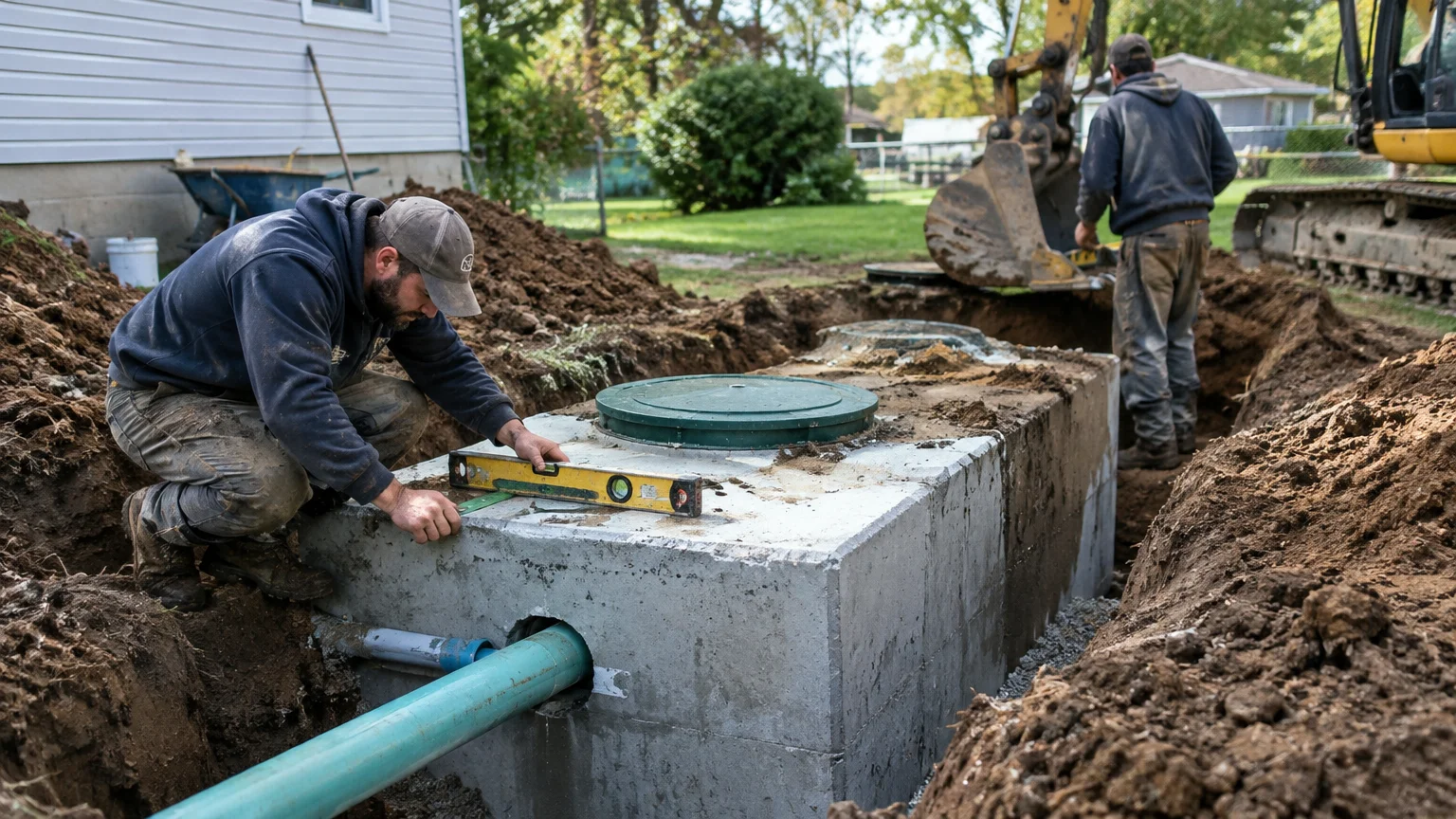
- What affects the cost to replace a septic tank?
- How does tank size affect replacement cost?
- How does access to the tank affect the cost?
- How does the type of septic system affect replacement cost?
- How does location affect septic tank replacement costs?
- What should a septic tank replacement quote include?
- When should you get a septic tank replacement quote?
- Key takeaways
- Frequently Asked Questions
- Conclusion
What affects the cost to replace a septic tank?
The cost to replace a septic tank depends on the tank, the soil, access, and the work needed. A quote can cover more than taking out one tank and placing another. First, find out which parts of the system need care and what the property allows.
How do site conditions and project scope shape the estimate?
A contractor needs to know where the tank is and how the crew can reach it. Soil, slope, groundwater, and nearby buildings can affect digging and equipment use. The space available for moving and storing dug-up soil can also matter.
A visit to the property can show details that photos may miss. A buried tank can be hard to find if records are lost or the yard has changed. A septic tank riser is a pipe that brings the tank opening closer to the ground. It can make future checks easier, but its location and fit should be part of the work plan.
Why can replacement involve more than installing a new tank?
The old tank may not be the only part that needs work. The inlet and outlet pipes, lids, and baffles may need a check. A drain field is the area where wastewater flows from the tank into the soil. Damage there can change the work the system needs.
Ask which tasks are included and which are not. A quote may cover tank removal and installation but list yard work or pipe repairs separately. Clear details can help prevent confusion once work starts. Septic Tank Pumping Rogers can explain which site details may affect a replacement plan.
How does tank size affect replacement cost?
A larger tank may need more material, heavier equipment, and more work to move and set in place. The right size depends on the home, how it is used, and local rules. Choosing a tank only because it matches the old one may miss changes to the property or system.
How is the right tank capacity determined?
A septic professional can review the home layout, bedrooms, plumbing, and system records. For a three-bedroom home, the right tank size still depends on local rules and the full system design. A qualified professional should confirm the choice, rather than relying on a general rule found online.
The tank is only one part of the system. Soil and the drain field also affect how wastewater is handled. A perc test, or percolation test, checks how fast water moves through soil. It may help guide system plans when the soil or replacement design needs a closer look.
What can change when a property needs a larger tank?
A larger tank may need a wider hole and a different way to move it into place. The site may also need more room for equipment. If the tank is near a house, fence, or driveway, the crew may need to plan how to protect those features.
More tank capacity will not fix a damaged drain field or poor soil. The tank and the rest of the system must work together. Ask why a certain tank size is suggested and whether the pipes and field can support it. The quote should name the chosen tank and any related work.
How does access to the tank affect the cost?
Hard-to-reach tanks can need more careful digging, different equipment use, or added steps to protect the yard. A tank with open space around it may be easier to reach than one below a patio or behind a narrow gate. The layout is an important cost factor.
How do digging conditions and equipment access matter?
The crew needs a safe path to the tank and enough room to work. Soft ground, steep slopes, tree roots, and hard surfaces can affect digging. Wet or loose soil may need extra care to keep the work area safe and limit damage.
Septic tanks can sit at different depths. The depth depends on the system and property, so no single depth fits every home. If you do not know where the tank is, check system records or ask a professional to find it. Digging without knowing the location can damage pipes or create a safety risk.
What property features can make removal more complex?
Driveways, decks, walls, sheds, and landscaping may limit equipment access or sit close to the tank. The crew may need to protect these features or use another route. A narrow gate can also affect how tools and materials reach the work area.
Before getting a quote, point out known pipes, wells, utility lines, and past repairs. Share any site plans or septic records you have. You can safely move loose items away from the work area, but do not open, enter, or try to move a tank. A septic tank is a confined space and should only be handled by trained professionals.
How does the type of septic system affect replacement cost?
The system type affects the parts, work, and checks needed for a replacement. A common system uses a tank and a soil-based drain field. Other systems may have extra treatment parts or use a different way to handle wastewater, which can make the plan more involved.
How do conventional and alternative systems differ?
A conventional system moves wastewater from the tank to a drain field, where soil helps treat it. An alternative system is made for a property where a standard layout may not suit the site or local conditions. It may have added parts that need special care or service.
Confirm the system type before work is planned. Records, inspection results, and a visit to the property can help show what is in place. Ask whether the proposed tank will work with the existing system or whether changes are needed. A tank by itself is not a complete septic system.
When might the drain field or other components also need work?
A failing drain field, damaged pipe, or worn system part may need attention during tank replacement. Slow drains, sewage smells, wet soil, or very green grass over the field are reasons to ask for a professional check. These signs can have more than one cause, so they do not prove the tank has failed.
Septic tank pumping removes solids and lets a professional check the tank during routine care. Pumping does not fix a cracked tank or a failing drain field. The right next step depends on what an inspection finds. Ask whether the quote covers only the tank or also repairs to connected parts. Emergency pumping may help with an urgent backup, but it does not replace a system check.
How does location affect septic tank replacement costs?
Local soil, weather, access, and rules can change the work a project needs. Even nearby homes may have different conditions below the ground. A quote should match the property and the rules for Rogers, Arkansas, rather than rely on a broad estimate from another place.
How can local soil, climate, and regulations affect the project?
Soil that drains slowly, high groundwater, or a sloped yard can affect system plans and digging. Weather can also affect when the site is ready for work and how the soil behaves. Local rules may guide tank placement, system design, permits, and inspections, so include them in the plan.
Ask which approvals are needed and who will arrange them. You can also ask whether checks must happen before the soil is put back. The steps depend on local rules and the work involved. A clear answer helps you understand the order of work and whether the tank can be replaced without other reviews.
Why can costs differ between properties in the same area?
Two homes in Rogers can have different tank sizes, soil, system types, or access routes. One may have a clear yard and useful records. Another may have paving over the tank and no details about the drain field. These differences can affect the crew’s work, equipment, and project scope.
Online averages may not tell you what one property needs. When comparing the cost to replace a septic tank, look at quotes for similar work. Ask each provider what is included, what is separate, and what site findings could change the plan. A quote based on the property gives you a better way to compare options.
What should a septic tank replacement quote include?
A useful quote explains the work, materials, and tasks that are not included. It should say how the old tank will be handled and what happens after the new one is set in place. The final cost is confirmed in a quote based on the property and agreed work.
Which removal, installation, and restoration tasks should be described?
Ask whether the quote covers finding and exposing the tank, removing or closing the old tank, setting the new one, and joining the pipes. It should also say if the crew will fill the hole and repair areas of the yard disturbed by the work. A clear work plan makes it easier to compare quotes fairly.
The quote should name the tank type and size, plus any work on risers, lids, pipes, or the drain field. If septic pumping is needed before removal, ask whether that work is included. Do not assume that landscaping, paving, or other repairs are part of the job unless the quote says so.
What permits, inspections, and exclusions should property owners check?
Ask who will handle permits and required inspections. The quote should list what is included and note key exclusions, such as drain field repairs or damage found after digging. Also ask how the provider will discuss new work if unexpected site conditions come up.
A clear plan can explain the order of work and what you need to do. Keep a copy of the quote and any system records. If part of the plan is not clear, ask for a simple explanation before agreeing. The goal is to understand the full job, not only the tank.
When should you get a septic tank replacement quote?
Ask for a professional check when the tank is damaged, problems keep coming back, or an inspection raises concern. One sign alone does not mean replacement is needed. A professional can check the system, explain whether repair or replacement makes sense, and describe the next steps.
Which warning signs call for a professional assessment?
Sewage smells, wastewater backing up, wet soil near the tank or drain field, and very green grass can point to a problem. Slow drains throughout the home may need attention too. These signs can have different causes, so an inspection is needed to find the source.
Basic maintenance can help you notice changes early. Keep cars and heavy items off the drain field, watch for new wet spots, and save records of pumping and repairs. You do not need a professional for these simple checks. But do not open or enter the tank, or try to fix damaged parts yourself.
What information helps make a quote more accurate?
Share the property location, system records, tank location if known, and notes about recent problems or repairs. Photos of the route and nearby structures may help explain the site, but they do not take the place of a visit. Tell the provider about paving, gates, slopes, and other features near the tank.
Ask whether the professional needs to check the tank, pipes, and drain field before preparing a quote. Mention changes to the home, such as added bedrooms, if they may affect system use. Septic Tank Pumping Rogers can help you learn what details to gather before discussing a replacement plan.
Key takeaways
- Tank size, access, soil, and system type all shape replacement work.
- The right tank size depends on the home, system design, and local rules.
- Replacement may also include pipe work, drain field repairs, or yard work.
- A quote should list included tasks, exclusions, permits, and inspections.
- Watch for warning signs, but leave tank work to trained professionals.
Frequently Asked Questions
What is a septic tank?
A septic tank is a buried container that holds wastewater from a home or building. Solid waste settles inside, while wastewater moves to the next part of the system. The tank works with pipes and a drain field, so problems elsewhere can affect how the whole system works.
How deep is a septic tank buried?
There is no one depth for every septic tank. Depth depends on the system design, the property, and past work. Records may show its location, but a professional can help find it if they are missing. Do not dig at random because pipes or utility lines may be nearby.
What is a septic tank riser?
A septic tank riser is a pipe that brings an access opening closer to the ground. It can make checks and service easier by reducing the need to dig for the tank lid. A professional can check if a riser suits the tank and can be fitted safely.
What size septic tank does a three-bedroom house need?
The right size depends on local rules, the home, and the system design. Bedroom count can help guide the choice, but it is not the only detail. A septic professional should confirm the tank size and check that the rest of the system can support it.
Does septic tank pumping mean the tank needs replacement?
No. Pumping removes built-up solids, but it does not prove that a tank has failed. A professional can check the tank and other parts to find the cause of a problem. Replacement may be needed because of damage or other system issues, but an inspection should guide the choice.
Conclusion
The cost to replace a septic tank depends on the property and the full job. Tank size, access, system type, local conditions, and related repairs all matter. A clear quote should explain removal, installation, yard work, permits, inspections, and exclusions before the work begins.
For help with a septic system assessment and replacement plan, Contact us at Septic Tank Pumping Rogers. Rogers property owners can ask questions and discuss the details that may shape the work.
If you are not sure what you are dealing with, it is worth having someone look at it before it turns into a bigger job. Get in touch with Septic Tank Pumping Rogers today and we will tell you where you stand.