The answer to what happens when septic tank is full is that wastewater has less room to settle and move safely. Drains may slow, toilets may gurgle, and sewage may back up inside the home or appear near the drain field. Quick action can help limit health risks, water damage, and larger system repairs.
A full tank does not always mean the whole septic system has failed. Septic tanks hold wastewater between pumping visits. Trouble starts when sludge fills too much space, water use is too high, or a clog blocks normal flow. The signs may look alike, so careful checks are important.
Table of Contents
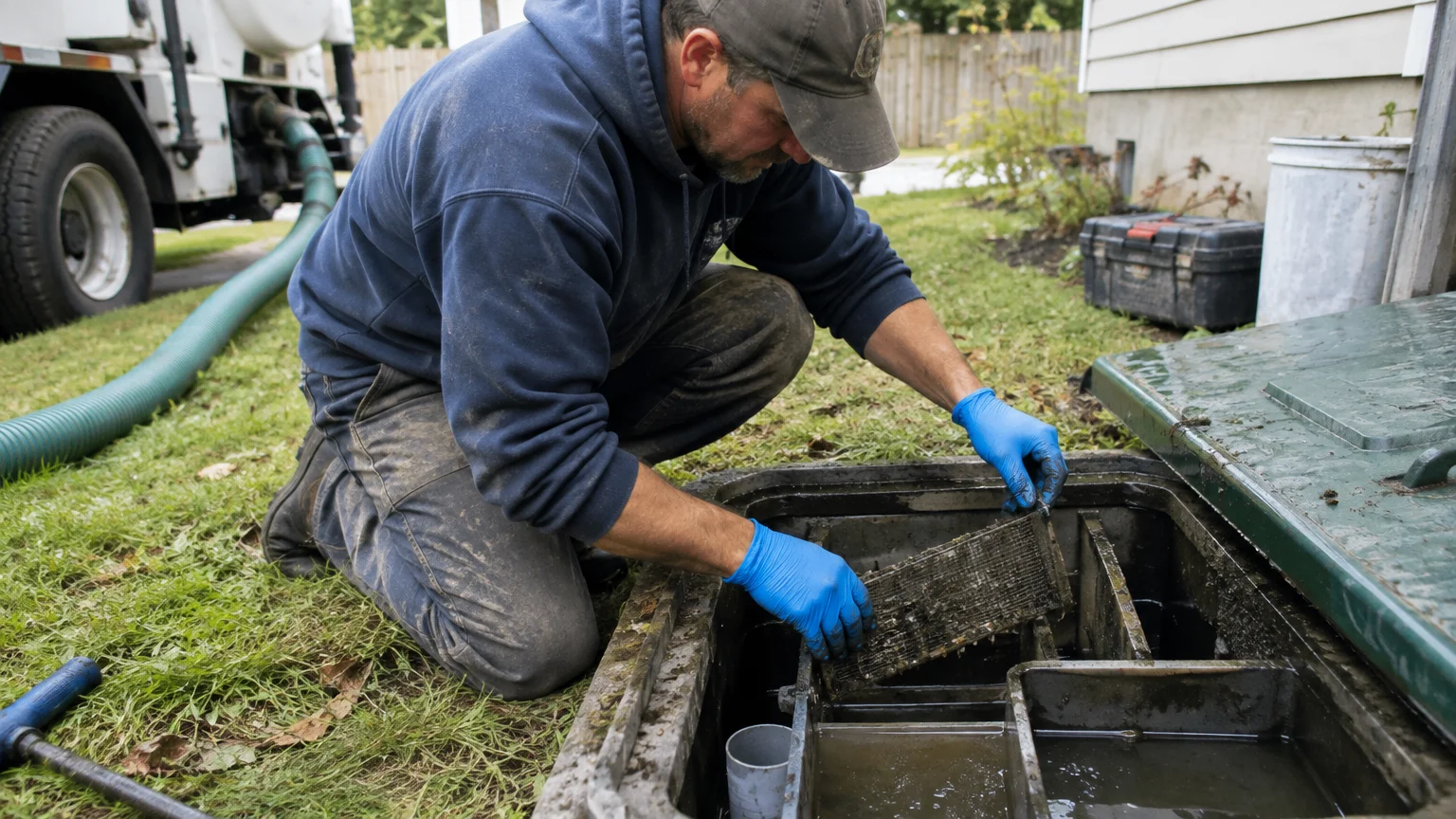
- What happens when a septic tank is full?
- What are the most common signs of a full septic tank?
- Why does a septic tank become full?
- Can a septic tank be full because of a clog?
- What should you do when your septic tank is full?
- When is a full septic tank an emergency?
- What happens during septic tank pumping?
- Can pumping fix every problem caused by a full septic tank?
- How much does septic tank pumping cost?
- How can you prevent a septic tank from becoming too full?
- Frequently Asked Questions
- Conclusion
What happens when a septic tank is full?
A full septic tank has less room to receive and treat new wastewater. Water from toilets, sinks, showers, and washing machines enters the tank. When sludge, scum, or liquid takes up too much room, the normal settling process works less well.
How a full tank affects wastewater flow
Wastewater may move through the tank too fast, or it may stop moving out. Solids can reach the outlet and enter the drain field. This may block open spaces in the soil and make it harder for the field to accept water.
A tank may also stay full because the outlet pipe is blocked. Pumping may give short-term relief in that case, but the blockage still needs attention. A broken pipe, failed pump, or wet drain field may cause similar signs.
The term septic tank means the buried container that receives household wastewater. A septic system includes the tank, pipes, soil treatment area, and other parts that move and treat water. This difference helps property owners understand why pumping may not fix every problem.
What homeowners may notice first
A slow toilet or poorly draining fixture may be the first warning. Several drains may become slow at the same time. One slow sink often points to a clog near that fixture instead.
Bubbling sounds may happen after a toilet flushes. Sewage smells near the tank or drain field are another warning. Septic Tank Pumping Rogers helps property owners tell whether the issue needs septic pumping, a clog check, or deeper system work.
What are the most common signs of a full septic tank?
Common signs include slow drains, gurgling pipes, sewage backups, bad smells, and wet ground near the system. One sign can have another cause, but several signs together need quick attention.
Slow drains, gurgling, and sewage backups
A full tank can slow wastewater across the property. Toilets may flush slowly or water may rise higher than usual. Showers may drain poorly, especially after several people use water close together.
Gurgling happens when air and wastewater struggle to pass through the pipes. It may happen after flushing, running a washer, or draining a tub. Sewage backing up into a shower or floor drain is a serious warning.
Useful signs to watch for include:
- Several fixtures becoming slow at the same time.
- Water rising in a toilet after another fixture runs.
- Gurgling sounds from toilets, sinks, or floor drains.
- Sewage or dirty water appearing inside the property.
Wet ground, odors, and unusually healthy grass
The drain field may show trouble when wastewater cannot spread through the soil. Wet spots, standing water, or a strong sewage smell may appear above or near the field. Grass may look very green because it receives extra moisture and nutrients.
These outdoor signs do not prove that the tank is full. Rain, broken water lines, poor grading, and irrigation can cause similar changes. Still, wet ground near the system needs a careful check.
Never touch sewage with bare hands. Keep children and pets away from wet areas until the cause is known. Septic Tank Pumping Rogers serves Rogers and nearby areas, including Downtown Rogers, Bentonville, Lowell, Cave Springs, and Pea Ridge. The team can help identify the next safe step.
Why does a septic tank become full?
A septic tank becomes full because of normal buildup or a flow problem. Sludge and scum collect over time. Extra water, blocked pipes, and poor drainage can make the tank fill or back up sooner.
Normal sludge and scum buildup
Sludge is the heavy solid layer at the bottom of a tank. Scum is the light layer that floats on top. Bacteria break down some waste, but they do not remove every solid.
As these layers grow, less working space remains for wastewater. Solids may then move toward the outlet. Regular septic tank pumping removes built-up solids before they cause flow trouble.
The right pumping schedule depends on tank size, household use, waste type, and system design. A busy home may need service sooner than a lightly used property. A septic professional can suggest a routine after checking the system.
Excess water use and restricted drainage
A large amount of water entering at once can strain a septic system. Several loads of laundry, long showers, leaking toilets, and running taps all add to the load. Spreading water use through the week may help the system keep up.
The soil treatment area may also drain poorly. Heavy rain, packed soil, tree roots, pipe damage, or a wet field can slow wastewater movement. The tank may then seem to fill quickly, even after recent pumping.
Do not drive over the drain field. Do not add soil, concrete, or buildings above it. These changes can limit air and water movement through the soil.
Can a septic tank be full because of a clog?
Yes. A clog can make a septic tank seem full because wastewater cannot move through the pipes. The blockage may be inside the home, in the inlet or outlet pipe, or farther along the system.
Household drain clogs versus septic system clogs
A household drain clog often affects one fixture. A plunger or simple drain cleaning method may help when the blockage is close to that fixture. Follow product directions, and never mix chemical drain cleaners.
A septic system clog often affects several fixtures. Toilets, showers, and sinks may slow together. Sewage may also back up through the lowest drain in the building.
Homeowners can check simple fixture problems safely. They should not open or enter a septic tank. Tanks can hold toxic gases and very little breathable air. Tank work belongs to trained professionals with the right equipment.
How outlet and inlet blockages affect the system
The inlet pipe carries wastewater into the tank. If it is blocked, waste may back up inside the building. The outlet pipe carries liquid toward the drain field. If it is blocked, the tank may stay high and wastewater may back up indoors.
Baffles and filters help control flow and keep solids from leaving the tank. A damaged baffle or a dirty outlet filter can cause trouble even when the tank is sound. A professional can check these parts during service.
What should you do when your septic tank is full?

When a septic tank seems full, reduce water use, stop using affected fixtures, and arrange a professional check. Early action can limit sewage exposure and protect floors, soil, plants, and the drain field.
Immediate steps to limit wastewater and damage
Stop laundry, long showers, dishwashing, and other high-water tasks. Ask everyone at the property to use as little water as possible. Do not flush toilets unless needed.
Keep people and pets away from sewage or wet ground. If sewage enters the home, avoid contact and improve airflow without spreading dirty water. Do not pour drain chemicals, bleach, or other products into the system.
A homeowner can note which fixtures are affected and check for a visible indoor leak. They can look for wet ground, odors, or unusually green grass outside. They should not dig for the tank, remove covers, or walk across a soft drain field.
What information to share with a septic professional
Useful details include the last pumping date, recent plumbing work, changes in household use, and the first sign noticed. The professional may also ask about a pump tank, alarm, garbage disposal, or recent heavy rain.
Clear details help the technician plan a safer inspection. Septic Tank Pumping Rogers can help Rogers homeowners explain the signs and decide whether septic tank pump services or another service is needed.
When is a full septic tank an emergency?
A full septic tank is urgent when sewage backs up, flows across the ground, enters a living area, or threatens a well or waterway. An alarm, failed effluent pump, or sudden loss of drainage also needs prompt help.
Situations that require prompt professional help
Call for help quickly when several fixtures back up or wastewater appears near the drain field. Act quickly when a basement drain overflows, a septic alarm sounds, or a strong sewage smell comes from inside.
A tank that was recently pumped but fills again soon may have a blocked outlet, broken pipe, failed pump, or drain field problem. Repeated pumping without finding the cause can leave the main issue in place.
Emergency pumping may help control a high tank level, but a professional must still look for the reason. Some companies offer 24/7 service for urgent septic problems, so ask about availability when sewage is backing up.
Health and property risks from sewage exposure
Raw sewage may carry harmful germs. It can damage floors, walls, furniture, plants, and soil. Children, older adults, pregnant people, and people with weak immune systems should avoid contact.
Do not wash sewage into a storm drain. Do not cover a spill with soil or let animals enter the area. A trained professional can explain safe cleanup after the plumbing problem is controlled.
What happens during septic tank pumping?
During septic tank pumping, a professional finds the access points, checks the tank and flow, removes liquid and solids, and looks for damage. The exact work depends on tank design, access, soil, and system condition.
How a professional assesses and pumps the tank
The technician first reviews the signs and checks the system layout. They may inspect the lid, inlet, outlet, baffles, filter, alarm, and visible pipe connections. The tank is then opened with safe equipment and pumped with a vacuum truck.
Pumping removes the tank contents so the technician can see inside more clearly. The work may reveal heavy sludge, thick scum, a broken baffle, roots, a blocked filter, or unusual liquid levels.
Access can affect the work. A buried tank may need careful digging. A tank under a driveway may need special planning. Keep cars and heavy equipment away from likely tank and drain field areas.
What the service may reveal about the system
An inspection may show that pumping was the main need. It may also find a leak, crack, inlet problem, outlet problem, or drain field concern. The professional should explain the findings in plain words.
Pumping a septic system does not clean every pipe or repair damaged soil. It removes tank contents, but the other parts must still work well. A service record can help with future maintenance and give buyers useful system history.
Can pumping fix every problem caused by a full septic tank?
No. Pumping can help when normal sludge and scum have filled the tank. It cannot repair broken pipes, failed pumps, damaged baffles, or a worn drain field. The cause must be found before the system is considered fixed.
Problems pumping can resolve
Pumping often helps when solids have built up through normal use. It may restore room for wastewater and reduce backups caused by a high tank level. It also lets a professional inspect parts hidden by liquid and solids.
A clogged outlet filter may be cleaned or replaced during service, depending on the system. A simple inlet or outlet blockage may also be cleared when the technician can reach it safely.
When inspections, repairs, or drain field work are needed
A septic inspection is important when signs return soon after pumping. The inspection may include pipes, baffles, pumps, alarms, distribution boxes, and the drain field. Soil failure or structural damage may need a separate repair plan.
Septic tank replacement is not always the first answer. The right option depends on tank material, system age, damage, soil, access, local rules, and wastewater use. Any needed permits or approvals should be confirmed with the local authority.
The terms cesspool and septic tank are sometimes treated as the same thing. They may not describe the same system. A cesspool can mean a pit that receives waste without the same treatment design as a modern septic system. Local rules and system records matter.
How much does septic tank pumping cost?
The final cost of septic tank pumping depends on tank size, access, location, material volume, travel needs, urgency, and problems found. Pumping is usually less involved than major drain field work, tank replacement, or large pipe repairs, but each property is different.
What factors influence the total cost
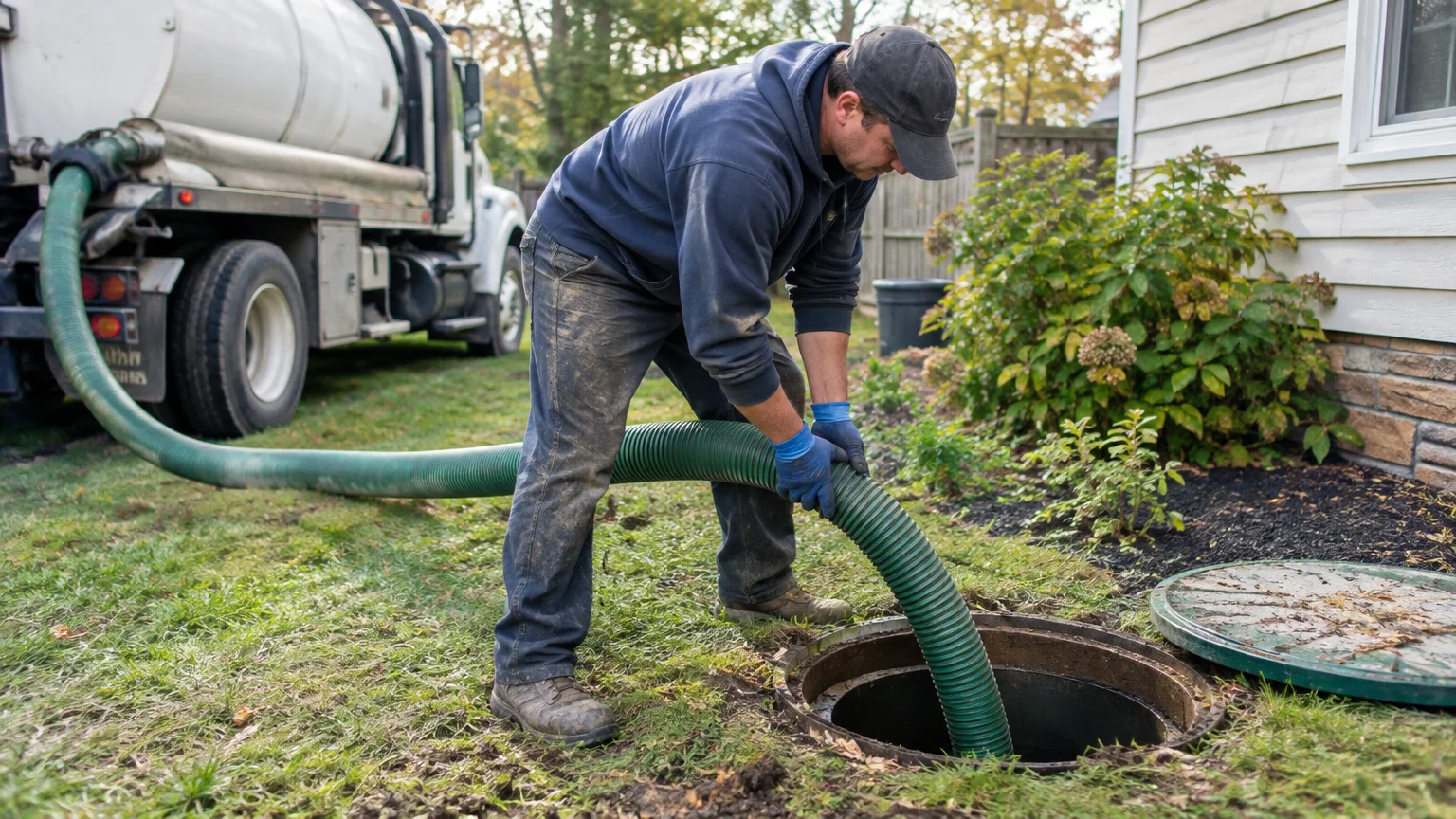
The work may take longer when the tank is hard to find, deeply buried, blocked, or under paving. Larger tanks and heavy buildup can also change the work involved. Emergency timing and difficult access may affect the final quote.
Ask what the service includes and whether inspection findings are explained. The final cost should be confirmed in a quote before added work begins. Tank size alone cannot provide a reliable estimate.
How pumping compares with related septic repairs
Routine pumping is usually less involved than replacing a tank, repairing a collapsed pipe, or restoring a failed drain field. Tank replacement may require digging, disposal, permits, and new pipe connections. Drain field work may involve soil, design, grading, and local approval.
The phrase cost to replace a septic system describes a much larger project than routine pumping. The cost to replace a septic tank also depends on materials, access, site conditions, and needed connections. A professional assessment is the best way to compare options.
How can you prevent a septic tank from becoming too full?
A good prevention plan includes regular pumping, careful water use, quick leak repairs, and proper waste disposal. Property owners should also learn where the tank and drain field are located before a problem starts.
A practical maintenance and water-use routine
Use water steadily instead of sending large amounts through the system at once. Repair leaking toilets and taps. Spread laundry across several days when possible, and use septic-safe cleaning habits.
Never flush wipes, paper towels, diapers, grease, paint, medicines, or harsh chemicals. A garbage disposal can add solids and may require closer maintenance. Keep gutters and sump pumps from sending extra water toward the drain field.
A useful routine includes:
- Keep records of pumping, inspections, repairs, and alarms.
- Protect the tank and drain field from vehicles and heavy structures.
- Check toilets and taps for hidden leaks.
- Watch for odors, wet ground, slow drains, and gurgling.
- Arrange professional help when several warning signs appear together.
Warning signs that should not be ignored
One slow drain may have a simple household cause. Several slow fixtures, sewage odors, wet ground, and repeated backups suggest a wider system problem. Early action can help limit damage to the home and drain field.
Septic Tank Pumping Rogers helps property owners across Rogers understand septic tank warning signs. Local soil, weather, system design, and property use can all affect how a septic system works in Rogers.
Frequently Asked Questions
What is a septic tank?
A septic tank is a buried container that receives wastewater from a property. Solids settle, light material floats, and liquid leaves through an outlet toward a drain field. The tank is only one part of a septic system. Pipes, soil, pumps, and treatment areas must also work properly.
How deep is a septic tank buried?
A septic tank may sit at different depths based on the property layout, soil, tank design, and local installation rules. Some access lids are near the surface, while others have more soil above them. A professional can locate the tank safely without guessing or unsafe digging.
What happens if a full septic tank is ignored?
Ignoring a full tank can lead to slow drains, sewage backups, odors, wet ground, and drain field damage. Solids may enter pipes or soil. Sewage can also create health and property risks. Prompt assessment helps show whether pumping alone will solve the problem.
How often should a septic tank be pumped?
There is no one schedule for every property. Tank size, household size, water use, garbage disposal use, and solids buildup all matter. A professional can suggest a routine after reviewing the tank and its history. Waiting for a backup is not a safe maintenance plan.
Can homeowners pump a septic tank themselves?
Homeowners can reduce water use, check simple leaks, record signs, and keep people away from sewage. They should not open or enter a septic tank. Toxic gases and low oxygen can cause sudden death. Pumping needs special equipment, training, and safe disposal methods.
Key Takeaways
- A full septic tank can cause slow drains, gurgling, odors, and sewage backups.
- Several affected fixtures often point to a septic system problem, not one sink clog.
- Reduce water use and keep people away from sewage until the system is checked.
- Pumping removes tank contents but cannot repair every pipe, pump, or drain field.
- Regular maintenance and early action can help protect the septic system.
Conclusion
Knowing what happens when septic tank is full helps property owners act before a warning becomes a major backup. A full tank may need pumping, but the cause could be a clog, broken pipe, failed pump, or drain field problem.
Homeowners can reduce water use and check simple leaks themselves. They should leave tank access, sewage cleanup, and system repairs to trained professionals. Contact us to discuss the signs and arrange the right next step for the property.