A full septic tank can cause slow drains, gurgling toilets, sewage odors, wet ground, or backups. These signs may also point to a clog or drainfield problem. Limit water use and arrange a professional check as soon as possible. Quick action can protect your Rogers property and help prevent greater damage.
Table of Contents
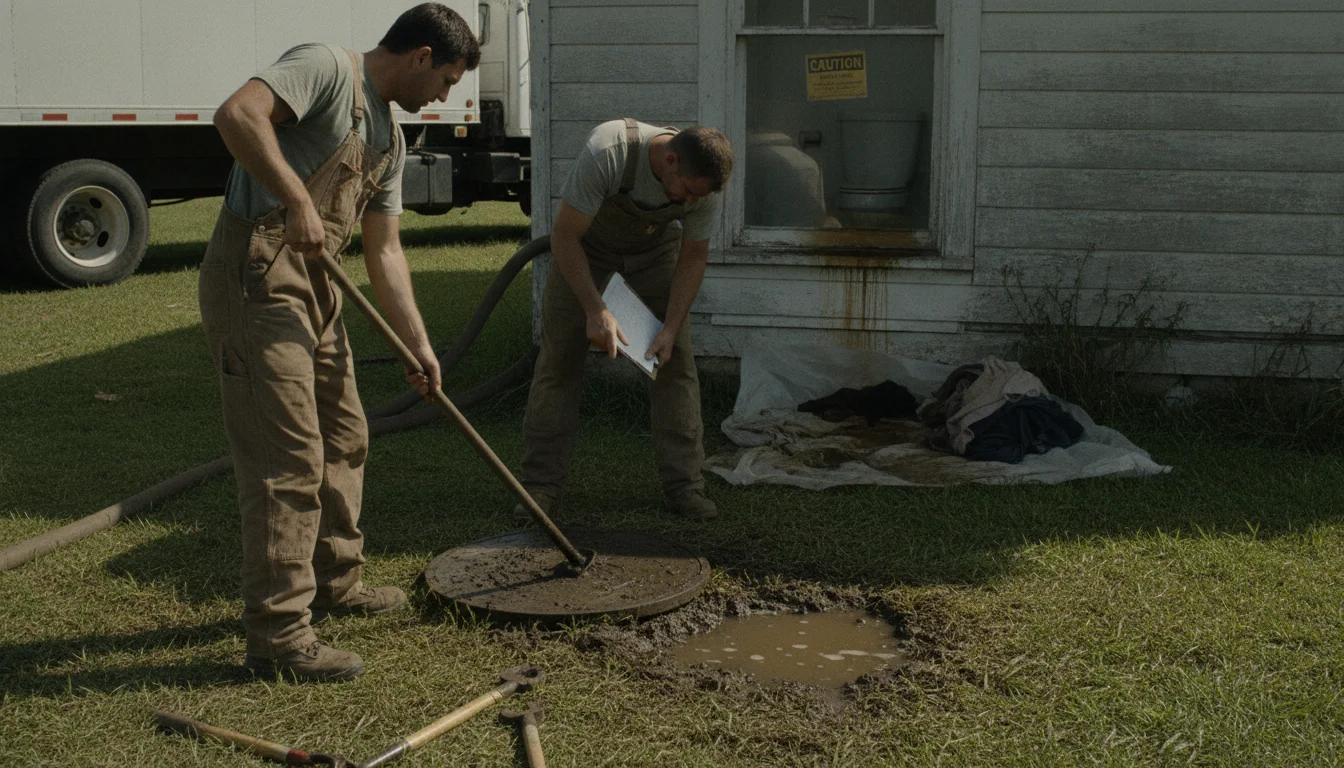
- What does a full septic tank mean?
- What are the most common signs of a full septic tank?
- Why does a septic tank become full?
- Could a clog or drainfield problem look like a full septic tank?
- What should someone do when a septic tank seems full?
- When is a full septic tank an emergency?
- How can a septic tank be kept from becoming full again?
- Key takeaways
- Frequently Asked Questions
- Conclusion
What does a full septic tank mean?
A full septic tank holds too much liquid and solid waste for normal flow. In many cases, the tank has reached the point where pumping is needed. Still, the same signs can come from a blocked pipe, a damaged inlet, a failing drainfield, or high groundwater.
A septic tank is a buried container that holds household wastewater. Heavy solids settle as sludge. Lighter grease and waste float as scum. Liquid wastewater stays between these layers. Helpful bacteria break down some waste before the liquid moves to the drainfield.
How does a normal septic tank work?
Wastewater from toilets, sinks, showers, and laundry flows into the tank. A baffle slows the flow and helps keep floating waste from leaving too soon. The tank then sends liquid effluent to the drainfield. Soil in this area filters and absorbs the liquid.
The tank does not make all waste disappear. Sludge and scum continue to build up. Pumping removes these layers before they block the outlet or enter the drainfield. Property owners should see pumping as normal maintenance, not proof that the whole system has failed.
How can someone tell a full tank from a plumbing problem?
A full tank often affects several drains at once. One slow sink may point to a local drain clog instead. If toilets, showers, and floor drains slow down together, the septic system needs attention.
The location of the trouble can also offer clues. A backup near the tank may involve the inlet or outlet pipe. Wet soil near the drainfield may show poor absorption. Septic Tank Pumping Rogers helps property owners understand these differences before the problem grows.
What are the most common signs of a full septic tank?
Common signs include slow drains, gurgling toilets, sewage odors, backups, wet ground, and fast-growing grass near the tank or drainfield. One sign alone does not prove the tank is full. Several signs appearing together mean that professional help is needed soon.
A full tank may first cause small changes in daily plumbing. Water may drain more slowly after showers. A toilet may bubble when another fixture runs. These early warnings can appear before sewage reaches the floor.
What do slow drains, gurgling, and sewage backups mean?
Slow drains throughout the home often mean wastewater cannot leave the septic system freely. Gurgling happens when air moves through a restricted pipe. A sewage backup means wastewater is moving in the wrong direction and needs quick attention.
The lowest drain in the home may show trouble first. This could be a basement floor drain, shower, or utility sink. Continued flushing or running water can push more wastewater into the building. Household members should limit water use until the cause is known.
Can odors, wet ground, or healthy grass signal trouble?
Yes. A strong sewage smell near the tank, drainfield, or plumbing may show that waste gases or wastewater are escaping. Wet, soft soil can mean the drainfield cannot absorb liquid well. Grass that grows much faster in one area may receive extra moisture or nutrients.
These signs matter even when indoor plumbing still works. Outdoor symptoms can point to a system close to failure. Children and pets should stay away from wet areas because wastewater may contain harmful germs.
Why does a septic tank become full?
A septic tank becomes full when solids build up, the tank goes too long without pumping, or wastewater cannot leave through the outlet and drainfield. Missed maintenance is a common cause. Other causes include heavy water use, more occupants, damaged pipes, and soil that cannot absorb liquid.
A tank reaches a normal liquid level during daily use. The concern starts when sludge and scum take up too much space. This leaves less room for new wastewater and makes backups more likely.
What are the most likely causes, ranked by probability?
The most common causes usually appear in this order:
- Missed or delayed pumping: Solids have filled too much of the tank.
- Higher household use: More residents, guests, laundry, or long showers add liquid faster.
- A blocked inlet or outlet: A pipe or baffle stops normal flow.
- Drainfield trouble: Saturated soil cannot accept wastewater.
- Groundwater or stormwater entry: Extra water enters through cracks or poor seals.
- A damaged tank or pipe: Breaks, roots, or shifting soil affect system flow.
This ranking is only a starting point. It is not a diagnosis. A professional must check the tank, pipes, baffles, and drainfield before choosing a repair.
How do water use and solids affect tank capacity?
Every flush and drain adds liquid to the system. Solids build up more slowly, but they do not leave through the drainfield. Flushable wipes, grease, paper towels, and other wrong items can add waste or cause blockages.
A growing household may need a different care plan than a small household. A rental property, vacation home, or busy business may also have changing use patterns. Property owners can share these details with Septic Tank Pumping Rogers to help guide the inspection.
Could a clog or drainfield problem look like a full septic tank?
Yes. A clog or drainfield problem can look almost the same as a full septic tank. Slow fixtures, odors, and backups only show that wastewater is not moving correctly. They do not identify the failed part.
The right fix depends on the cause. Pumping may solve a tank with excess sludge, but it will not repair a crushed pipe or saturated drainfield. Guessing can lead to repeated backups and more damage.
What are signs of a blocked pipe or inlet?
A blocked inlet may cause backups soon after water enters the system. A blocked outlet can make the tank appear full even when it was pumped recently. Roots, settled soil, grease, and unsuitable items can restrict a pipe.
A professional may inspect access points and check the tank inlet and outlet. Property owners should not enter a septic tank or lean over an open lid. Dangerous gases can collect inside, and the walls may be slippery.
What are signs of drainfield failure or groundwater problems?
Drainfield trouble often causes soggy ground, sewage odors, or wastewater above the trenches. It may also cause repeated backups after pumping. Heavy rain or a high water table can make symptoms worse by leaving too little room for new effluent.
The drainfield is the part of the system that receives and filters liquid wastewater. If its soil stays saturated, liquid cannot move away at a safe rate. Drain Field Repair or septic system repair may be needed after the cause is confirmed.
What should someone do when a septic tank seems full?
The first step is to reduce water use and arrange a professional inspection. Household members should stop laundry, dishwashing, long showers, and needless toilet flushing. They should also keep people and pets away from sewage or wet ground.
Property owners should not pour drain chemicals into the system. These products can harm useful bacteria, damage pipes, or hide the real problem. Owners should also avoid digging for the tank lid without knowing where underground pipes and utilities are located.
What immediate steps can limit damage?
The following steps can help protect the property while help is arranged:
- Stop using water unless a health or safety need requires it.
- Keep children, pets, and visitors away from sewage or soft ground.
- Turn off pumps only when a qualified professional gives that direction.
- Do not open, enter, or inspect the tank yourself.
- Move stored items away from a possible indoor backup.
- Note when the symptoms began and which fixtures are affected.
If sewage has entered the home, the affected area needs careful cleaning and safe handling. Porous items may need removal. A professional can explain the next safe step.
What information should be given to the septic professional?
Useful details include the last known pumping date, recent storms, household changes, unusual water use, and past repairs. The owner should explain whether one fixture or several fixtures are slow. Photos of outdoor wet spots can also help if taken from a safe distance.
The address and property history help the professional plan access. In some homes, old records show the tank location, lid location, or drainfield layout. If records are missing, a professional can help locate the septic tank without unsafe digging.
When is a full septic tank an emergency?
A full septic tank becomes an emergency when sewage backs up into the home, wastewater appears outdoors, or the system threatens people, pets, wells, or nearby waterways. Urgent service is also wise when several drains stop working or a pump alarm sounds.
Sewage exposure can spread harmful organisms. Standing wastewater can damage floors, walls, insulation, and stored items. Delaying service can turn a pumping need into a larger system repair.
Which situations need urgent septic service?
Urgent help is appropriate when any of these conditions occur:
- Sewage enters a bathroom, basement, crawl space, or living area.
- Wastewater pools near the tank, drainfield, well, or property line.
- A toilet overflows when another fixture runs.
- A high-water alarm or septic pump alarm remains active.
- Strong sewage odors continue after water use stops.
- The property has tenants, guests, children, older adults, or people with health concerns.
A business owner should also act quickly if a septic issue affects restrooms, food areas, or customer access. The property may need temporary limits on use until the system is safe.
What health and property risks should be avoided?
No one should touch sewage without proper protection and cleaning guidance. People should not walk through contaminated water or track it into clean rooms. Food, toys, fabrics, and personal items exposed to wastewater may need special handling.
A failing system can also harm soil and nearby water. Surface wastewater should never be sent toward a storm drain. The safest choice is to limit contact, stop extra water use, and arrange qualified septic service.
How can a septic tank be kept from becoming full again?
Regular pumping, careful water use, and proper waste disposal can help prevent another full septic tank. The right schedule depends on tank size, household size, wastewater volume, and the amount of solids produced. A septic professional can suggest a plan after checking the system.
Routine care protects more than the tank. It also helps protect the inlet, outlet, pump, pipes, and drainfield. Records of pumping and repairs make future inspections easier, especially when a property changes owners.
How do pumping schedules and maintenance habits help?
Property owners should track pumping dates instead of waiting for a backup. A new homebuyer should ask for septic records and learn where the tank and drainfield are located. A professional can inspect the system when the property is purchased or when symptoms appear.
The tank lid should remain easy to reach, but it must stay secure. Heavy vehicles, sheds, pools, and deep-rooted plants should stay away from the tank and drainfield unless a qualified expert approves them. These areas need protection from weight and root damage.
Which water-use changes and items should stay out?
Small changes can reduce stress on the system. Families can repair leaking fixtures, spread laundry across the week, and avoid running several high-water appliances together. They should also use toilets and drains only for materials meant to go there.
Items that should stay out include:
- Grease, cooking oil, and fats.
- Paper towels, wipes, and hygiene products.
- Paint, solvents, pesticides, and harsh chemicals.
- Coffee grounds, cat litter, and food scraps.
- Medication and other household waste.
These habits do not replace pumping. They simply help the system work as designed. Septic Tank Pumping Rogers serves property owners throughout the main Rogers area, from Downtown Rogers to Bentonville, Lowell, Cave Springs, Pea Ridge, and nearby communities with septic tank pumping, inspections, and repair support.
Key takeaways
- A full septic tank can cause slow drains, odors, gurgling, and sewage backups.
- The same signs may come from a clog, damaged pipe, or failing drainfield.
- Limiting water use can reduce damage while help is arranged.
- People should never enter a septic tank or handle sewage without proper safety steps.
- Regular pumping and careful waste disposal help protect the whole septic system.
Frequently Asked Questions
How often should a septic tank be pumped?
There is no single schedule for every property. Tank size, household size, water use, and waste habits all affect how quickly solids build up. A professional can recommend a schedule after reviewing the system and its records. Owners should not wait for sewage backups, odors, or slow drains before seeking advice.
Can a septic tank be full but still drain normally?
Yes. A tank can have a high solids level while indoor plumbing still seems normal. Early problems may appear outside as odors, wet soil, or unusually fast grass growth. Regular inspections and pumping help find the issue before the tank reaches a backup stage.
How can someone find a buried septic tank?
Records, permits, inspection reports, and visible pipe paths can help locate a buried tank. A professional may use safe probing or locating tools. Property owners should avoid random digging because underground utilities, pipes, and the tank lid may be damaged.
How deep should a septic tank be?
Tank depth varies by property design, soil, local rules, and the system's age. The lid may sit near the surface or several feet below ground. A professional can locate the lid safely and recommend a secure access cover without guessing from one property to another.
Can pumping fix every full septic tank problem?
No. Pumping removes built-up sludge and scum, but it cannot repair a crushed pipe, broken baffle, failing pump, or damaged drainfield. If symptoms return soon after pumping, the system needs a fuller inspection. Repeated pumping without finding the cause may delay the right repair.
Conclusion
A full septic tank is a warning, not a problem to ignore. Slow drains, odors, wet ground, and backups can signal excess solids, a clog, or drainfield trouble. Reducing water use and arranging a proper inspection can protect the home and limit further damage.
Septic Tank Pumping Rogers helps property owners with septic tank pumping and related problems. Contact us to arrange the next step for your property in Rogers.
If you are not sure which of these you are dealing with, it is worth having someone look at it before it turns into a bigger job. Find out more about our septic tank pumping in Rogers. Get in touch with Septic Tank Pumping Rogers today and we will tell you where you stand.