The right answer to how often septic pumping is needed depends on your tank, household, and water use. Many homes need service every three to five years, but some need it sooner. An inspection can show when pumping is due and help prevent backups, odors, drainfield damage, and health risks.
Table of Contents
- How often should a septic tank be pumped?
- Can homeowners handle septic tank maintenance themselves?
- What steps should you follow to plan septic pumping?
- What can go wrong when septic pumping is delayed?
- How do household size and water use affect pumping frequency?
- When should you call a septic tank professional?
- What are the key takeaways for septic tank maintenance?
How often should a septic tank be pumped?
Most homes should plan septic pumping every three to five years. This range is only a starting point. A large family, a small tank, or heavy water use can shorten the time between visits. A home with light use may go longer, but an inspection should support that choice.
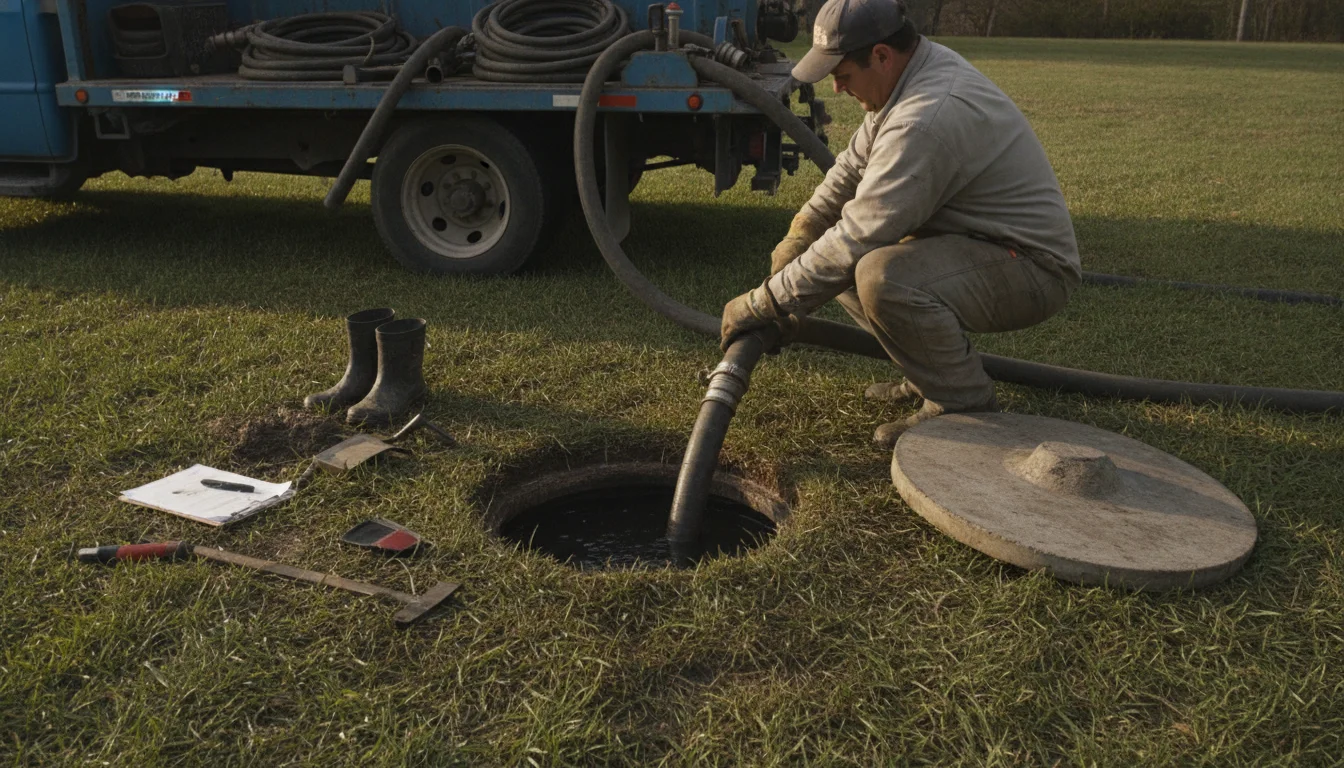
A septic tank is an underground container for household wastewater. It separates waste into liquid, scum, and solids. Helpful bacteria break down some waste, but they do not remove it all. Sludge settles at the bottom, while scum floats on top. Pumping removes these layers before they move into the drainfield.
What determines your septic pumping schedule?
Tank size, household size, and daily water use all affect the schedule. The type of waste also matters. Garbage disposals, many laundry loads, and long showers can send more solids and water into the system.
The age of the system and past service records matter too. Older systems may need closer checks. A home with slow drains, backups, or drainfield trouble may need a different plan than a well-kept system.
Why the standard three-to-five-year guideline can vary
The three-to-five-year range is not a promise for every home. It is a useful starting point for many families. The safest schedule comes from checking the tank and measuring the sludge and scum during an inspection.
Septic Tank Pumping Rogers helps property owners understand these differences. Keeping service records can prevent missed visits. Records also help a new owner learn the system’s needs after buying a home in Rogers.
Can homeowners handle septic tank maintenance themselves?
Homeowners can handle simple care tasks, but they should never open, enter, inspect, or pump a tank themselves. Septic tanks may contain toxic gas and unsafe covers. They can also create a serious fall risk. Pumping needs proper tools and safe waste handling.
Routine care starts with knowing where the tank and drainfield are located. Keep a simple site map with the tank, lids, pipes, and drainfield marked. This helps future workers and lowers the risk of damage during landscaping or building work.
Maintenance tasks property owners can safely manage
Spread laundry across the week instead of running many loads in one day. Fix leaks quickly because a running toilet or dripping faucet can send steady water into the tank. Water-saving fixtures can also reduce stress on the system.
Useful home care tasks include:
- Keep vehicles and heavy equipment away from the tank and drainfield.
- Keep trees and deep-rooted plants away from septic pipes and treatment areas.
- Do not flush wipes, paper towels, grease, paint, or harsh chemicals.
- Keep notes about inspections, pumping, repairs, odors, and other concerns.
- Protect access lids and tell future owners where they are located.
Why tank opening, inspection, and pumping require professionals
A septic tank can contain gases that are harmful or deadly. Never climb into a tank or lean over an open opening. Children and pets should stay away from uncovered or damaged lids. Even a strong-looking cover may be unsafe.
Professional septic tank pumping uses equipment made to remove sludge and scum. The visit may also include checks of the tank, inlet, outlet, baffles, and access points. When Septic Tank Pumping Rogers serves Rogers, property owners can ask what the visit includes and what the technician found.
What steps should you follow to plan septic pumping?
A good plan starts with records, a property review, and an inspection. You do not need to guess from odors or slow drains alone. Those signs may point to a full tank, a blocked pipe, a failing pump, or another issue.
Planning early is safer than waiting for wastewater to back up. It also gives you time to clear access to the tank. Tell the technician about recent changes, such as more people moving into the home.
How to review household use and maintenance records
First, look for the latest pumping date. Check closing papers, old invoices, inspection reports, and notes from the former owner. If no record exists, treat the service history as unknown and arrange an inspection.
Next, review how the home is used now. Note the number of residents, regular guests, laundry habits, garbage disposal use, and leaks. A change from two residents to five may make the old schedule unsuitable.
How to arrange an inspection and schedule pumping
Before the visit, find the tank location if possible. Clear soil, leaves, stored items, and other barriers from the access area. Tell the professional about slow drains, odors, wet ground, sewage backups, or recent plumbing work.
The professional can then check whether pumping is due. Ask when the next check should happen and whether the lids need repair. Ask if any drainfield concerns were found. Keep these answers with your property records.
What can go wrong when septic pumping is delayed?
Delayed pumping lets sludge and scum build up. When the tank becomes too full, solids may leave through the outlet and enter the drainfield. They can block soil pores and make it harder for the drainfield to accept wastewater.
The first warning may be a slow drain, a gurgling toilet, or an odor near the tank. Do not ignore these signs. A system can have serious trouble before wastewater appears inside the home.
Signs that the tank may be too full
Common signs include:
- Several drains become slow at the same time.
- Toilets gurgle when sinks, showers, or washing machines run.
- Sewage odors appear indoors or near the tank or drainfield.
- Grass grows faster or looks darker over part of the drainfield.
- Wet, soft, or unusually green ground appears near the system.
- Wastewater backs up into a shower, floor drain, or toilet.
One sign does not prove that pumping is the only answer. A blocked pipe, broken baffle, damaged pump, or saturated drainfield can look similar. An inspection can separate a full tank from a larger system problem.
How neglected pumping can damage the drainfield and property
The drainfield receives treated liquid from the tank. It lets soil filter that liquid as it moves through the ground. When solids reach this area, they may clog the soil and cause wastewater to rise. Repairs may then involve more than routine septic tank pumping.
Sewage near a home can create health risks. It can also damage floors, walls, landscaping, and personal items. A failed system may cause problems during a sale or rental inspection. Prompt service gives Rogers property owners a better chance to address small issues early.
How do household size and water use affect pumping frequency?
A larger household usually fills a septic tank faster than a smaller one. More people mean more toilet use, showers, laundry, and dishwashing. Tank size must also match the home’s use. A small tank may need more frequent service, even when it is well cared for.
Water use affects the system in two ways. It adds liquid to the tank and can stir settled solids. Large amounts of water moving through the tank may carry solids toward the drainfield before they settle.
How occupancy and tank size change the timeline
Review the pumping schedule after a major change in occupancy. New tenants, a growing family, frequent guests, or a home business can raise water use. A vacation home may have lighter use, but long periods without use do not remove the need for inspections.
Tank size is another key detail. Two homes with the same number of residents may need different schedules if their tanks differ in size. The safest answer comes from system records and an inspection, not from comparing your home with a neighbor’s.
How laundry, garbage disposals, and leaks add to solids buildup
Many laundry loads in one day can send a large surge of water into the system. Spreading loads through the week gives the tank and drainfield more time to handle the flow. A garbage disposal can add food solids, so homes that use one may need closer checks.
Leaks are easy to miss. A running toilet can send much more water into the system than expected. Dripping faucets, leaking outdoor lines, and faulty water softeners can add flow too. Fixing leaks protects the septic system and reduces wasted water.
When should you call a septic tank professional?
Call a professional when the tank is due for service, the service history is unknown, or warning signs appear. Emergency pumping may be needed when sewage backs up into the home or wastewater reaches the yard. Waiting can increase damage and reduce repair choices.
A professional can also help when you cannot find the tank or lid. The tank may be below soil, grass, gravel, or a patio. Do not dig near pipes or utility lines without knowing where they are located.
Urgent warning signs that need prompt service
Call for prompt help when wastewater backs up, strong sewage odors continue, or several drains stop working. Wet ground near the drainfield is another reason to act quickly. Keep children and pets away from sewage and open or damaged lids.
Seek help after heavy rain if the system stays wet, slow, or backed up. Rain can reveal a weak drainfield, but it may not be the root cause. The visit should check both the tank and the surrounding system.
Situations that call for an inspection before pumping
An inspection is wise when the tank location is unknown, the system has no records, or the property is changing hands. It can also help before adding a bedroom, finishing a basement, installing a pool, or planning major landscaping.
Some owners ask how deep a septic tank should be or how to find a buried septic tank. Depth varies by soil, design, property, and local installation methods. A professional can locate access points more safely and explain whether a riser or cover repair is needed.
What are the key takeaways for septic tank maintenance?
The safest answer to how often septic pumping is needed comes from the tank’s condition and the home’s actual use. Many households start with a three-to-five-year plan, then adjust it after inspections. Careful water use, reminders, and quick action can help protect the tank and drainfield.
Septic Tank Pumping Rogers provides septic tank pumping and related septic services for property owners in the Rogers area. Service may involve pumping, inspection, repair, or advice about a changing household. Nearby communities may also have different soil and system conditions, so each property needs its own review.
- Begin with a three-to-five-year planning range, then confirm it with an inspection.
- Pumping needs may change after household size or water use changes.
- Keep vehicles, deep-rooted plants, and harmful waste away from the system.
- Treat odors, slow drains, wet ground, and backups as warning signs.
- Keep clear records of pumping, inspections, repairs, and tank location.
How to create a practical pumping reminder
Choose a reminder date soon after each service visit. Record the date, tank size, access location, and service notes in a home file. Set another reminder several months before the planned interval. This gives you time to arrange an inspection.
Update the reminder after major changes. More residents, a new garbage disposal, repeated leaks, or slow drains may call for an earlier review. A simple record helps homeowners, tenants, investors, and future buyers understand the system.
Questions to ask before booking septic service
Ask whether the visit includes an inspection and what access must be cleared. Tell the professional about odors, slow drains, wet ground, or recent plumbing work. It also helps to ask what records are needed and when the next check may be due.
Contact us today to arrange septic tank pumping or discuss a septic concern with Septic Tank Pumping Rogers.
Frequently Asked Questions
How do septic systems work?
A septic system sends household wastewater into an underground tank. Solids settle, fats and oils rise, and liquid flows toward the drainfield. Soil filters the liquid as it moves through the ground. Regular inspections and pumping help keep solids out of the drainfield.
How can someone find a septic tank lid?
Check inspection records, installation papers, property plans, and visible pipe lines. Lids may sit below grass, soil, gravel, or landscaping. A professional can help locate the tank without unsafe digging. Never open or enter a tank without trained help.
Does a garbage disposal change septic pumping needs?
It can. A garbage disposal sends food scraps and extra solids into the septic tank. These solids may build up faster than they would in a home without a disposal. Use the disposal carefully, keep grease out of the drain, and ask whether the schedule should change.
Can a septic tank be pumped too often?
Routine pumping is not usually harmful to a properly designed system, but the schedule should match the property’s needs. Very frequent service may mean the tank is small, use is heavy, or another problem exists. An inspection can help explain why the tank fills sooner than expected.
What is the difference between septic pumping and septic repair?
Pumping removes sludge and scum from the tank. Repair addresses damaged or failing parts, such as pipes, baffles, pumps, lids, or drainfield parts. Pumping may be part of a repair visit, but it does not fix every septic problem. Warning signs need a full evaluation.
If you are not sure which of these you are dealing with, it is worth having someone look at it before it turns into a bigger job. Find out more about our septic tank pumping in Rogers. Get in touch with Septic Tank Pumping Rogers today and we will tell you where you stand.