Ever flush a toilet and hear a long gurgle after, or catch a sour, sewer-like odor in the yard? Those are classic symptoms of full septic tank issues—either the tank is operating at the normal effluent level or it’s actually overfull from sludge, scum, or a blockage. The difference matters, because a truly overfull tank or blocked outlet leads to slow drains, odors, soggy ground over the drainfield, and in urgent cases, backups.
Septic Tank Pumping Rogers serves homes and businesses across Rogers and nearby communities. This guide explains how to spot problems quickly, what the signs mean, and when to schedule Septic Tank Pumping, a Septic Inspection, or Septic System Repair.
Key Takeaways
- A normal tank stays “full” to the outlet with effluent; overfull means excessive sludge, scum, or a blockage.
- Top symptoms of full septic tank: slow drains, gurgles, odors, soggy or lush areas over the drainfield, and any sewage backup.
- Act fast on backups or standing water; those are urgent. Reduce water use and arrange professional service.
Table of Contents
- Quick answer: what a “full” septic tank really means and the top symptoms
- Slow drains and gurgling fixtures
- Sewage odors indoors or around the yard
- Lush grass, soggy soil, or standing water over the drainfield
- Toilet troubles and sewage backups
- Root causes ranked by probability
- What to do next: DIY checks, professional help, and prevention
- Frequently Asked Questions
- Key takeaways
- Conclusion
Quick answer: what a “full” septic tank really means and the top symptoms
A septic tank is a buried, watertight container that receives household wastewater. Solids settle as sludge on the bottom, oils and grease form a scum layer at the top, and the middle liquid—effluent—flows out to the drainfield, where soil provides treatment. A healthy system remains “full” at the outlet level between routine pump-outs. An overfull tank occurs when sludge or scum grow too thick or when effluent can’t exit, triggering telltale symptoms.
Most people first notice everyday clues: drains slow, sinks gurgle, a toilet struggles to clear, or the lawn gets soggy above the drainfield. A strong sewer odor may follow showers or laundry. These symptoms point to restricted or overloaded flow. The solution could be Septic Tank Pumping, an effluent filter cleaning, line clearing, or—in some cases—addressing a tired or clogged drainfield. Below are the most common symptoms of full septic tank and how to read them.
A quick way to judge urgency is to match signs with timing. If sewage is backing up or you see standing water by the tank or drainfield, treat it as urgent. If drains only slow after heavy use, the system may be nearing its limit but not failing. One timely Septic Inspection can sort this out and help protect the drainfield.
- Watch for these early symptoms of full septic tank: slow drains, fixture gurgles, sewer odors, wet or greener strips over the field, and any toilet that needs more than one flush.
Slow drains and gurgling fixtures
Slow drains signal wastewater isn’t moving as it should. Gurgling indicates trapped air seeking an escape path. In a healthy setup, air vents through a roof stack. When the outlet is restricted or the tank can’t discharge normally, air burps up through traps and produces noise—often first in the home’s lowest fixtures, such as a basement tub or first-floor shower.
The most likely cause is sludge buildup in the tank and at the outlet, or a clogged effluent filter. The effluent filter sits at the tank outlet to keep solids from reaching the drainfield. When it clogs, effluent can’t leave fast enough, so fixtures slow and gurgle. Heavy water use can exaggerate the effect; running the dishwasher, laundry, and showers together can hydraulically overload the system.
Start with simple checks. Confirm fixture traps contain water and that roof vents aren’t blocked by leaves. Temporarily reduce water use for 24–48 hours—spread laundry loads across the week and shorten showers. If drains improve, your system may be near capacity. If gurgling persists or spreads, schedule Septic Tank Pumping and a filter cleaning. A quick Septic Inspection can also find a pipe sag (a “belly”) or a partial clog from wipes.
It becomes urgent when more than one fixture backs up at once, when a toilet bubbles as a nearby sink drains, or when gurgling is accompanied by sewer odor. That pattern suggests a blockage near the tank or a full main line. In that case, pause nonessential water use and arrange Septic Services to head off a backup before it reaches living spaces.
Sewage odors indoors or around the yard
Sewer-like odors are a clear red flag. Indoors, they often stem from a dry trap, a loose toilet wax ring, or a blocked vent stack. Outdoors, odors near the tank lid or over the drainfield suggest effluent isn’t soaking into the soil as intended. In both cases, smells develop when sewer gas escapes instead of venting above the roofline.
Common septic causes include an overdue pump-out or a clogged effluent filter. As solids rise, gas builds and follows the easiest escape route. Hydraulic overload from long showers or back-to-back laundry can worsen it. Less common are a cracked tank lid, damaged baffles (which guide flow within the tank), or root intrusion at the outlet line. The U.S. Environmental Protection Agency explains how properly maintained tanks, baffles, and soil treatment manage wastewater and control odors in its Septic Systems Overview (EPA).
Act now by refilling dry traps—run water in seldom-used sinks and floor drains. Check whether the roof vent is iced over in winter or blocked by debris and clear it safely from the ground. Outside, note any soggy patches or green stripes over drainfield lines. Reduce water use to give the system a break. If odor persists, arrange Septic Tank Pumping and ask to have the effluent filter cleaned and baffles checked.
Odor combined with wet soil or standing water is urgent, as is indoor odor with visible moisture at a floor drain or toilet base. Those signs can indicate wastewater isn’t moving or that a line has failed. Keep people and pets away from wet spots. Avoid contact with the water. Then arrange Septic System Repair to assess lines and lids and protect the drainfield.
Lush grass, soggy soil, or standing water over the drainfield
A drainfield (also called a leach field) distributes effluent through perforated pipes so soil can treat it. When the field is healthy, the yard above looks like the rest of the lawn. A soggy patch, bright green stripes, or standing water over the trenches means the soil isn’t accepting effluent at a normal rate.
The most likely cause is high sludge in the tank pushing solids into the field. Solids clog soil pores and reduce absorption. Another common issue is a clogged effluent filter that causes liquid to back up toward the tank and inlet line. Heavy rainfall, poor grading, and downspouts aimed at the field can also overwhelm the area. Less common problems include crushed laterals, root intrusion, or a drainfield that has reached the end of its useful life.
Walk the area carefully—do not dig or drive on the drainfield. Note any odors, soft ground, or unusually lush growth. Redirect downspouts away from the field and pause irrigation. Inside the home, spread out water use for a few days. If wet soil persists during dry weather, schedule a Septic Inspection. A technician may open the tank, measure sludge and scum layers, and test outlet flow. If pumping is due, Septic Tank Pumping and a filter cleaning help protect the drainfield.
It’s urgent when you see standing water over the field on dry days or when footprints fill with effluent after you step. Keep people and pets away. Avoid mowing saturated areas to prevent splashing. In many cases, prompt pumping and filter service can stop backflow. If the soil is clogged, Septic System Repair may be needed to restore flow; in rare cases, Septic System Installation may be discussed.
Toilet troubles and sewage backups
Toilet issues are often the clearest early warning. A healthy system clears a flush reliably. If a toilet needs two flushes, bubbles while a nearby sink drains, or refills slowly, the line could be restricted. If sewage rises in a tub or floor drain after flushing, the blockage is likely beyond the toilet but before the tank outlet, or the tank is overfull. These toilet problems are among the most obvious symptoms of full septic tank or a blocked outlet.
The most likely cause is overdue pumping. As sludge rises, the outlet can’t keep pace. Toilet paper and wipes catch on rough spots, creating a plug. A clogged effluent filter produces similar effects—the tank fills faster than it can drain, pushing waste back toward the house. Other contributors include foreign items flushed by mistake and a tank that’s undersized for the household’s water use.
What to do now: pause heavy water use. Do not keep flushing to “clear” a clog if waste is returning. Check nearby fixtures; if a shower or sink is also slow, the issue likely sits at or beyond the toilet branch. If only one toilet misbehaves while others are fine, the blockage may be local to that line. In many cases, prompt Septic Tank Pumping plus a filter cleaning restores normal flow.
Treat it as urgent when sewage backs into tubs or floor drains or when multiple bathrooms fail at the same time. That pattern points to a main line or outlet problem, not just a single toilet clog. Keep children and pets away from spills. Clean small spills using protective gear. If a larger spill occurs, arrange emergency Septic Services in Rogers to limit property damage and protect health.
Root causes ranked by probability
Most septic symptoms trace back to a small set of causes. Understanding what’s most likely helps you act quickly and avoid bigger repairs.
Most common causes:
- Sludge buildup: Over time, solids accumulate in the tank. If not pumped on schedule, sludge reaches the outlet and restricts flow. The EPA recommends routine maintenance and timely pump-outs to protect both the tank and drainfield (EPA overview).
- Effluent filter clogs: The outlet filter traps solids; it can block from grease, wipes, or heavy use. When blocked, drains slow and gurgle, and backups may follow.
- Hydraulic overload: Too much water at once exceeds the soil’s ability to absorb effluent. Back-to-back laundry loads and long showers can trigger slow drains even when the tank is otherwise healthy.
Less common but serious:
- Root intrusion: Tree roots seek moisture and can enter small cracks or joints in lines, causing partial or full blockages.
- Crushed or sagging lines: Soil movement, traffic, or poor bedding can crush pipes or create bellies that trap solids.
- Failed drainfield: Over many years, soil pores can clog and the biomat (a beneficial slime layer) can grow too thick. The field stops accepting effluent at a normal rate. Pumping eases symptoms but doesn’t fix the core issue. A provider may recommend Septic System Repair or, in some cases, Septic System Installation.
A clear diagnosis starts with opening the tank, measuring sludge and scum, checking the effluent filter, and watching flow at the outlet. A full Septic Inspection also reviews baffles, lids, and line elevations. In Arkansas, county health codes can guide repairs and upgrades; a local provider will explain permitting and safe work steps. For homeowner best practices, see the EPA’s guidance on system care (How to Care for Your Septic System).
What to do next: DIY checks, professional help, and prevention
There are a few safe steps to take right away. Reduce water use for 24–48 hours. Spread laundry across the week. Shorten showers. Run the dishwasher only when full. Check for dry traps by running water in seldom-used sinks and floor drains. Survey the yard for wet spots, new odors, or greener strips over the field. Do not open the tank yourself; sewer gases are dangerous and lids are heavy and hazardous.
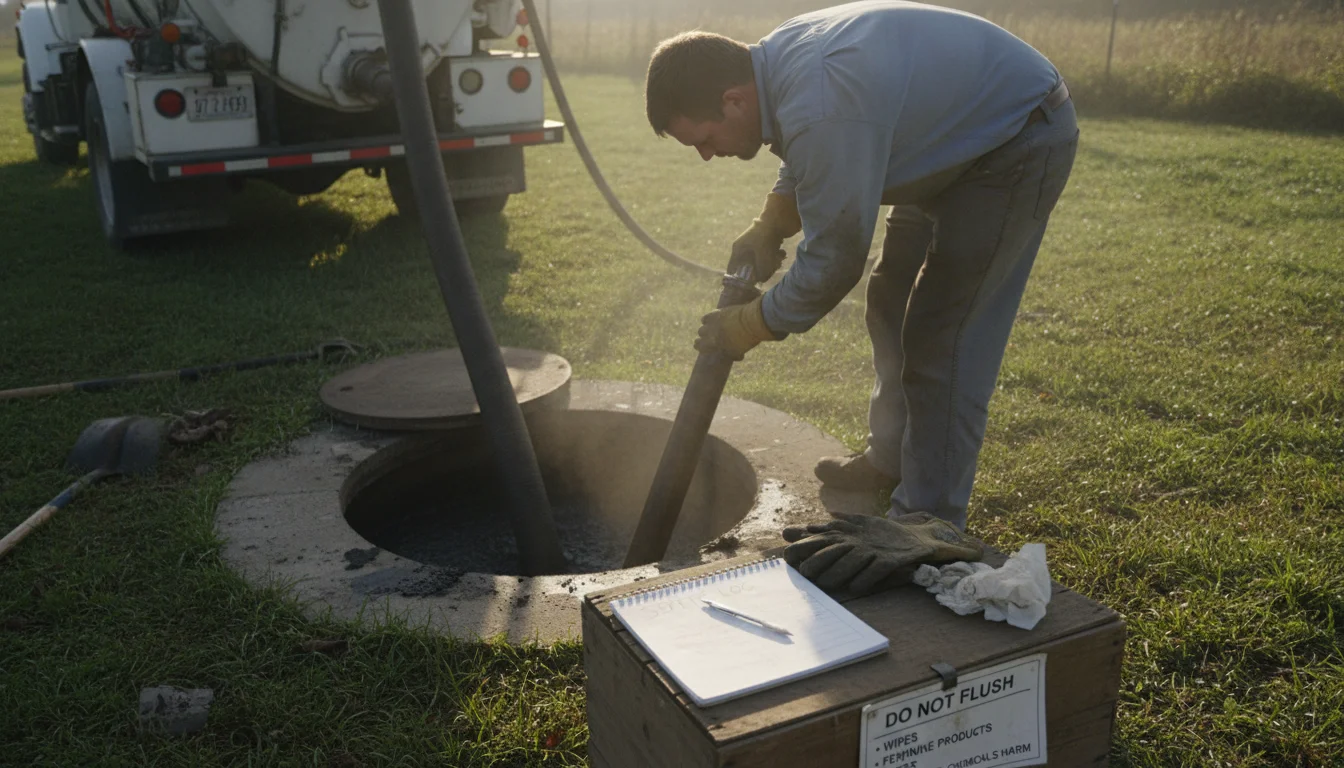
Call Septic Tank Pumping Rogers for Septic Tank Pumping if it’s been a while or if your situation matches the signs in this guide. Ask for an effluent filter cleaning and a quick look at baffles and lines. If you’re buying or selling a home, book a full Septic Inspection to document system health and note any repairs. If lines are broken or a field is compromised, Septic System Repair addresses the cause. New projects or full replacements are handled through Septic System Installation by a licensed team.
Emergency service is appropriate when sewage backs up into the home, when standing water appears over the tank or field during dry weather, or when strong odors persist indoors. Keep people and pets away from wet areas. Shut off water to fixtures if safe. Then arrange help.
For prevention, plan routine Septic Tank Pumping based on use. Many households service tanks every few years, but timing varies with household size, tank capacity, and habits. The key is to pump before sludge reaches the outlet. Keep a simple log of dates and findings. Don’t flush wipes, feminine products, or grease. When in doubt, throw it out. The EPA notes that excess solids and harsh chemicals can damage the tank’s biology and the soil treatment process (EPA overview).
Frequently Asked Questions
What are the symptoms of full septic tank?
Slow drains and gurgling fixtures, sewer odors indoors or outside, soggy or unusually lush grass above the drainfield, toilets that need multiple flushes, and any sewage backing up into tubs or floor drains. If you notice these symptoms of full septic tank, reduce water use and schedule Septic Tank Pumping with a filter cleaning.
How often should I pump my septic tank?
Pump frequency depends on tank size, number of people, and water use. Many homes schedule pumping every few years. If you notice slow drains, odors, or wet spots, book service sooner. A Septic Inspection can measure sludge and scum and set the right interval for your household.
How do I find the septic tank lid?
Many lids sit a few inches to a few feet below grade, often under a round or square riser. Look for a subtle mound or patch in the yard between the house and the drainfield. Records from past service can help. A professional can locate the tank with tools and avoid utility lines.
What should never go into a septic system?
Avoid wipes, grease, oils, paint, solvents, cat litter, coffee grounds, and large amounts of bleach. These can clog filters, upset beneficial bacteria, and harm the drainfield. Use septic-safe paper and limit garbage disposal use.
Why do I hear gurgling in sinks and tubs?
Gurgling is trapped air trying to escape. It happens when lines are partly blocked, the effluent filter is clogged, or the roof vent is obstructed. If gurgles occur with slow drains or odors, the tank may be overfull or restricted. Reduce water use and schedule Septic Tank Pumping and a filter check.
How deep should a septic tank be?
Depth varies by site, climate, and local codes. Many tanks are buried from a few inches to several feet below grade. Risers help make access easier for service. A licensed provider will verify depth, locate access points, and ensure lids and risers meet safety and code requirements in Arkansas.
Key takeaways
- Not all “full” tanks are failing—normal means full to the outlet; overfull indicates sludge or clogs.
- Top signs: slow drains, gurgles, odors, lush or soggy spots, and backups—the most common symptoms of full septic tank.
- Act quickly on backups and standing water; those are urgent health and property risks.
- First steps: reduce water, check traps, and arrange Septic Tank Pumping with filter cleaning.
- Protect the field: keep solids out, spread water use, and schedule regular Septic Inspection.
Conclusion
Septic systems are reliable when serviced on time. If drains slow, odors rise, or the yard turns soggy, your tank or drainfield needs attention. Septic Tank Pumping Rogers helps homeowners and businesses every week with inspections, pumping, and repairs so properties run smoothly. If you’re seeing the symptoms in this guide—or it’s simply been a while since your last service in Rogers—Contact us.
If you are not sure which of these you are dealing with, it is worth having someone look at it before it turns into a bigger job. Get in touch with Septic Tank Pumping Rogers today and we will tell you where you stand.