RV septic tank treatment is usually not needed when an RV tank gets enough water, receives only suitable waste, and is dumped the right way. Most products make claims about odors, waste, sensors, and clogs. Simple care often works better than chemicals, especially when an RV connects to a home septic system.
Table of Contents
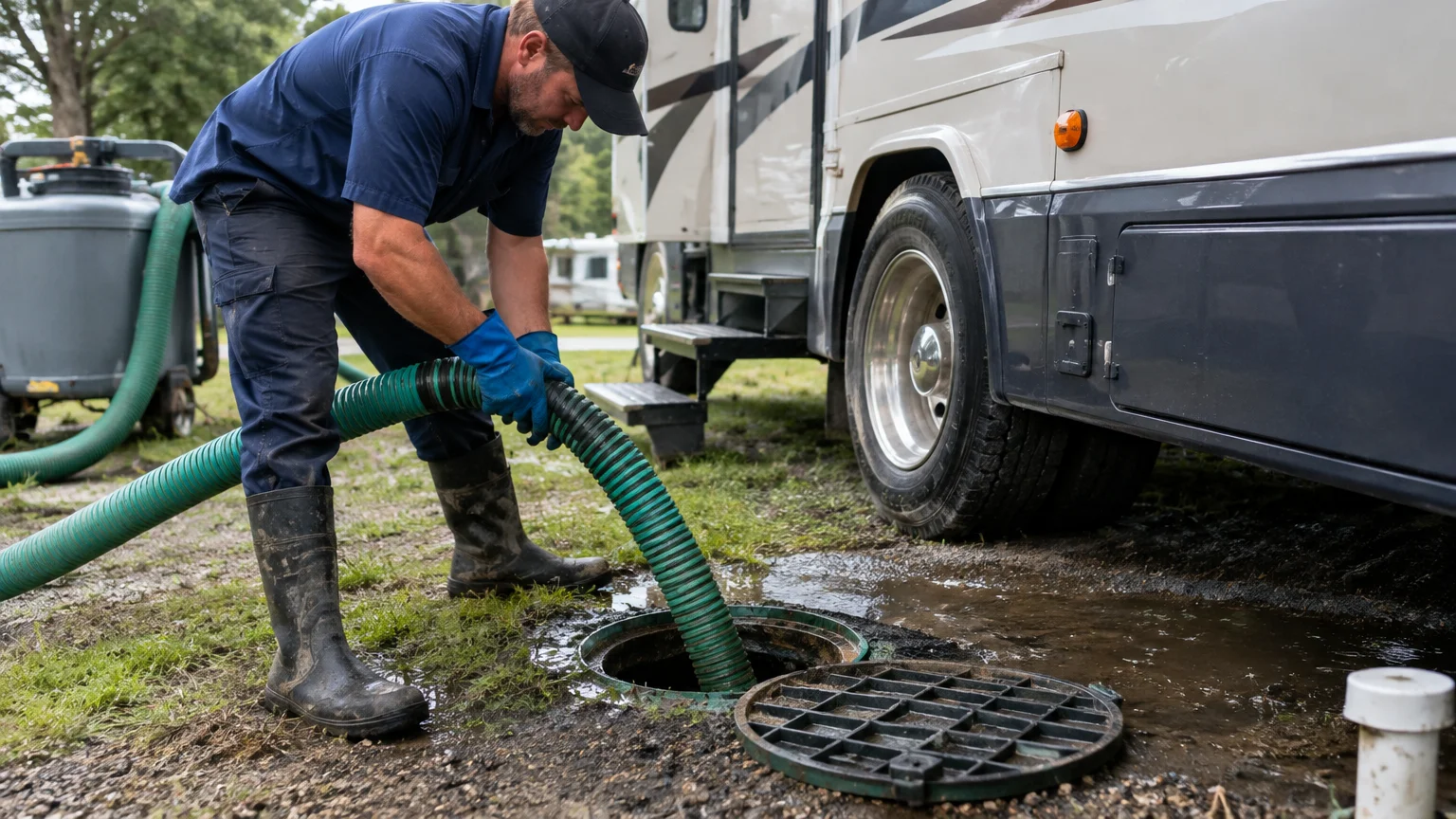
- What Does RV Septic Tank Treatment Claim to Do?
- How Does an RV Septic Tank Actually Work?
- Do RV Septic Tank Treatments Break Down Waste Better?
- Can RV Septic Tank Treatment Prevent Odors?
- Do RV Tank Treatments Help With Clogs or Tank Sensors?
- Are RV Septic Tank Treatments Safe for Septic Systems?
- What Is the Verdict on RV Septic Tank Treatment?
- What Should You Use Instead of an RV Septic Tank Treatment?
- How Should You Maintain an RV Holding Tank?
- When Should You Contact a Septic Tank Professional?
- Key Takeaways
- Frequently Asked Questions
- Conclusion
What Does RV Septic Tank Treatment Claim to Do?
RV septic tank treatment products claim to make holding-tank care easier. Labels may promise odor control, faster waste breakdown, cleaner tank walls, fewer clogs, or better sensor readings. Some products use enzymes, bacteria, soaps, scents, or other chemicals.
An RV holding tank is a short-term waste container. It is not the same as a home septic tank. Still, many people use the term rv septic tank treatment when they mean a product for a black-water tank. Knowing the difference helps RV owners choose safer care.
Common claims made by additives and treatments
The main claim is that a treatment turns waste into a thinner liquid. Some labels say it helps paper and solids break down. Odor control is another common promise. A nice scent may only cover a bad smell instead of fixing its cause.
Other products claim to clean tank sensors. Sensors can become coated with waste or paper. A chemical may loosen a small amount of residue. It cannot fix a broken sensor or remove a thick layer stuck to the tank wall.
Why RV owners consider using them
RV owners may try treatments after a bad smell, slow drain, or stuck gauge. A new owner may also think every tank needs a special additive. That idea is understandable. Yet the tank often needs better water flow and proper dumping first.
Septic Tank Pumping Rogers can help Rogers property owners understand the difference between an RV holding tank and a home septic tank. This matters when an RV connects to a home system. The wrong chemical may affect the system farther down the line.
How Does an RV Septic Tank Actually Work?
An RV holding tank stores wastewater until it can be dumped at an approved place. Water, toilet paper, and human waste collect inside. The contents leave through a valve and hose during dumping. The tank does not treat waste like a household septic system.
A septic system is a private wastewater system. It settles solids in a buried tank and sends liquid to a drainfield. A drainfield is the soil area that receives liquid for more filtering. An RV tank mainly stores waste, while a home tank supports settling and natural treatment.
The role of bacteria, solids, and liquid waste
Bacteria already live in wastewater. Some bacteria help break down organic matter under the right conditions. They need water and a suitable place to work. Strong cleaners, solvents, and some additives can upset that balance.
Solids may settle or stick inside the holding tank. Liquid waste helps move the contents through the hose. Too little water can leave thick waste behind. A dry tank may smell more and empty less completely.
How an RV holding tank differs from a household septic tank
An RV tank is emptied often. A household septic tank holds wastewater longer and separates solids, scum, and liquid. Its drainfield also depends on healthy soil and careful use. Adding an RV product to a home septic system can create a different problem than using it in a separate RV tank.
When an RV connects to a home system, avoid harsh chemicals. The household tank already has its own natural process. Septic Tank Pumping Rogers serves Rogers and nearby communities. The team can explain when RV waste should stay separate from household wastewater.
Do RV Septic Tank Treatments Break Down Waste Better?
Most rv septic tank treatment products do not replace the basic steps that help a tank empty. Waste breaks down best with enough water, proper use, and regular dumping. A treatment may change an odor or soften some material. It does not remove every solid or stop all buildup.
Results also depend on the product, waste load, time between dumps, and tank condition. A product that seems helpful in one RV may do little in another. Read claims with care. No chemical can solve every tank problem.
What happens to waste inside the tank
Waste may settle, float, or stick to the tank surface. Toilet paper can collect near sensors, corners, and the bottom. Too little water may create a thick layer. Dumping only liquid from a partly full tank can leave that layer behind.
A treatment cannot change the tank shape or correct poor dumping habits. It cannot remove a blockage in the valve, hose, or outlet. Physical cleaning may be needed when waste hardens or sensors stay coated.
Why treatment performance can vary
RV use is different from trip to trip. A family using an RV for many days creates a different waste load than someone on a short trip. Tank size, water use, paper, weather, and storage time also matter.
Treat additives as optional, not essential. Follow the label if you use one, and never mix products. Mixed chemicals can create fumes or harm parts. Do not use a treatment to hide a tank that needs cleaning or inspection.
Can RV Septic Tank Treatment Prevent Odors?
RV septic tank treatment may cover an odor for a short time, but it cannot fix every cause. Bad smells can come from low water, a dry plumbing trap, poor venting, a loose seal, or waste left behind. Finding the cause is more useful than adding more scent.
The black-water tank should normally stay closed until it is ready to dump. Leaving the valve open lets liquid drain while solids remain. That can create a thick waste layer and stronger odors. It may also make the tank harder to empty later.
What causes unpleasant holding-tank smells
Common causes include a full tank, poor ventilation, a blocked roof vent, a worn toilet seal, or waste left after dumping. A dry seal may let odors enter the RV. A vent problem can push smells through another opening.
Water helps keep waste soft and limits contact with dry tank surfaces. After dumping, add water as directed by the RV maker. Check seals and vents if odors continue.
When odors indicate a maintenance problem
A smell that remains after dumping needs attention. It may point to a valve that does not close, a cracked hose, or a blocked vent. Odors near a home connection may also mean wastewater is not moving as it should.
Strong fumes, sewage around the RV, or wastewater backing up are warning signs. Avoid skin contact and keep children and pets away. Clean the area safely before trying another chemical.
Do RV Tank Treatments Help With Clogs or Tank Sensors?
RV tank treatments may loosen a little residue, but they cannot replace physical cleaning. A clog can sit in the toilet outlet, gate valve, sewer hose, or connection. A sensor may also show a false reading because waste covers its surface.
A gauge that always says full needs more than another dose of treatment. Check the tank level, valve, wiring, and sensor system. Follow the RV maker's directions for flushing or cleaning.
Why sensors may give inaccurate readings
Many sensors touch the inside wall or measure contact through the tank. Waste, paper, grease, and mineral deposits can affect the reading. A sensor may say full after the tank is empty. It may also say empty when a connection has failed.
You can compare the gauge with normal water use and dumping. This does not repair the gauge, but it can show if the reading makes sense. Do not keep adding chemicals just because the display looks wrong.
Why treatments cannot replace physical cleaning
A stuck valve or packed outlet needs direct attention. A product poured into the toilet may not reach the blockage. Harsh chemicals may harm rubber seals, plastic parts, or the sewer hose.
If a tank will not drain, stop forcing the valve. Repeated pressure can cause a leak. A trained worker can inspect the system and choose a safe cleaning method.
Are RV Septic Tank Treatments Safe for Septic Systems?
Not every rv septic tank treatment is safe for a household septic system. Products that kill bacteria, cut grease, dissolve material, or add strong scents may affect the tank's natural biology. The safest choice is to keep questionable chemicals out of the home system.
A septic tank depends on natural microbes to help process wastewater. This process takes time. It does not make every product safe. Drain cleaners, solvents, paint, fuel, and strong disinfectants can cause larger problems than normal household wastewater.
Ingredients that may create concerns
Check the label for strong disinfectants, solvents, acids, alkalis, and chemicals made to kill microbes. A product that kills bacteria may work against the bacteria a septic system needs. A fragrance also does not prove that waste was treated.
Never mix cleaners or use a product without clear directions. When an RV connects to a home, follow septic-safe habits across the property. Local rules may also control where RV waste can be dumped.
How chemicals can affect septic-system biology
A septic tank contains many kinds of tiny living organisms. They help break down some organic waste as it settles. A large dose of a harsh chemical can disturb that process. The effect depends on the product, amount, and system condition.
A damaged or overloaded septic system cannot be fixed by an RV additive. Slow drains, wet soil, sewage odors, and backups need an inspection. More treatment may delay the right answer.
What Is the Verdict on RV Septic Tank Treatment?
The answer is simple: routine rv septic tank treatment is usually not needed. Good water use, correct dumping, safe toilet habits, and regular care do more than most additives. A product may offer limited help in one case, but it should not replace basic maintenance.
Read the label before use. Make sure the product is made for the exact tank and disposal method. A product for a portable toilet or boat system may not suit an RV tank or a household septic system.
When a treatment may offer limited help
Some owners may choose a mild product for odor control while following the label. Even then, treat it as an extra step. Do not use it to cover a leak, blocked vent, damaged seal, or tank that will not drain.
Stop using a product if it causes stronger smells, skin irritation, foaming, or a change in tank operation. Keep the container for a technician to review. The product details may help show what entered the system.
Why routine use is usually unnecessary
A holding tank can work without an additive when it receives enough water and is dumped correctly. Extra chemicals create another chance for misuse. They may affect the RV, a dump station, or a septic system connected to the RV.
A simple routine is easier to follow. Learn the tank size, watch water use, keep the valve closed until dumping, and clean the tank as the maker allows. These steps address the cause instead of covering the symptom.
What Should You Use Instead of an RV Septic Tank Treatment?
Water, safe waste habits, and regular dumping are the best first choices. An RV tank needs enough liquid to keep waste moving. Follow the RV maker's directions and keep items that do not break down out of the tank.
The same rule applies when an RV connects to a home septic system. Only suitable wastewater should enter it. No product can make a harmful item safe after it is flushed. Proper disposal outside the plumbing is the better answer.
Water, proper waste habits, and regular dumping
Use normal toilet paper in reasonable amounts. Add water when the system instructions call for it. Keep the black-water valve closed during normal use. Open it fully during dumping so the tank can empty with strong flow.
A practical checklist includes:
- Use enough water for each flush and follow the RV manual.
- Keep the black-water valve closed until the tank needs dumping.
- Dump through an approved connection or station.
- Rinse or flush the tank only with an approved method.
- Check seals, hoses, valves, and vents during routine care.
Products and materials that should never enter the tank
Grease, cooking oil, paper towels, wipes, diapers, hygiene products, cat litter, and harsh chemicals should stay out. Even items marked flushable may not break down safely in an RV. Paint, fuel, solvents, and pesticides belong in proper waste channels.
Keep cleaning products away from the toilet unless the RV maker approves them. A small amount of a suitable cleaner may be acceptable. More is not better. Strong products can damage seals and upset septic-system biology.
How Should You Maintain an RV Holding Tank?
An RV holding tank needs a steady routine, not constant chemical treatment. Owners can safely do many basic checks themselves. These include watching tank levels, checking for leaks, and looking over the sewer hose. Stop when sewage exposure, a stuck valve, or a hidden blockage seems likely.
Maintenance should follow the RV maker's instructions. Different tanks and sensor systems may need different cleaning methods. Do not force a valve, climb onto a roof without safe equipment, or open a fitting while the tank may hold pressure.
A practical maintenance routine
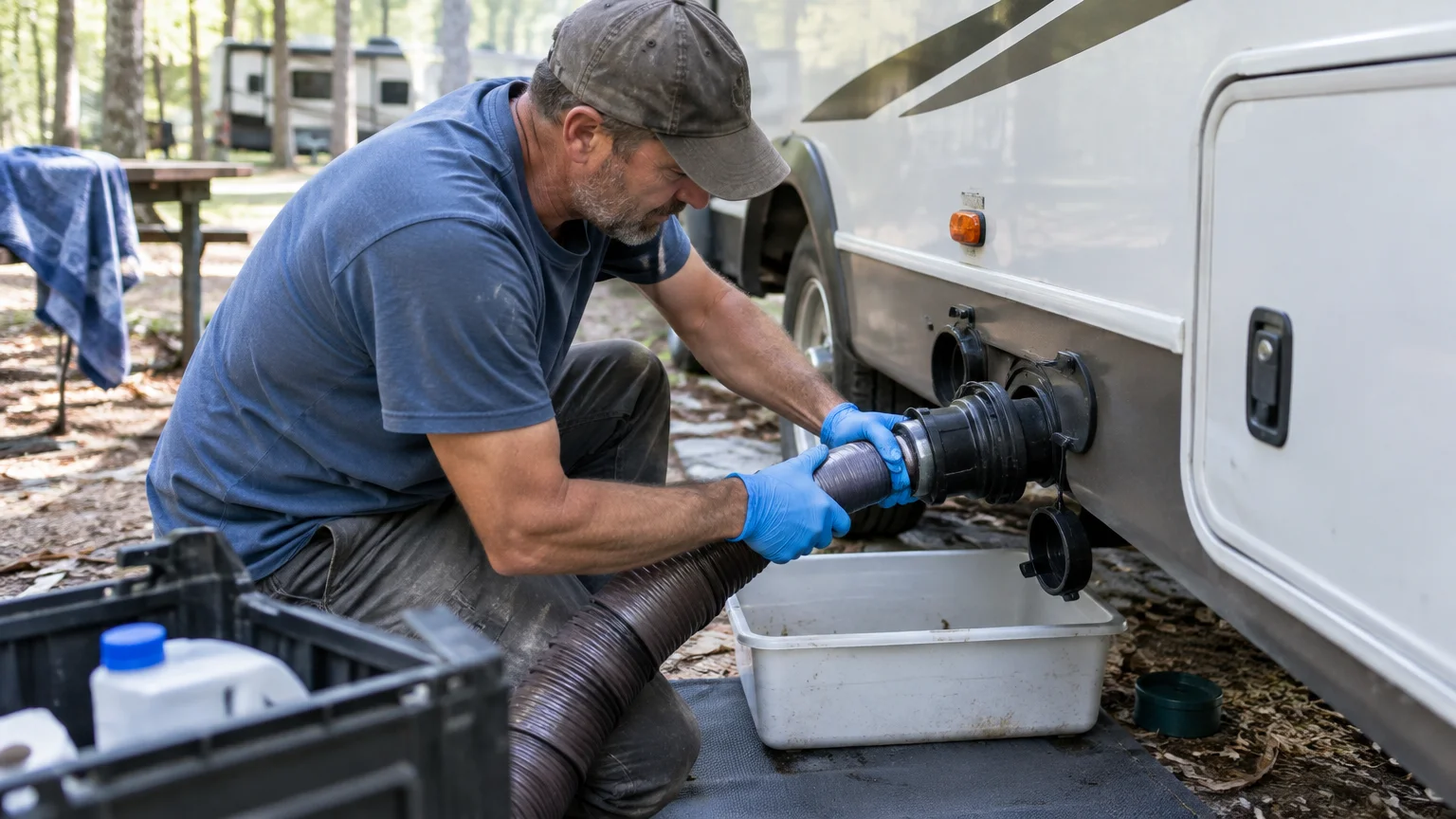
Start by checking the toilet seal, water level, vent, and hose connection. During a trip, watch for slow drainage, odd smells, or a gauge that changes in an odd way. These clues may come before a full blockage.
After dumping, close the valve and use the approved rinse method. Do not leave the tank full during long storage unless the maker says to do so. Store hoses so wastewater cannot touch clean water equipment.
Follow these steps:
- Confirm that the dump connection is secure.
- Open the correct valve fully during dumping.
- Watch until the main flow stops.
- Rinse only with an approved method.
- Check for leaks before storing the hose.
- Record odd smells, slow flow, or false readings.
Signs the tank needs professional attention
Professional help may be needed when the tank will not empty, the valve is stuck, or sewage appears outside the system. A repeated full reading may point to a sensor or buildup problem. Leaks near a home connection need prompt care because they may affect soil and plumbing.
A property owner should also act when drains back up, wet spots appear near a septic area, or sewage odors remain after normal dumping. These signs may involve the RV, the home septic tank, or both.
When Should You Contact a Septic Tank Professional?
A septic tank professional should inspect the system when pumping, a blockage, a leak, or a backup may be involved. The right service depends on where the problem is. An RV tank may need cleaning or valve repair. A household tank may need septic pumping.
Professionals can tell whether the issue is inside the RV or farther down the line. They can also protect the property from spills and unsafe waste handling. This matters when an RV uses a home septic system or sits near a drainfield.
Problems that require inspection or pumping
Contact a qualified professional for sewage backups, slow drains across the property, standing wastewater, broken valves, or strong odors that continue. A tank that cannot empty should not be attacked with random chemicals or tools.
A professional may inspect the tank, outlet, inlet, baffles, lines, vents, and nearby soil. They can explain whether the problem needs pumping, cleaning, repair, or another service. The plan should depend on the condition found during inspection.
How professional service protects the property and system
Proper pumping removes settled solids before they move toward the drainfield. Careful inspection can find cracks, damaged covers, blocked lines, and unsafe connections. Early action may help keep wastewater away from the yard, home, and nearby water.
Septic Tank Pumping Rogers helps property owners make informed septic choices throughout Rogers and the main area. Service reaches Downtown Rogers, Bentonville, Lowell, Cave Springs, Pea Ridge, and nearby communities. The team can review RV waste, household tanks, septic pumping, maintenance, and urgent problems. Contact us to discuss the issue and arrange the right next step.
Key Takeaways
- Most RV septic tank treatment products are optional, not essential.
- Water, proper dumping, and safe waste habits support better tank care.
- Odors and false sensor readings often point to a maintenance issue.
- Harsh chemicals may harm RV parts or upset septic-system biology.
- Backups, leaks, blocked valves, and sewage odors need professional attention.
Frequently Asked Questions
Is RV septic tank treatment necessary?
Usually, no. An RV holding tank can work well with enough water, correct dumping, and safe waste habits. Some owners use a mild product for odor control. It should not replace maintenance. Check the label first, especially when the RV connects to a home septic system.
Can an RV treatment break down toilet paper?
It may soften some paper or residue, but results vary. Tank size, water use, paper type, and storage time all affect the result. A treatment cannot remove a hard blockage or clean a heavily coated sensor. Proper water use and complete dumping remain more dependable.
Why does an RV tank smell after it has been dumped?
A smell may come from waste left in the tank, low water, a dry toilet seal, or a blocked vent. A loose valve or hose may also let odors escape. Check these parts before adding more treatment. Continued sewage odors need inspection.
Can RV chemicals damage a home septic system?
Some chemicals can disturb the natural biology in a household septic tank. Strong disinfectants, solvents, acids, and bacteria-killing products may create concern. Keep harmful materials out of both systems. Follow product directions and septic-safe waste habits.
When does an RV holding tank need professional help?
Professional help is suitable when the tank will not drain, a valve will not move, sewage leaks, or odors continue after normal care. A full reading that never changes may also need inspection. A technician can find whether the issue involves the RV, the connection, or the home septic system.
Conclusion
RV septic tank treatment products may sound useful, but they cannot replace water, proper dumping, or safe waste habits. Most owners can handle routine checks and basic upkeep themselves. When a tank backs up, leaks, smells strongly, or will not empty, professional inspection is safer for the RV and property.
If you are unsure what you are dealing with, have the system checked before the problem grows. Get in touch with Septic Tank Pumping Rogers through Contact us today so the next step is clear.