The average price to pump a septic tank depends on the tank, site, system, and work needed. A simple visit may cost less than a job with buried lids, long hose runs, filters, pumps, or extra waste handling. Compare complete quotes that match your property and service needs.
Septic pumping can feel stressful when drains slow, odors appear, or the tank seems full. Clear details can make the next step easier. The final quote should reflect the system, property access, and work required.
Septic Tank Pumping Rogers helps property owners understand septic service choices. The goal is not to guess at one price. It is to learn what shapes the quote and when service should be planned.
Table of Contents
- What affects the average price to pump a septic tank?
- How does septic tank size affect pumping cost?
- How does access affect the cost to pump a septic tank?
- How does septic system type change the pumping price?
- How does location affect septic tank pumping prices?
- What should a septic tank pumping quote include?
- When should you request a septic tank pumping estimate?
What affects the average price to pump a septic tank?
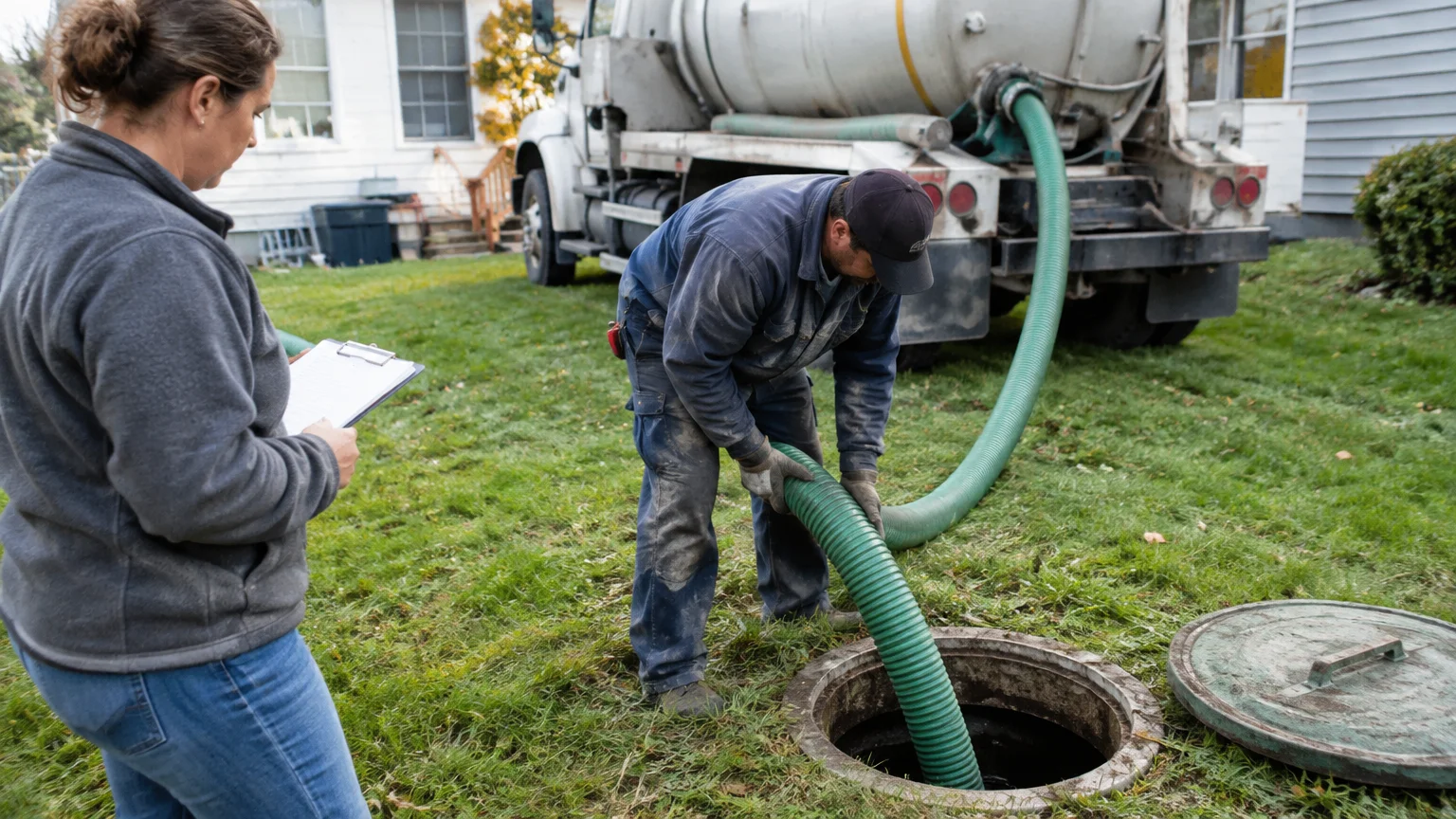
The main cost factors are tank size, location, access, system design, travel, disposal, and included work. A routine visit may be simple. A difficult job may need digging, extra hose, special tools, or work near other system parts.
The quote can also change when the tank is hard to find. Some owners know where the access lid is. Others need help finding a buried tank or locating a septic tank lid. Records, old plans, cleanouts, and visible yard changes may help. Without good records, the crew may need more time.
Which service details affect cost most?
The biggest factors are often the amount removed and the time needed to reach the tank. A large tank may hold more material. A distant tank may need a longer hose. A buried lid may need careful digging before pumping starts.
Extra tasks can also change the quote. These may include opening several lids, checking a filter, clearing an obstruction, or inspecting a pump chamber. Septic tank pumping does not always include cleaning, testing, or fixing every system part. Ask what the visit covers before scheduling.
Why can two properties receive different quotes?
Two homes may have different tank sizes, layouts, soil, driveways, and system types. One tank may sit beside a clear driveway. Another may be under grass, behind a gate, or far from the truck. Both homes may need septic tank pump services, but the work time may differ.
Septic Tank Pumping Rogers can help Rogers property owners identify details that belong in a quote. A clear scope makes it easier to compare similar services. It also helps prevent a low first number from leaving out needed work.
How does septic tank size affect pumping cost?
Tank size affects cost because it changes the amount of material removed, moved, and handled. Larger tanks can take more time to pump. The crew also needs the right equipment and a plan for waste disposal.
Tank size is not always clear by looking at the lid. A manufacturer mark may not show the tank capacity. Property records, installation papers, inspection reports, and old service notes can help. When records are missing, a technician may need to inspect the tank and system layout.
What tank sizes are commonly serviced?
Homes may have different tank capacities based on home size, age, local rules, and system design. Small homes do not always have small tanks. Larger homes do not always have the largest tanks.
The safest step is to confirm the tank size before service. Share any records you have and say whether the tank has one lid or several. Also mention a pump chamber, lift station, or other treatment unit connected to the tank.
Why does tank capacity change the work needed?
A tank holds liquid, sludge, and floating material. Sludge is the heavy solid layer that settles at the bottom. Scum is the lighter layer that floats on top. Pumping removes these layers so the tank can keep receiving wastewater.
A larger or fuller tank may need more pumping time. The truck may also handle more waste before leaving. Ask whether the quote covers basic pumping only or related work, such as opening access points and checking inlet or outlet areas.
How does access affect the cost to pump a septic tank?
Access affects cost when the truck, hose, or workers cannot reach the tank easily. A clear driveway and visible lids usually make the visit simpler. A narrow path, locked gate, steep slope, soft ground, or long hose route can add time and labor.
Owners can help by clearing items near the tank, unlocking gates, securing pets, and sharing directions. Do not drive heavy equipment over a suspected tank or drainfield. Soil can shift, and buried system parts can be damaged.
What property conditions make access harder?
Common problems include buried lids, thick plants, fences, parked cars, wet ground, retaining walls, and little driveway space. A tank may also sit under a deck, patio, shed, or other structure. These conditions may slow the work or require another plan.
Explain these conditions when requesting a quote. Photos can show the driveway, gate, tank area, and likely hose route. A clear description helps the crew decide if added equipment or special care is needed.
When might extra labor or equipment be needed?
Extra labor may be needed when lids are buried, damaged, heavy, or hard to open. It may also be needed when the truck cannot park near the tank. Long hose runs, steep ground, and tight spaces can change the work plan.
Ask if digging, lid access, hose distance, filter cleaning, or pump checks are included. The service team should explain added work before it starts when possible. This keeps the scope clear and helps avoid confusion during the visit.
How does septic system type change the pumping price?
System type can change the service because systems have different parts and care needs. A conventional system may use a septic tank and drainfield. An alternative system may use pumps, controls, filters, air, or treatment chambers.
An aerobic septic system uses oxygen and added treatment steps to process wastewater. These systems may need more than tank pumping. A visit may also include checks of air pumps, diffusers, alarms, filters, or treatment equipment.
Do conventional and alternative systems need different service?
Yes. A conventional system may focus on pumping the tank and checking basic access points. An alternative system may need attention to added chambers, electrical controls, pumps, or treatment parts.
Share the system type if you know it. Also mention alarms, recent repairs, odd sounds, or changes in drain flow. Septic system pumping should match the system design instead of treating every tank the same way.
Can filters, pumps, or treatment parts affect the quote?
They can affect the quote when they need inspection, cleaning, testing, or repair. A filter may be blocked. A pump may not run. An alarm may point to a problem in the pump chamber or control panel. These issues may need work beyond basic pumping.
Pumping may help a full tank, but it does not fix every failure. If wastewater backs up after service, the owner may need septic system repair or a deeper inspection. Ask what is included so pumping and repair work stay separate.
How does location affect septic tank pumping prices?
Location affects pricing through travel time, local operating costs, disposal rules, road conditions, and site access. A property far from a disposal site may need more travel. A home in a busy area may have tighter access than a rural property.
Local conditions can vary within the same service region. Homes in Rogers may have different soil, lot sizes, road layouts, and system ages. Properties across the main Rogers area—from Downtown Rogers to Bentonville, Lowell, Cave Springs, Pea Ridge, and nearby communities—may need different hose lengths or travel plans. These details help explain why quotes are based on the job.
Why do regional operating costs affect pricing?
Pumping companies must account for truck use, labor, fuel, waste transport, disposal, equipment care, and local business rules. These costs can differ by area. Disposal access and travel distance may matter as much as the tank itself.
Ask which local factors shape the quote. Confirm whether travel, disposal, access work, and standard pumping are included. The answer should be clear enough to compare one complete service with another.
What local conditions should property owners ask about?
Ask about road access, truck parking, hose distance, local disposal rules, and permit or inspection needs. Also ask if soil or weather may affect access. Wet ground can make a visit harder, while frozen or firm ground may affect digging.
A local septic tank pump services provider may know common system layouts in the area. Septic Tank Pumping Rogers can explain what information helps prepare for service in nearby communities. That local knowledge can make planning easier without promising one price for every property.
What should a septic tank pumping quote include?
A useful quote should describe the work, access plan, waste handling, and limits. It should say whether service includes pumping the tank, opening lids, cleaning filters, checking basic parts, and moving the removed material.
The quote should also explain what is not included. Repairs, digging, lid replacement, drainfield work, emergency pumping, and pump replacement may be separate services. Clear terms help owners understand the full scope before scheduling.
Which services and disposal costs should be listed?
The quote should identify the tank or chamber being serviced and explain how the crew will reach it. It should say whether the price includes normal pumping, waste disposal, hose setup, lid access, and cleanup around the work area.
If the property has an aerobic system, the quote should say whether filters, air pumps, alarms, or treatment chambers will be checked. If the tank is buried, it should say whether access work is included. These details make it easier to compare septic system pumping services fairly.
What questions help compare quotes fairly?
Property owners can ask these questions:
- Which tank or chamber will be pumped?
- Does the quote include disposal and normal cleanup?
- Are lids, digging, hose distance, or difficult access included?
- Are filters, pumps, alarms, or treatment parts checked?
- What work would cost extra if a problem is found?
A low-looking quote may not cover the same work as a complete quote. Compare the scope, not only the number. Written details help with rentals, sales, business sites, and family decisions.
When should you request a septic tank pumping estimate?
Request an estimate before the tank becomes an emergency. Planning helps when records are missing, the tank has not been serviced for a long time, or the property is being bought, sold, rented, or changed.
The question of when to pump a septic tank often starts with warning signs. Slow drains, sewage odors, wet ground near the drainfield, gurgling pipes, or wastewater backups can signal trouble. Do not ignore these signs, since a full tank or system failure can affect the home and nearby soil.
What signs mean service should be scheduled soon?
Consider service soon when drains slow across the home, toilets flush poorly, or wastewater appears near the tank or drainfield. Bad odors can also point to a full tank, blocked line, or other system concern.
Limit heavy water use if wastewater backs up. Keep children and pets away from sewage or wet areas. Emergency conditions may need faster help than routine maintenance, especially when wastewater enters the home.
How can inspections, purchases, and maintenance affect timing?
A home inspection or property purchase may show that the tank needs pumping or that its condition is unknown. Buyers, sellers, landlords, and investors should ask for service records and confirm the tank location. A septic inspection may also check parts that pumping alone does not assess.
Routine planning can prevent rushed choices. Keep records of service dates, tank location, system type, repairs, and unusual symptoms. When timing is unclear, a qualified local service can explain the next practical step.
Key takeaways
- Tank size, access, system type, travel, and disposal affect the quote.
- A buried lid or long hose route may add time and labor.
- Alternative systems may need checks beyond basic tank pumping.
- A complete quote should list included work and possible extra services.
- Warning signs and property transactions are good reasons to ask for an estimate.
Frequently Asked Questions
How often should a septic tank be pumped?
The right schedule depends on tank size, household use, water habits, and solids buildup. Follow service records and ask a qualified professional to assess the system. Homes with more people or higher water use may need attention sooner than lightly used homes. Local conditions also matter.
Can a septic tank be pumped if the lid is buried?
Yes, but the lid must be found and opened safely first. Buried access may require careful digging, which can change the work time and quote. Do not guess at the location or use heavy equipment over the system. Records, markers, and old inspection notes may help.
Does pumping fix a septic system backup?
Pumping may help when a tank is full, but it does not fix every backup. A blocked line, failed pump, damaged baffle, or drainfield problem may remain. If slow drains or sewage return after pumping, request another inspection and ask about septic system repair.
What should a homeowner do before the pumping visit?
Clear vehicles and stored items from the access area. Unlock gates, secure pets, and gather system records. Point out odors, slow drains, alarms, or wet ground. These details help the crew plan the visit and understand the system history.
Can a quote be given without seeing the property?
A preliminary estimate may be possible when you provide the tank size, location, access details, system type, and service history. The final price may depend on conditions found at the property. A clear quote should explain what information it uses and what work falls outside its scope.
Conclusion
The average price to pump a septic tank depends on the job, not one standard amount. Tank size, access, system type, travel, disposal, and added work all matter. Property owners can make better choices by gathering records, describing the site, and comparing complete quotes.
Contact us to discuss septic tank pumping for a property in Rogers and learn which service details should be reviewed first.